
A ₹60 Crore UP–IOCL MoU Signals the Rise of Distributed Sports Infrastructure in India
The UP–IOCL MoU for a ₹60 crore CSR contribution marks a strategic push toward decentralised sports infrastructure in India.
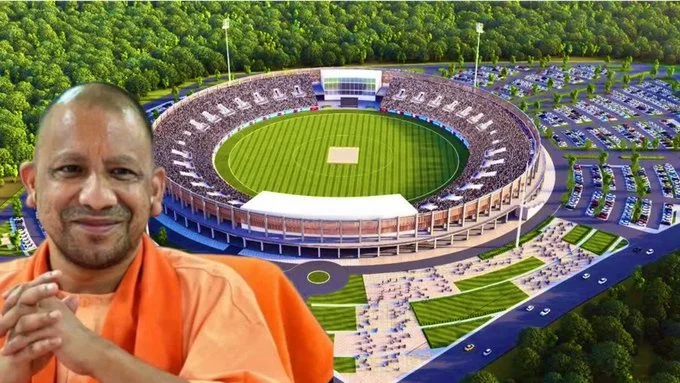
If infrastructure shapes sporting trajectories, the Uttar Pradesh–IOCL MoU could emerge as a quiet but consequential marker in India’s shifting sports geography. The Uttar Pradesh government has partnered with Indian Oil Corporation Limited (IOCL) to develop an international cricket stadium in Gorakhpur, backed by ₹60 crore in CSR funding. The broader project outlay is expected to reach roughly ₹339 crore, with additional contributions from other public sector energy players. Envisioned as a modern, multi-use venue with integrated training infrastructure, the stadium is targeted for completion by 2027. Beyond venue creation, the project reflects the growing role of CSR-led public–private partnerships in accelerating sports infrastructure delivery while easing fiscal pressure on states.
Infrastructure Depth: A Mid-Capacity Model with Multi-Use Logic
From an infrastructure lens, the proposed stadium aligns with India’s emerging mid-capacity venue category — facilities designed in the 25,000–40,000 seating band that prioritise utilisation over spectacle. With an estimated 30,000-seat capacity, modern pitches, practice arenas, and floodlit playing conditions, the venue is positioned as a multi-event asset capable of hosting domestic tournaments, franchise fixtures, and age-group competitions. Strategically located with strong rail and air connectivity, the project reflects contemporary planning logic: regional accessibility, year-round utilisation, and ecosystem integration rather than mega-event exclusivity.
Expanding Cricket’s Geography Beyond Metros
The Gorakhpur project reflects a broader decentralisation trend in Indian sport — the steady expansion of elite infrastructure beyond metros. Eastern Uttar Pradesh has long lacked Tier-1 sporting assets despite its population density. By anchoring an international-standard stadium in the region, the state is redistributing access to quality infrastructure and widening the base of India’s cricket pyramid. As Chief Minister Yogi Adityanath noted, the aim is to ensure that “every young talent… gets equal opportunities to excel,” positioning the project as both a regional development lever and a talent-mobility catalyst.
Written by

Anushka Raghav is an Editor at Sportscape Magazine, where she covers the intersection of sports business, governance, policy, technology, and infrastructure. Having written over 200 news stories and editorial features, she focuses on the ideas, institutions,…