
African referee denied entry inside USA days before FIFA World Cup Commences; Sparks Fresh Controversy Surrounding the Tournament
Just days before the 2026 World Cup, an accredited Somali referee was barred from entering the United States, reigniting fierce debates over how America's rigid immigration policies are clashing with global football
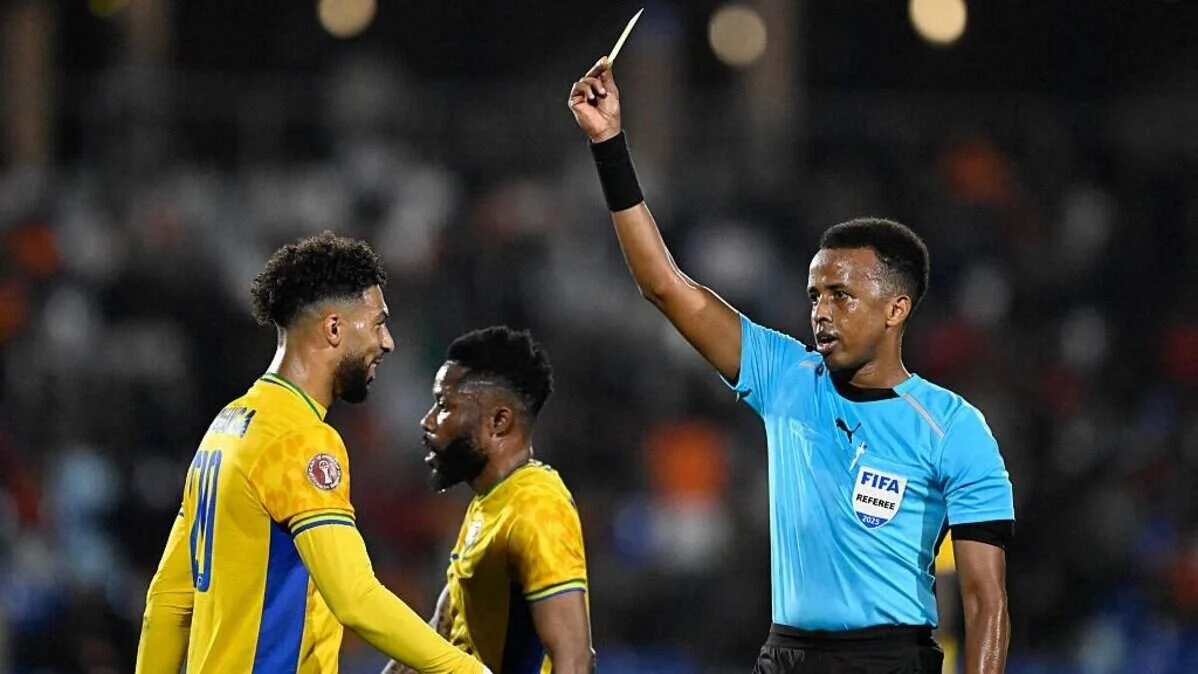
With the clock ticking down to the FIFA World Cup 2026, it is increasingly becoming clear to the Americans that hosting the world demands much more than just high-budget stadiums and marketing blitzes. Rather than making the news for all its sporting promise, the host nation is suddenly facing a political crisis.
The alarming tale of the African ref not being permitted entry into USA soil soil has created serious geopolitical undertones surrounding the World Cup, highlighting the clash of ideology between America's stringent immigration laws and the welcoming world of sports.
The Omar Artan Incident
In the middle of this rapidly escalating controversy stands Omar Artan, a highly renowned match official from Somalia. Although he had FIFA-level accreditation, had all the relevant papers for the tournament, and was appointed by FIFA for officiating at the highest level of football, Artan was denied entry into the country.
Despite the Department of Homeland Security maintaining silence on all aspects of individual immigration, the image is highly damaging. Refusing entry into the country to an official chosen by FIFA who comes from a country with restrictions on traveling to the USA is not a good look. This is especially bad for a tournament whose slogan is one of unity and global connections.
A Pattern of Geopolitical Friction
Indeed, to those who keep a close eye on the logistics buildup for the tournament, the Artan case will appear to be just another episode in a long line of diplomatic embarrassments. Ever since the inception of the idea, the relationship between American foreign policy and the soccer championship had been tense.
During the preliminary stage of preparations, there had already been heated public discussions related to the treatment of the national team from Iran. With the current diplomatic tensions between Iran and the US at an all-time high, it became widely known that the Iranian delegation was severely pressured, almost threatened, to establish a base camp anywhere but in America due to problems with visas. It is not hard to see how the case of the Iranian base camp and the banning of a referee from Somalia form a pattern when considered alongside each other.
Fortress America vs. The Beautiful Game
Such escalation of the crisis brings us to an inherent contradiction. On one hand, the USA was very aggressive in gaining the right to host this tournament because it expected to earn up to $9 billion. On the other hand, it appears reluctant to loosen its policy of a "Fortress America" for the period during which the championship takes place. One cannot open the door for the entire world while simultaneously restricting entry of certain people who carry certain passports.
In order to uphold its main competition, FIFA needs to assure all of its participants that they will not be expelled from the country unexpectedly. With the opening ceremony being just around the corner, America faces another tough lesson: organizing a worldwide championship means inviting the whole world.
Sportscape believes that sports should be a place food global inclusion and not a platform for geopolitical dominance and FIFA should look into these matters more seriously.
Written by