
India’s Infrastructural Haul Bears Fruit As India Wins T20 World Cup 2026 Against New Zealand Second Time In A Row
The win highlights how sustained investment in sports infrastructure has strengthened India’s cricketing ecosystem.
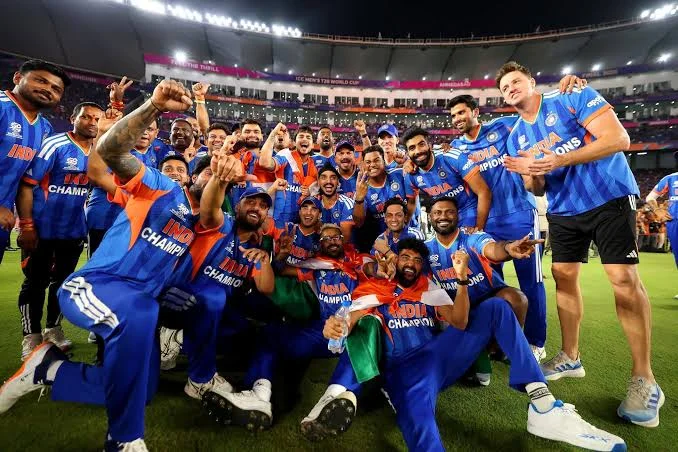
How many countries in the world have the potential to stand 2nd at the podium of the World Obesity Report while also bagging one of the world's most prestigious titles of being the World Cup winner, within a span of a few days? Only India has the valour to pull this off, continuing its winning streak as it defeats New Zealand in the grand finale with a whopping 96 runs.
The T20 World Cup final was held at the Narendra Modi Stadium between India and New Zealand. This was India's third victory, spread across 2007, 2024 and 2026. The win has come as a fruition of the recent infrastructural haul that has been undertaken in the country to boost its athletic participation.
Significant role played by the country’s stadium network
A significant contribution to the win has been made by the state-of-the-art stadium network governed across the country under the Board of Control for Cricket in India. Venues like the Narendra Modi Stadium , staged as the world's largest cricket stadium with a seating capacity of 130000, highlight India's marvellous potential to host international events of this scale.
Several stadiums were refurbished for the global tournament, consisting of expanded seating capacities, enhanced drainage systems, hybrid pitches and upgraded floodlights. Stadiums like the Delhi-based Arun Jaitley Stadium and the M.A. Chidambaram Stadium in Chennai has undergone dedicated facelifts in attaining compliance with international standards.
On similar lines, regional sporting facilities were also refurbished, like the Ranji Trophy venues, sports science centres and indoor practice academies. Government initiatives like the Sports Authority of India training centres and the Khelo India initiative have further strengthened the talent pipeline.
Written by