
India's Sports Infrastructure Continues to Feel Pressure as Gulf War Persists
India's Sports Infrastructure industry continues to face the impact created by the ongoing Gulf War.
With each passing day, industries across different sectors are bearing the impact of the Gulf War that began back in February this year, disrupting global trade. Supply of petroleum products have been the worst victims of the war implications, leading to a rise in oil and gas prices worldwide. Dependence of major industries on these materials has resulted in adverse impact across sectors, highlighting the interconnectivity of global markets.
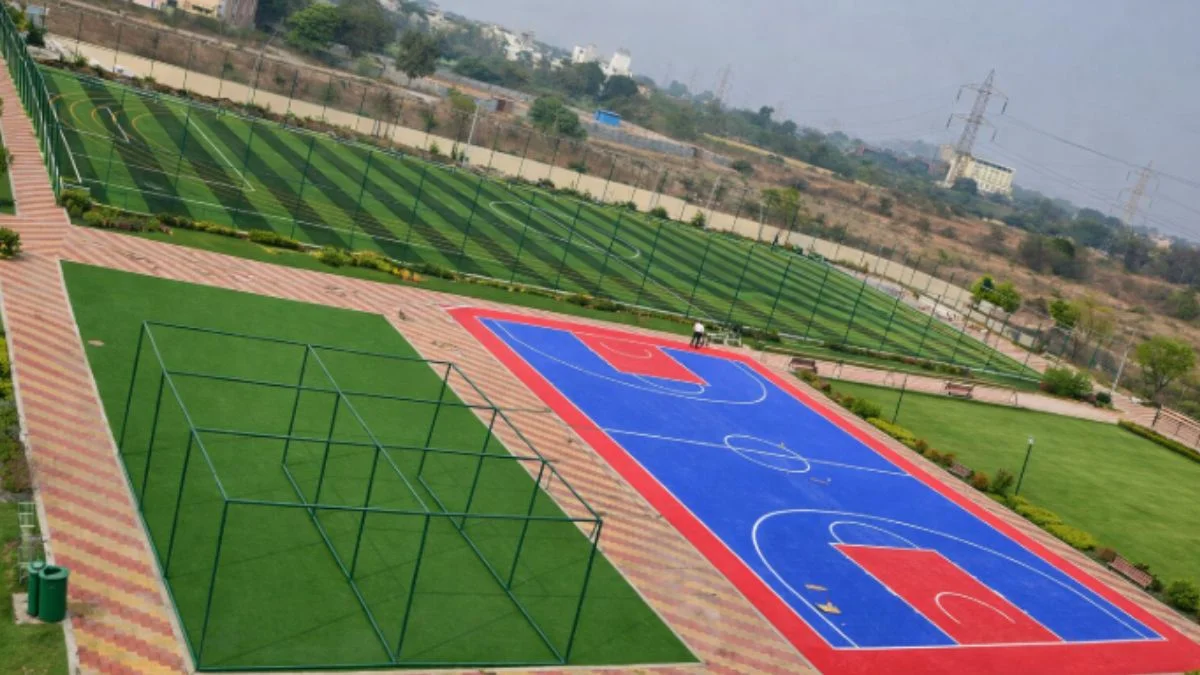
The Indian Sports Infrastructure Industry is among the most affected industries. Valued at over USD 2.5 billon (Rs 23,000 crore), the infrastructure sector has witnessed a steep increase in the cost of raw materials used for building athletic tracks, artificial turf, and sports flooring. A notable surge of 15-20% in prices has not increased project costs but has also slowed down work in several cases.
While talking to PTI, Nasir Ali, founder and CEO of Gallant Sports & Infra, reflected that the global situation is posing challenges for infrastructure companies like his. “Most of the materials used in sports infrastructure are imported and linked to petroleum products, making them vulnerable to global price changes”, he further explained. Many contracts were signed before the war began; however, due to current global uncertainty, companies are facing difficulties in adjusting prices, thereby affecting their margins and project timelines.
Despite current challenges, Nasir Ali’s Gallant Sports & Infra continues to show resilience in their ongoing government-backed projects. Some of the projects includes initiatives under the Khelo India Scheme, a Sports Authority of India project in Mizoram and an athletics track for the Indian Navy. The Infra company is also nearing the completion of a mega sports facility at Manipal Academy of Higher Education, which will incorporate multiple sports facilities within one campus.
Long-term challenges continue to persist in India’s sports infrastructure industry. Gaps in maintenance, limited local manufacturing, and the absence of world-class facilities in many parts of the country hold back India’s sports infrastructure development. While demands for improved facilities and infrastructure are rapidly growing, addressing these issues will determine the sector’s future.
Sportscape believes that current war vulnerabilities push the need for India to become more self-reliant, especially in the sports infrastructure industry. Availability of stronger local manufacturing and better planning can reduce the wrath faced by industries in times of global tension. As of now, India’s sports infrastructure industry should focus on building a system that is not just growing but also becoming more stable and resilient.
Written by