
Para Armwrestling Inches Closer to Paralympic History After Achieving Landmark Brisbane 2032 Requirement
Para Armwrestling athlete competing at a table as the sport meets IPC criteria for Brisbane 2032 Paralympics
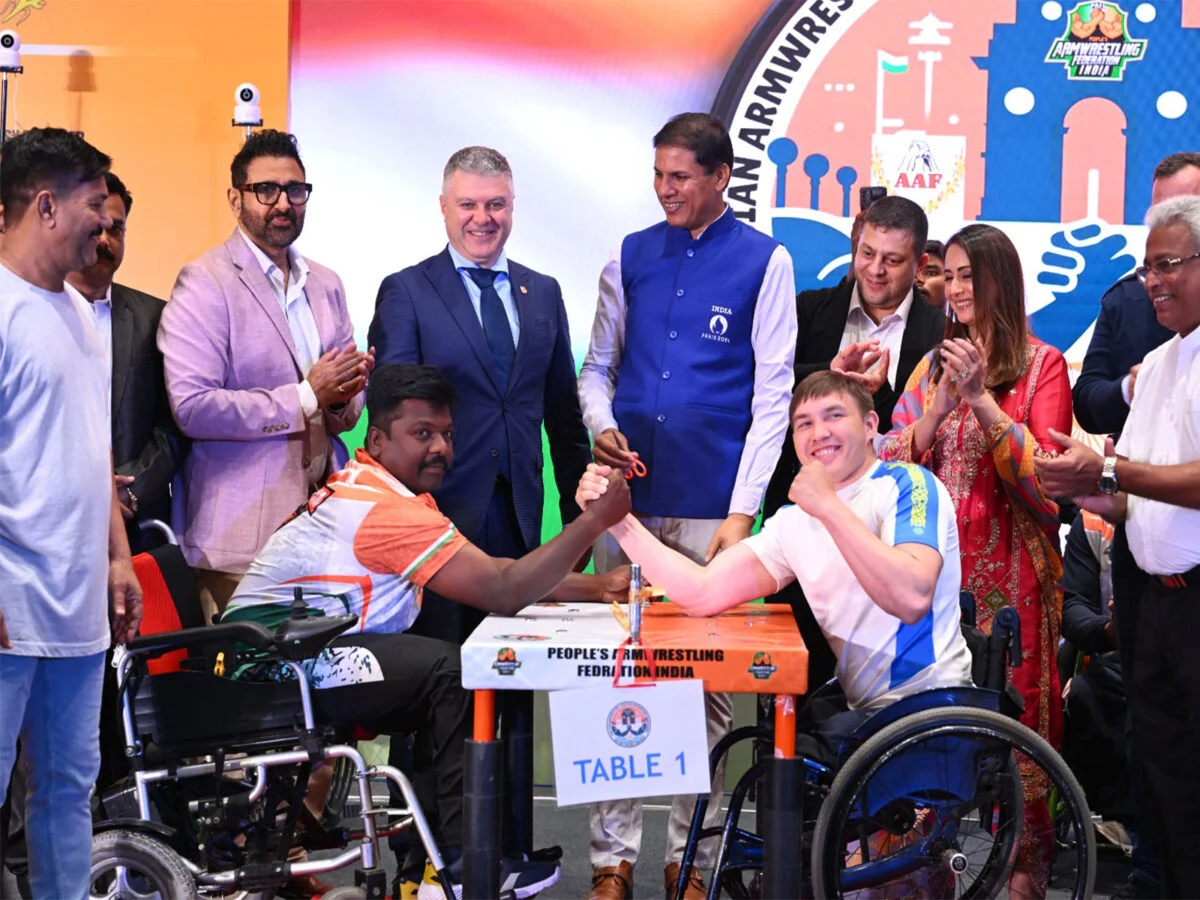
Para Armwrestling has officially cleared one of the toughest checkboxes the International Paralympic Committee puts in front of any sport seeking inclusion to global reach. The IPC confirmed, after the World Armwrestling Federation submitted fresh participant data, that the sport now has active involvement from more than 32 countries on a regular basis. That's the minimum threshold. Para Armwrestling has crossed it. The People's Armwrestling Federation India and the Pro Panja League broke the news here in India.
The IPC runs a structured, multi-stage evaluation process, and global participation is only one part of it. Sports also need proper classification systems for disability categories, clean anti-doping records, sound governance, and eventually a formal vote. Clearing the 32-country participation bar doesn't guarantee a spot at Brisbane. But without it, the conversation doesn't even begin. So what WAF has done is push that data, getting the confirmation that matters. It opens a door that was previously shut.
PAFI president Preeti Jhangiani, who also holds a vice-presidential position at the Asian Armwrestling Federation, made a deliberate decision early on that the Para athletes wouldn't be an afterthought. The Pro Panja League, which co-founder Parvinn Dabass built into a serious competitive platform, carved out dedicated Para categories in every single season. Not as a gesture. As a fixture.
That mattered on the ground. Athletes like Chandan Kumar Behera, Butta Singh, Srinivas BV, Mohan Sharma, and Arvind Rajak got into the competition. Real competition. National stage visibility. That kind of exposure doesn't just build skill as it builds the kind of documented participation data that international bodies actually look at. Dabass didn't mince words about what comes next. India, he said, will be in medal contention if Para Armwrestling reaches Brisbane 2032. Given the talent already visible through the league circuit, that reads less like confidence and more like a reasonable assessment.
Furthermore, Para Armwrestling still needs to clear the remaining stages of IPC evaluation before any official inclusion decision is made. Classification frameworks need to be airtight. Governance structures have to hold up to scrutiny. And ultimately, a formal IPC decision has to come through. None of that is guaranteed. But the window is real. Brisbane 2032 has been positioned as a Games open to newer disciplines, with both the Australian organising committee and the IPC signalling appetite for broader inclusion. That timing six years out, with the participation threshold now cleared gives Para Armwrestling a genuine shot.
Arm wrestling was never supposed to be here. It grew up at the edges roadside bets, village competitions, the kind of sport that serious athletic institutions didn't bother acknowledging. For a long time, that's exactly where it stayed. What PAFI and the Pro Panja League did was refuse to accept that framing. They built a league. They put Para athletes on stage. They pushed WAF to file the data. Step by step, unglamorous work.
Sporstcape feels that the IPC's confirmation doesn't rewrite history yet. But for athletes who've been competing in relative obscurity, hoping someone in a suit somewhere would eventually notice, this is the first real sign that someone did. Brisbane 2032 is the goal. The work between now and then will determine whether it stays a goal or becomes a reality.
Written by