
The Rise of Power Sports in India: Speed, Strength, and a New Sporting Identity
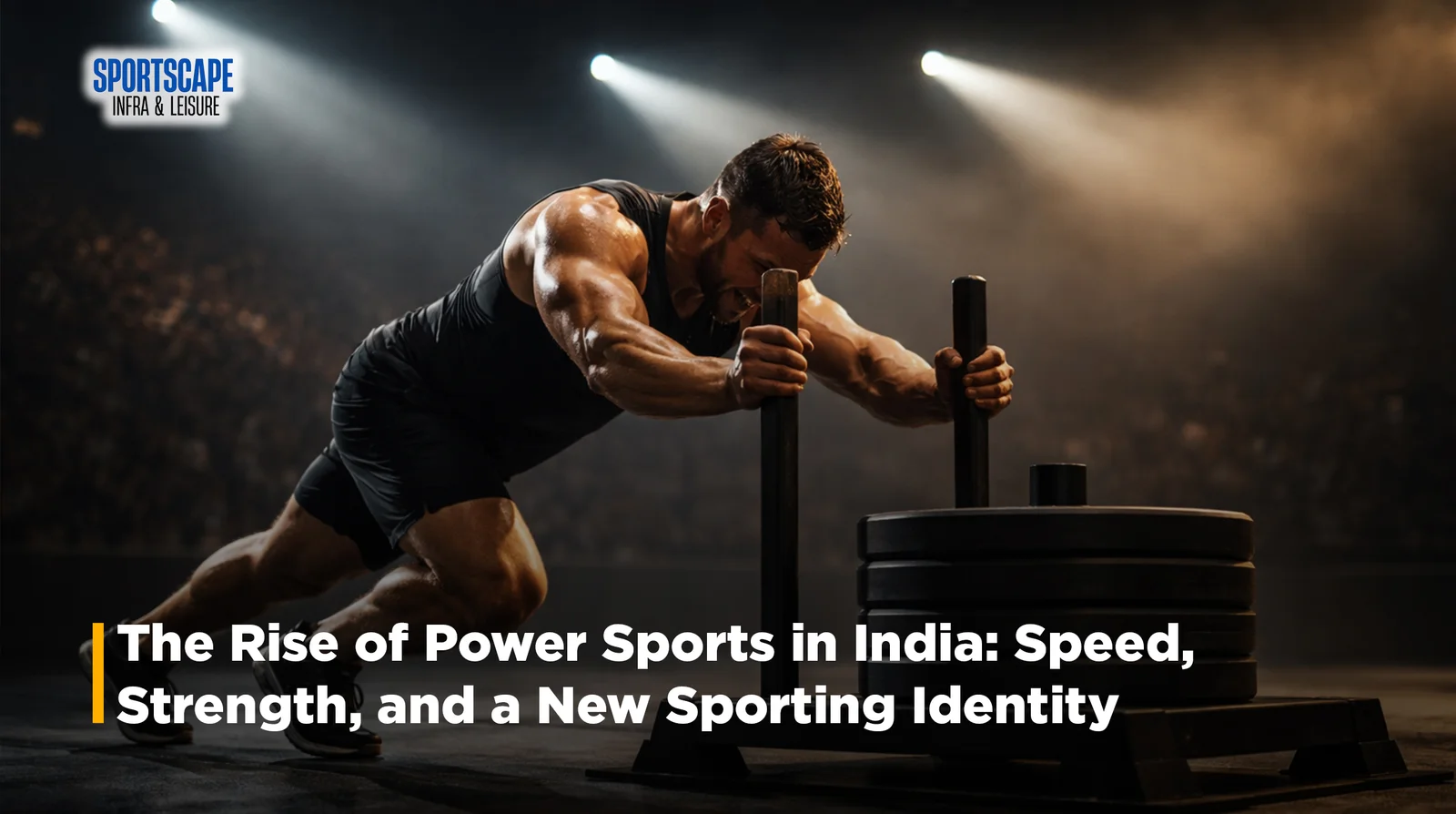
From motocross tracks to Hyrox arenas, power sports are rewriting India's sporting identity. With a $1.58B market, 3,350+ athletes at HYROX Mumbai, and a fitness economy racing toward ₹37,700 crore, India's hunger for speed, strength, and raw competition is no longer niche — it's a full-blown movement.
Do you remember the famous Japanese game show, Takeshi’s Castle? In that, participants were made to compete in a series of physically challenging tasks to take over a fictional castle. Now imagine that same energy, but turned up several notches.
In the Indian context, power sports feel a lot like a real-life, more intense version of that format. Except here, it’s not just fun and games; it’s far more structured, competitive, and way more demanding on the body, where performance metrics like speed, strength, endurance, and agility are central. This includes motorsports like motocross, drag racing, and karting, as well as fitness-driven competitive formats like Hyrox, CrossFit competitions, and obstacle racing. These are sports where milliseconds matter, where explosive power defines winners, and where both human and machine performance are pushed to the edge.
The appeal of these sports lies in their raw intensity. They are visually thrilling, highly competitive, and perfectly suited to the digital age, where short, high-impact clips can go viral within seconds. A 20-second clip of a biker pulling off a jump or an athlete collapsing after a gruelling Hyrox race often generates more engagement than a full-length match. This rise isn’t happening in isolation. It’s being fuelled by increased sports budgets, private investments, and a generation that is more exposed to global trends than ever before.
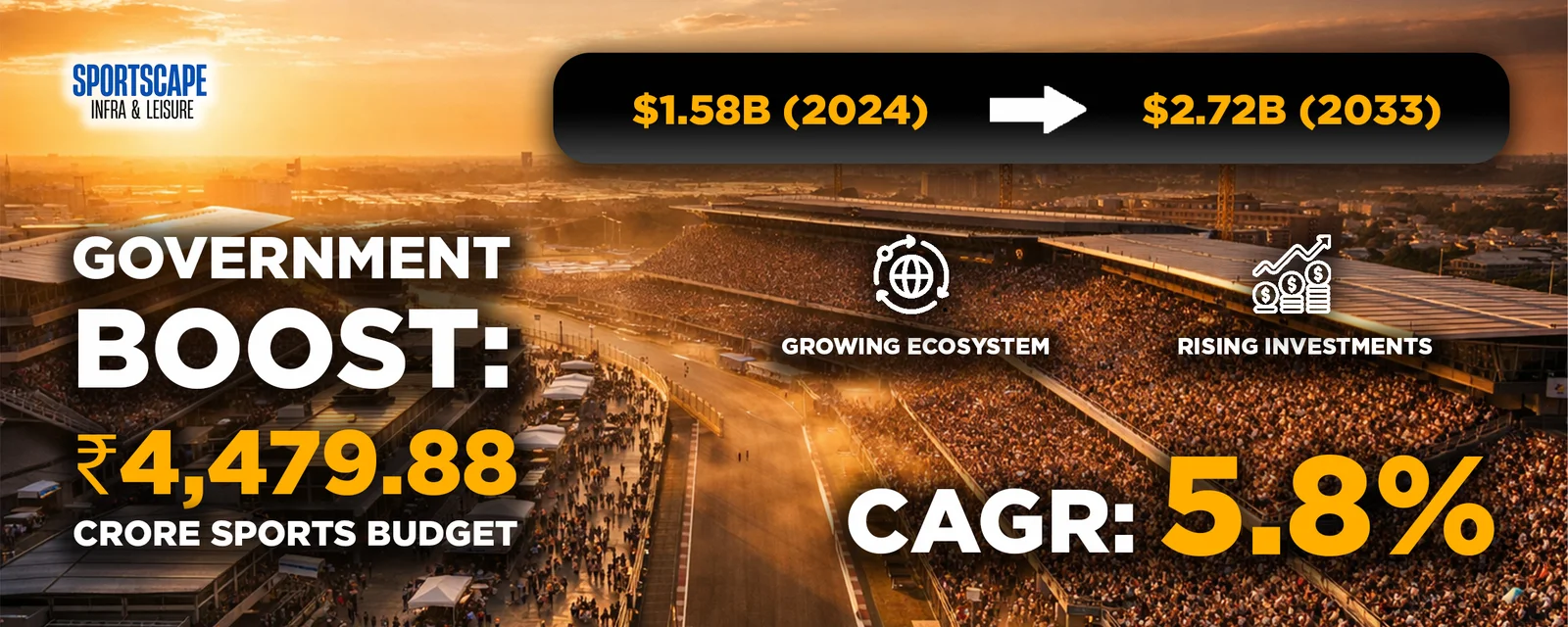
India's powersports market size reached $1.58 billion in 2024. It is expected that the market will reach $2.72 billion by 2033, exhibiting a growth rate (CAGR) of 5.8% during 2025-2033. The Indian government’s sports budget, for instance, has seen exceptional growth with ₹4,479.88 crore in the latest Union budget, signalling a broader commitment to diversifying the country’s sporting ecosystem. The numbers reflect this growing interest too.
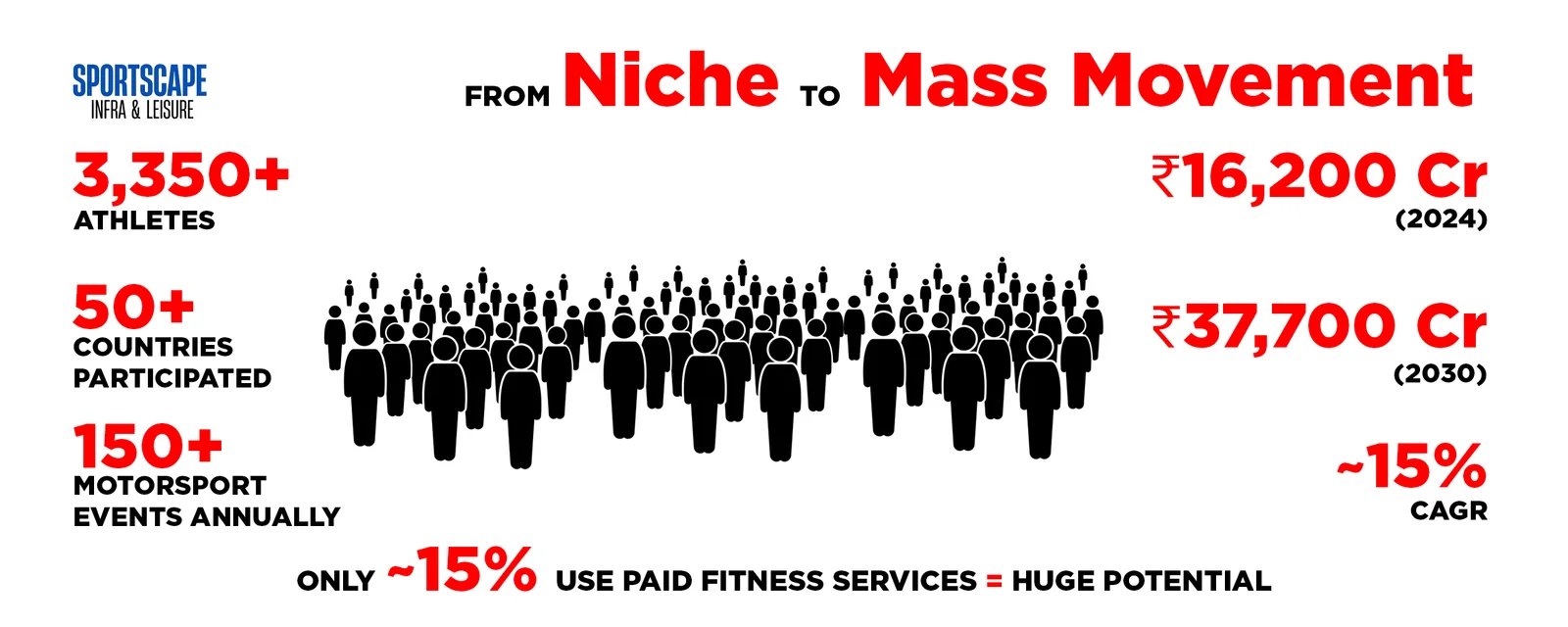
Over 3,350 athletes from more than 50 countries just stormed HYROX Mumbai 2025 at the NESCO Centre. India has seen a sharp rise in participation in endurance and strength-based competitions. Fitness events, for example, have reported double-digit annual growth, with thousands of participants signing up across cities. Motorsports events have also multiplied, with more than 150 organised events taking place annually across categories like motocross, karting, and drag racing, significantly higher than what the ecosystem saw before 2018.
Even niche categories like All-Terrain Vehicle (ATV) racing and off-roading are gaining popularity. Events such as the Maruti Suzuki Desert Storm and Raid de Himalaya have developed cult followings among enthusiasts, blending adventure with competitive sport. The rally witnessed 250 participants from India as well as South-Asian countries in 60 vehicles and rallied across Assam, Nagaland and Manipur before entering Myanmar. What was once considered a hobby for a few is now evolving into a structured, competitive ecosystem.
How Power Sports Found a Foothold in India
The rise of power sports in India didn’t happen overnight. It is the result of a gradual build-up of infrastructure, awareness, and ambition. A decade ago, access to facilities was one of the biggest barriers. Dedicated motocross tracks were limited, karting circuits were few, and functional fitness gyms were largely confined to metropolitan cities. Today, the landscape looks markedly different.
India now has over 25+ operational karting tracks across cities like Bengaluru, Mumbai, Hyderabad, and Chennai. Motocross tracks have emerged in states such as Maharashtra, Gujarat, and Tamil Nadu, with local clubs organising regular races. At the same time, the number of CrossFit-affiliated gyms and functional training centres has grown into the hundreds, spreading beyond metros into Tier-2 cities.
Globally, power sports have long been established. The United States and Europe have structured leagues, sponsorship ecosystems, and massive fan bases for motorsports and strength competitions. India is still in its early stages by comparison, but the growth trajectory is unmistakable.
One of the biggest catalysts has been global exposure. Platforms like YouTube and Instagram have democratized access to content. Young Indians today can watch Formula 1 races, follow motocross championships, or track elite fitness athletes in real time. This exposure has transformed aspirations.
Fitness culture, in particular, has seen a dramatic shift. According to industry estimates, India’s fitness market is expected to grow from ₹16,200 crore in 2024 to over ₹37,700 crore by 2030, at a CAGR of around 15%. With only about 15% of active individuals currently using paid fitness services, the headroom for growth is enormous. Within this expansion, performance-based fitness formats like Hyrox and CrossFit are gaining traction.
Infrastructure has followed demand. Equipment availability has improved, coaching standards have risen, and specialised training programs are emerging. Athletes now have access to structured coaching in strength training, endurance conditioning, and sports-specific skills.
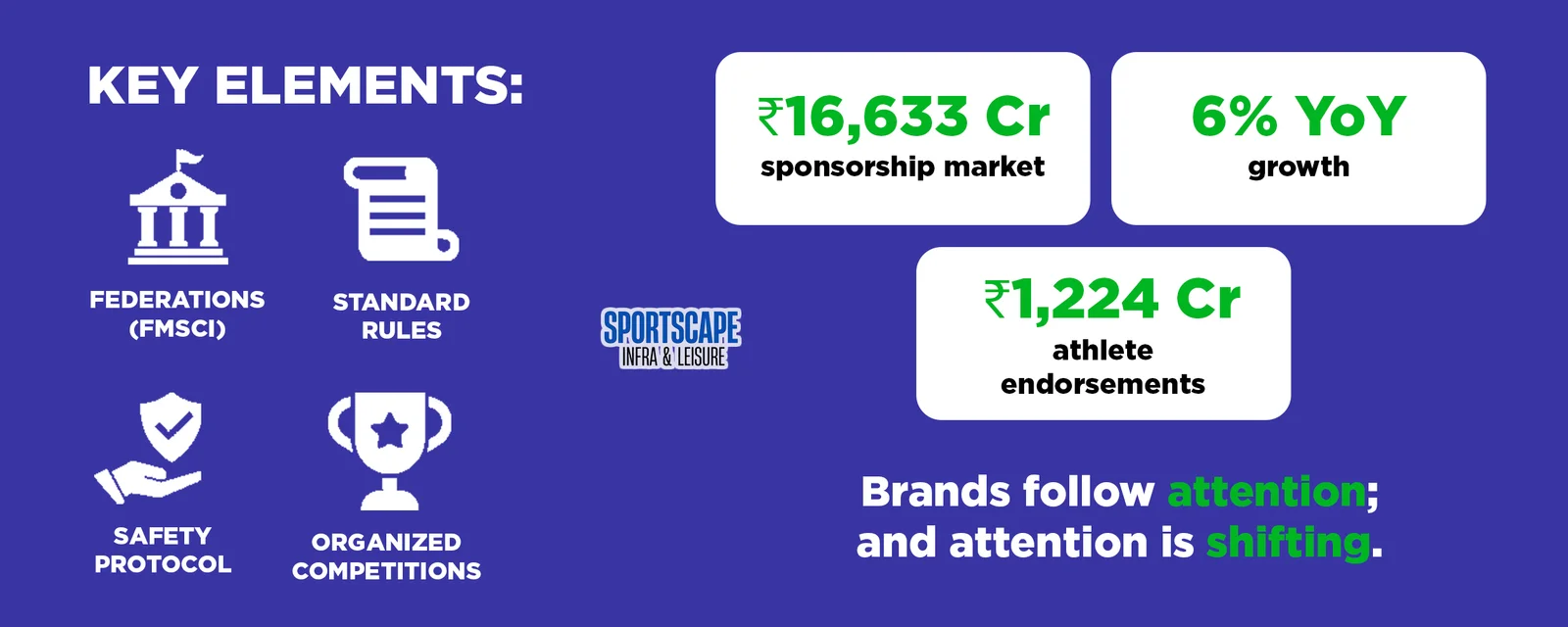
The timeline of growth is dotted with key milestones. Motorsports in India gained formal structure with organisations like the Federation of Motor Sports Clubs of India (FMSCI), which standardised rules and sanctioned events. The emergence of professional karting championships created a pipeline for young drivers. On the fitness side, the arrival of global formats like CrossFit competitions and Hyrox races introduced standardised competition structures.
Indian athletes have also begun to make their mark internationally. From motorsport drivers competing in global circuits to fitness athletes qualifying for international competitions, these success stories have played a crucial role in inspiring the next generation. As one early motorsport organiser noted in an interview, “Ten years ago, we struggled to find participants. Today, we have waiting lists for events.” That shift tells the story of an ecosystem that has moved from scarcity to momentum.
The Role of Events and Federations in Popularity Growth
If infrastructure laid the foundation, events and federations have provided legitimacy. Organised competitions are the backbone of any sport. They create pathways for athletes, attract sponsors, and build fan engagement. In the case of power sports in India, the rise of structured events has been a game-changer. Motorsports events today are conducted under strict guidelines set by bodies like the FMSCI. Safety protocols, licensing systems, and standardised race formats have helped move the sport away from its earlier image of being informal or unsafe.
Similarly, fitness competitions like Hyrox operate on globally standardised formats, ensuring consistency and credibility. Participants know exactly what to expect, and performances can be benchmarked against global standards. The scale of events is also expanding. India’s biggest motocross championships now attract hundreds of riders and thousands of spectators. Hyrox events in cities like Delhi and Mumbai have seen participation numbers in the thousands, with categories ranging from elite athletes to everyday fitness enthusiasts.
Sponsorships follow the audience. Brands in sectors like automotive, fitness, nutrition, and apparel are increasingly investing in these sports. Sponsorship in Indian sports has grown into a ₹16,633 crore industry (2024), representing a 6% year-on-year growth and a sevenfold surge since 2008. Cricket dominates with 85% of the market share, though emerging sports like Kabaddi and non-cricket athlete endorsements are rising rapidly. Athlete endorsements reached ₹1,224 crore in 2024, a 32% increase. Prize money pools are growing, making it financially viable for athletes to pursue these disciplines more seriously.
Streaming and digital content have further amplified reach. Many events are now broadcast live or covered extensively on social media. Athlete vlogs, behind-the-scenes clips, and highlight reels create continuous engagement beyond the event itself. For younger audiences, this is particularly appealing. Power sports offer a mix of thrill, personal challenge, and community. They align perfectly with modern fitness goals, where people are not just looking to stay healthy but to test their limits. The community aspect cannot be overstated. Whether it’s a group of bikers training for a race or a fitness community preparing for a Hyrox event, these sports foster strong social connections. This sense of belonging is a key driver of sustained participation.
Challenges and Barriers
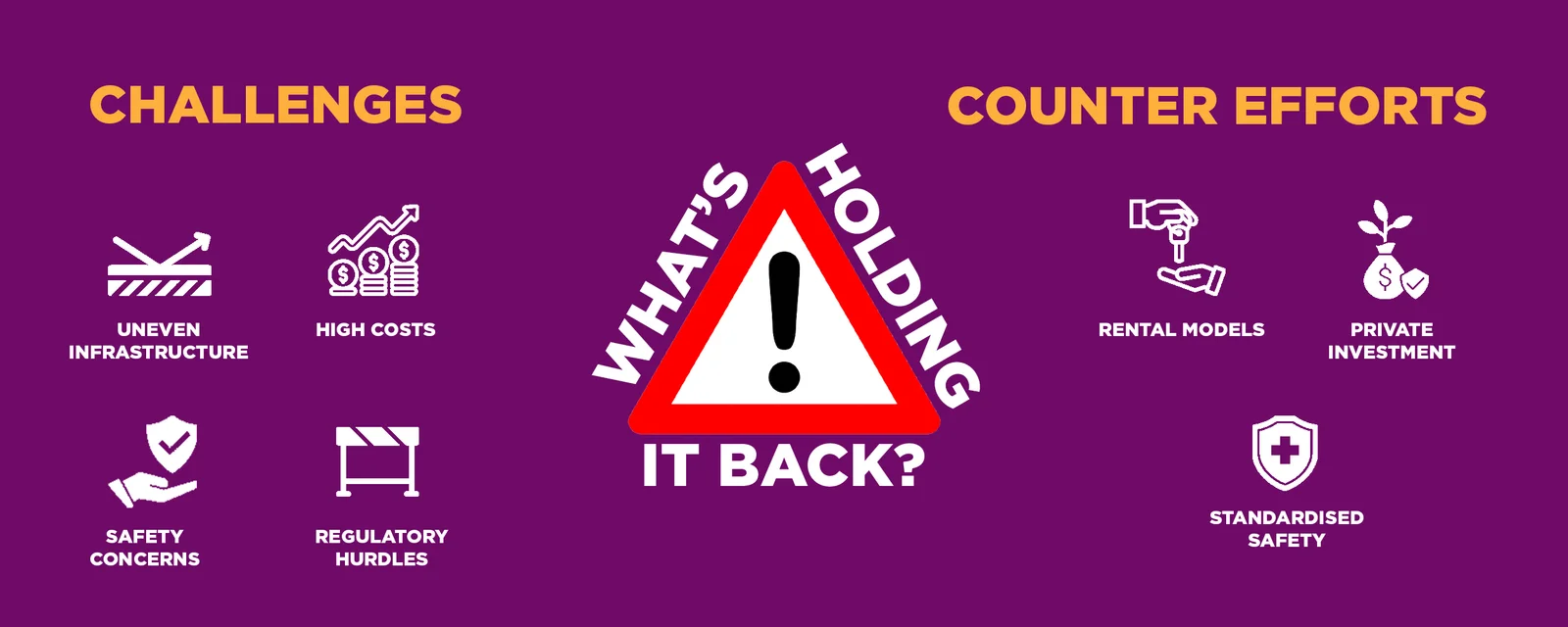
Despite the growth, power sports in India still face significant challenges. One of the biggest issues is uneven infrastructure. While metros and some Tier-2 cities have seen improvements, smaller towns still lack access to facilities. For many aspiring athletes, simply finding a training ground or a qualified coach remains a hurdle.
Cost is another major barrier. Motorsports, in particular, can be expensive. Bikes, safety gear, maintenance, and travel costs can add up quickly. Even fitness competitions, while more accessible, require investment in training, nutrition, and event participation fees.
Safety concerns also continue to shape public perception. High-speed sports like motocross and drag racing carry inherent risks. Incidents of severe injuries, though relatively rare in organised events, often receive significant attention, reinforcing apprehension among families and first-time participants. Regulatory hurdles add another layer of complexity. Permissions for events, land acquisition for tracks, and compliance with safety standards can slow down development. In some cases, the lack of clear policies has hindered expansion.
However, efforts are being made to address these gaps. Governing bodies are working to standardise safety protocols and streamline processes. Private companies are investing in infrastructure and training programs. Fitness brands are creating more accessible entry points through community-driven events and scalable competition formats. The emergence of rental models for equipment and shared training facilities is also helping reduce cost barriers, making these sports more inclusive.
The Road Ahead: A High-Performance Future
The future of power sports in India looks promising and dynamic. New disciplines are constantly emerging. Obstacle course racing, endurance cycling, and hybrid fitness competitions are gaining popularity. Youth leagues and collegiate competitions are beginning to take shape, creating early exposure and structured pathways for young athletes. India’s potential for international success is significant. With the right support systems, Indian athletes can compete and win on global stages. The growing number of participants qualifying for international events is an encouraging sign.
Sponsorship and brand investment are expected to increase as audiences grow. Companies are recognising the marketing potential of these sports, particularly among younger, urban consumers. This could lead to the development of professional leagues and career opportunities for athletes. HYROX Mumbai, as part of the HYROX India series, is backed by major global sponsors including PUMA (official footwear/apparel), Red Bull, Centr, and Concept2. These partners, along with local collaborators like Policybazaar.
Gyms and training centres are also evolving. Many are now offering specialised programs tailored to power sports, focusing on strength, conditioning, and sport-specific skills. This integration of fitness and competition is creating a more holistic ecosystem. The economic impact is another important dimension. Events are not just sporting competitions; they are also drivers of tourism and local economies. Participants travel across cities and even countries to compete. As seen in events like Hyrox Mumbai, international participation adds a new layer of economic activity.
Technology will play a crucial role in shaping the future. Wearable devices, performance tracking tools, and data analytics are already being used to optimise training. Virtual simulations and advanced coaching platforms could further enhance accessibility and performance. Even motorsports are benefiting from technological advancements, with improved safety gear, better track design, and more efficient vehicles.
Conclusion: A New Sporting Culture in the Making
The rise of power sports in India is more than just a trend; it’s a reflection of a changing mindset.
It signals a shift from passive consumption of sports to active participation. It highlights a generation that values performance, resilience, and self-improvement. And it underscores the importance of building a diverse sporting ecosystem that goes beyond traditional disciplines.
At its core, the growth of power sports is about passion. It’s about individuals pushing their limits, communities coming together, and a country embracing new forms of expression. Whether it’s the roar of an engine on a dirt track or the final sprint in a Hyrox race, these moments capture something fundamental: the drive to go faster, stronger, and further. And as India continues to invest in its sporting future, power sports are set to play a significant role in shaping a new, high-performance identity.
Written by
Chetan is an Editor at Sportscape Magazine, bringing over three years of experience across sports, defence, international relations, and sports law. With more than 3,500 articles to his name covering player insights, match performances, and team analysis, he…