
Is Suryakumar Yadav Really To Blame? Why Gautam Gambhir's Own Tactics Deserve Equal Scrutiny
Suryakumar Yadav is set to be replaced as India's T20 captain despite winning the 2026 World Cup. But does he deserve to take all the heat all by himself?
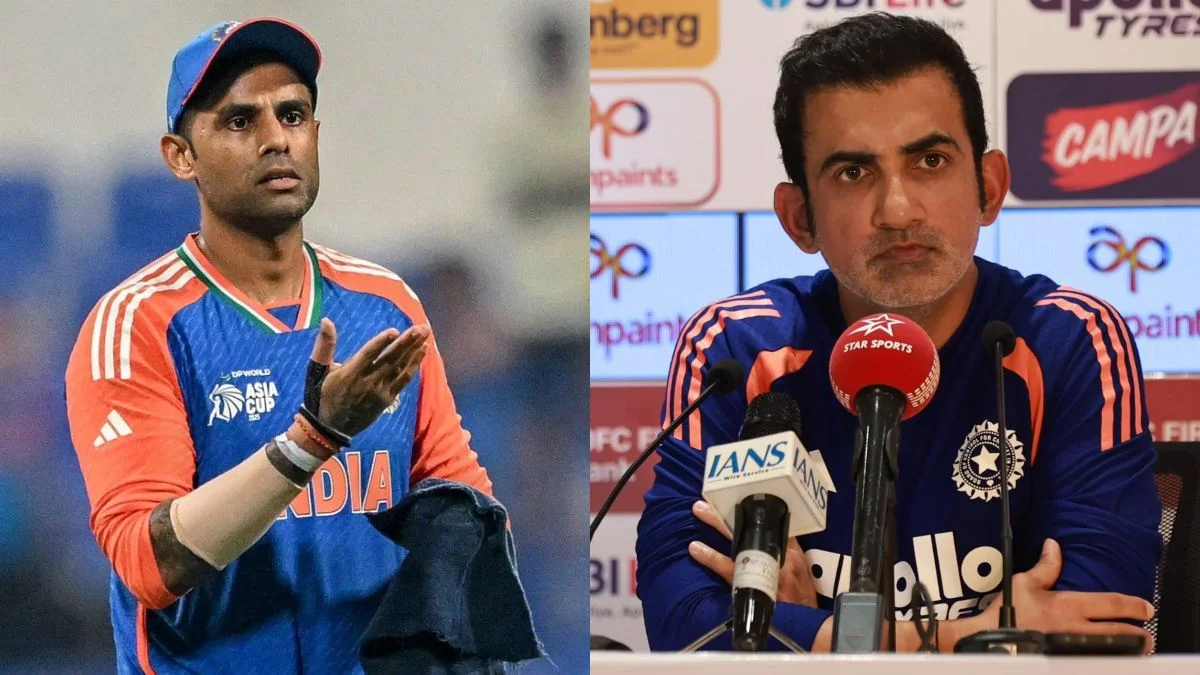
When the Indian cricket team’s head coach Gautam Gambhir said, “India needs to be a cricket-loving nation and not a cricketer-loving nation," he certainly wasn’t joking. The current T20 captaincy facade has just stamped the entire facade. According to reports, Suryakumar Yadav, who led India’s 2026 T20 World Cup campaign to triumph, is set to be replaced, and Shreyas Iyer or Tilak Varma are the prime candidates to take charge. But Yadav isn’t the only one who has come up against this system set by the selectors’ committee and other decision-makers.
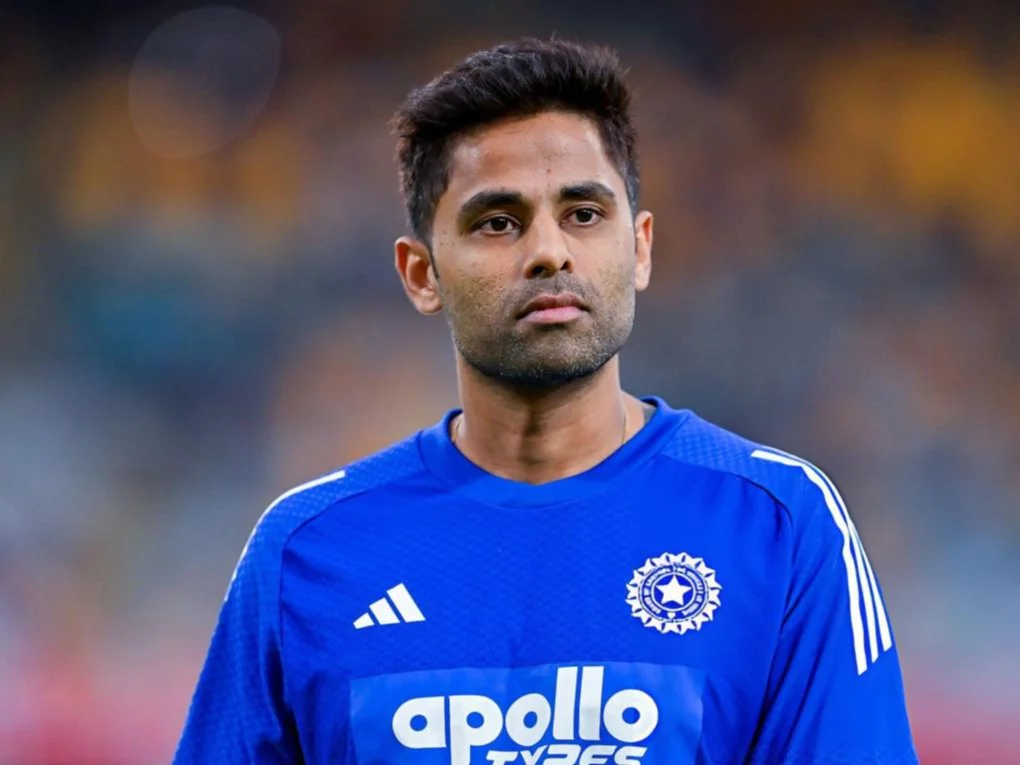
This system has been applied in the past as well without any exceptions. Some think former India captain Rohit Sharma’s Test retirement was managed; it was ended. This was followed by Virat Kohli’s announcement to hang his cleats from the longest format of the game as well. India’s Test captain Shubman Gill didn’t make it to the T20 World Cup squad despite being named the vice-captain just months before. The prolonged absence of senior speedster Mohammad Shami is just another product that follows the same logic.
We get it. Suryakumar could not create an impact in the 2026 IPL. The Mumbai Indians batter had a very below-average campaign, scoring 270 runs in 13 innings. He had an average of 20.77 and a strike rate of 147.54, which included two half-centuries with a highest score of 60. But what must not be forgotten is his resume before this IPL. He has won 40 of 52 games as captain and lost a bilateral series. Under Gambhir, T20 is the most efficient performing format and to some cricket pundits, this transition doesn’t make sense based on just one poor season. The concerning part here is just the opposite.
Why should SKY bear all the heat?
Since Gambhir took over the coaching duties in July 2024, the red-ball game has gone under severe scrutiny. Out of the 19 matches played so far, India has won just seven, with two wins each against tier-2 cricketing nations, including Bangladesh and the West Indies. Gautam Gambhir had a tough time as India's head coach, and his approach to Test cricket came under serious criticism after India lost 0-2 to South Africa at home. This was the second Test series defeat at home in their last three series, and the 408-run loss in the second Test was the worst defeat in Indian Test history by runs. Fans and experts alike questioned whether Gambhir was the right person for the job, and there were growing calls for him to be removed from his position.
One of the biggest problems with Gambhir's coaching was his handling of the batting lineup. He constantly changed the team combination and batting order, leaving players unsettled and confused about their roles. For example, seven different batters batted at the number three position since September 2024, which showed just how much chopping and changing had been going on. Players like Sarfaraz Khan, Karun Nair, and Sai Sudharsan were picked, dropped, or shifted around without any clear pattern. With big names like Virat Kohli and Rohit Sharma no longer playing Test cricket, India could not afford this kind of instability in their batting unit. Instead of building confidence in younger players, the constant shuffling only added to the uncertainty.
Another major issue was Gambhir's on-field decisions and game planning. His insistence on preparing rank turners, pitches that heavily favoured spin bowling, did not work as planned and instead exposed India's own fragile batting. India scored above 300 only once in six innings during their home series against New Zealand, and their highest total against South Africa was just 201. On top of that, his preference for all-rounders like Nitish Kumar Reddy over specialist batters did not pay off, especially since Reddy was rarely given the ball either. The same aggressive and unpredictable tactics that worked well in T20 cricket simply did not translate to the longer format, where consistency, clear roles, and settled combinations were what won Test matches.
Big Brother vs Elder Brother
When Rahul Dravid took over as India's head coach in November 2021, he faced one of his biggest early challenges, i.e., managing too many captains. In just the first 8-10 months of his coaching, he had to work with around 5-6 different captains across formats due to injuries and COVID-related workload issues. However, once things settled down, Dravid built a very stable leadership structure. Rohit Sharma became the clear captain across all three formats, and the team found its rhythm. This stability showed in the results. India climbed to the No. 1 T20I ranking by February 2022, just three months into Dravid's tenure, and never let go of that top spot throughout his entire time as coach. Despite early-round exits at the 2022 T20 World Cup and heartbreaking final losses in the 2023 World Test Championship and 2023 ODI World Cup, the team's core leadership remained unchanged. One captain, one vision, one dressing room culture. It all ended on the highest note possible; India won the 2024 T20 World Cup with Rohit still leading, and Dravid stepped away with the No. 1 ranking firmly in India's hands.
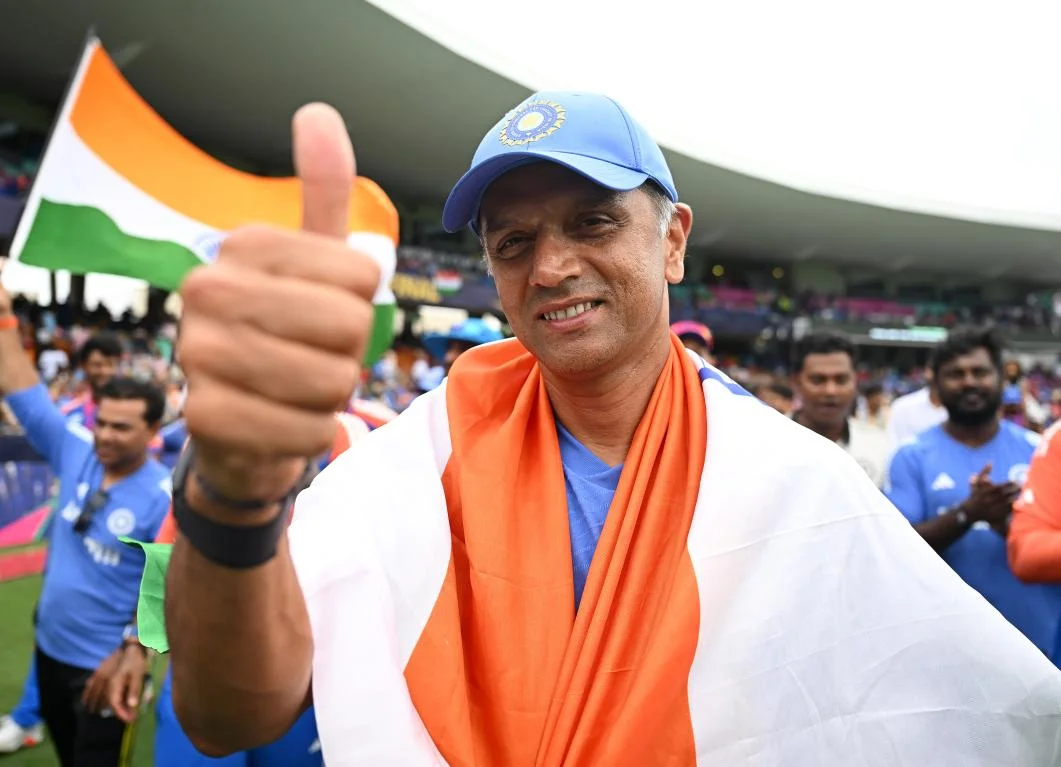
Gautam Gambhir's era, on the other hand, has seen much more leadership movement. Since taking charge in July 2024, India have already gone through notable captaincy changes across all three formats. Suryakumar Yadav replaced Rohit in T20Is almost immediately. Rohit then retired from Test cricket, making way for Shubman Gill as Test captain in May 2025. Shortly after, Gill also took over the ODI captaincy from Rohit in October 2025. While these changes were planned and necessary for India's long-term future, they do show that Gambhir's era has involved much more transition at the top. To his credit, India has remained No. 1 in T20Is and even won the 2026 T20 World Cup. But in terms of captaincy continuity, Dravid's era was clearly more settled and stable.
Bottom line
Indian cricket is at a fascinating crossroads right now. The results in white-ball cricket speak for themselves, with back-to-back T20 World Cup titles and a Champions Trophy under Gambhir is a record that very few coaches anywhere in the world of sportscan match. But the cracks in Test cricket, the constant reshuffling of the batting lineup, and now the seemingly cold removal of a World Cup-winning captain in Suryakumar Yadav raise questions that cannot be brushed aside simply by pointing to trophies. Rahul Dravid showed that patience, stability and trust in your players can take a team to the very top. Gambhir's approach is clearly different, faster, more ruthless, and far less sentimental. Whether that is a strength or a weakness will only become clear over the next couple of years, especially as India chases glory in the 2027 ODI World Cup. One thing, however, is certain. In Gambhir's India, no jersey is safe, no legacy is untouchable, and performance is the only currency that matters. That may well be exactly what Indian cricket needs. Or it may be the thing that eventually undoes it.
Written by
Chetan is an Editor at Sportscape Magazine, bringing over three years of experience across sports, defence, international relations, and sports law. With more than 3,500 articles to his name covering player insights, match performances, and team analysis, he…