
Turkey's Erzurum Ski Jump Towers flags poor planning and weak infrastructural loopholes
The spotlight also brought attention to a major infrastructural setback linked to the Erzurum Ski Jump Towers in Turkey.
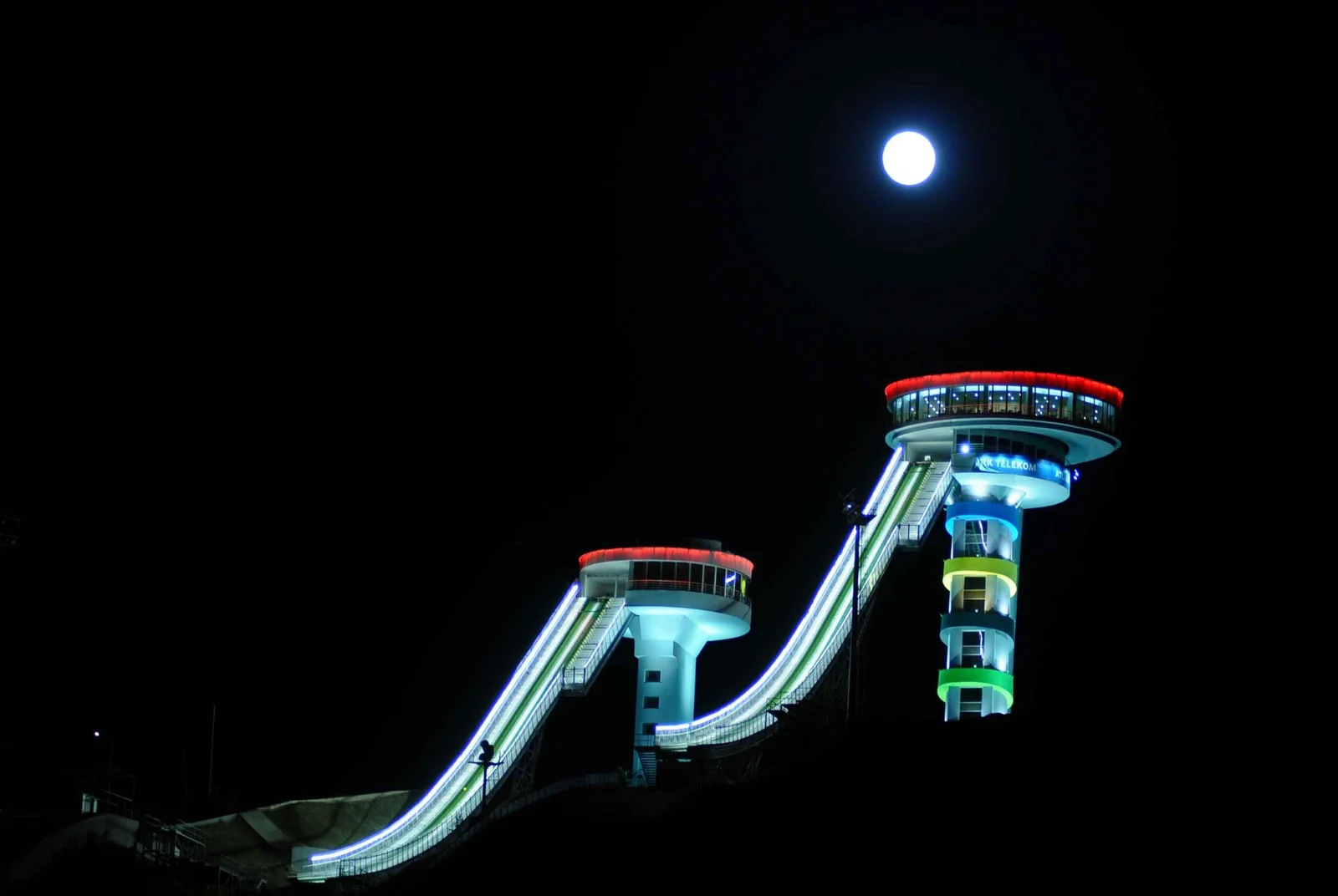
As the world welcomes the 2026 Winter Olympics with a grand ceremony in Milan-Cortina, athletes debut with exemplary enthusiasm, precision, and ambition. The icy competition gains popularity for widening the horizon with maiden displaying Ski mountaineering as a new competitive edge, meets the harsh setbacks which unfolds the cracks beneath the glittering snowfield. The ski jumping towers were precisely curated to facilitate the smooth operations of the sport, which faces the on-ground reality by touching the ground after collapsing.
A painful case study in planning failure: The Erzurum Ski Jump Towers
— World Data Analysis (@World_Data_A) February 11, 2026
As the Winter Olympics continue, this is a striking reminder of how poor planning and weak institutional coordination can undermine even the most ambitious projects.
Years ago, Erzurum, home to the a… pic.twitter.com/A0iHd3up5A
The ski center Palandoken, nestled in Erzurum, was the place to host the Winter Universiade, which underwent significant advancement with the addition of having the Ski jumping towers. Days after the event was going to take place, the structure collapsed, leading to inviting the engineers for repairs and then marking the history by collapsing again. Built on a hillside with unstable, soft ground conditions, miscalculations, and insufficient geotechnical assessment proved to be the major trigger for such a downfall.
At first instance, the project seemed visionary through a multitude of variables. Having only 10 minutes distance from ski slopes and even the slopes being only 30 minutes far away from the airports, proved the prominence over other past slopes. The previous competition held in Canada had a major-scale distance of about 200 kms.
Critical lessons for working forward in advancing Sports Infrastructure
There are two important lessons that can be learned out of this episode. To start with, issues of institutional capacity are important, since what might seem as a structural or technical flaw are usually informed by more structural system weaknesses. It is not just a failure in construction but it points towards a failure to plan, supervise, manage risks, and coordinate activities of institutions. Second, mismanagement of public infrastructure in a country is not unique to any specific country or system but permeates to a certain level across the globe.
Written by