
Winter Olympics 2026: Hosting the event after 70 years, the Milan Cortina Arena will be the showstopper with jaw-dropping architectural marvels
Italy’s Milan Cortina 2026 Winter Olympics will unfold in an arena that seamlessly blends history with modern ambition.
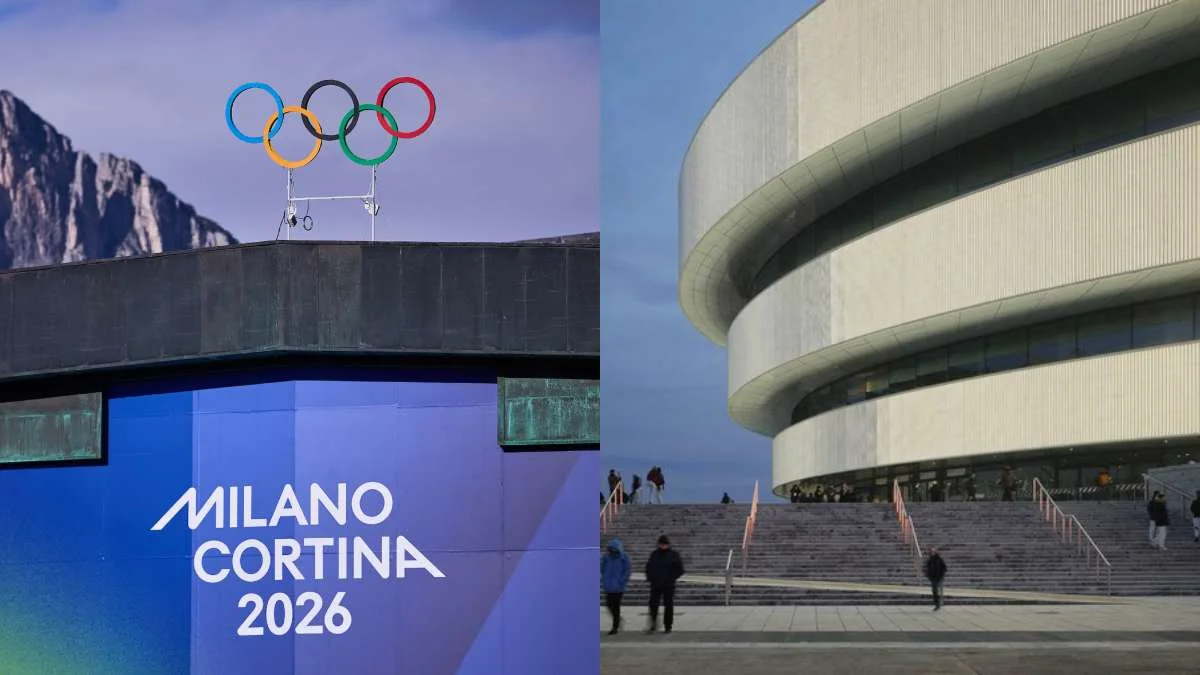
Italy’s Milan Cortina is hosting the 2026 Winter Olympics and looks like it deserves every bit of it. Rightly termed as a “very historic venue” by Giacomo Colli, deputy events manager for the 2026 Milan-Cortina Games, the historic ice arena in Cortina d’Ampezzo is set to host the Winter Olympics after 70 years. The arena was originally an open-air stadium with no roof. Today, the venue features a blue roof and modern seating, while the 1950s wooden interior remains intact. Over the years, it has been updated, but much of its original structure remains
A blend of history, design, and drama
The original metal flooring remains in place and is expected to create a loud and energetic atmosphere for curling fans. Organizers are adding new locker rooms and making the arena accessible to wheelchair users. The arena is also located near several other Olympic sites, including the women’s alpine skiing venue and the new bobsled, luge, and skeleton track. The architectural marvel of the arena leaves jaws on the floor.
📸 The Olympic rings are shining bright these days in Milan and the host regions of the upcoming Winter Olympics, the venues are ready, the athletes are arriving and have started training.
— Christian Klaue (@ChKlaue) February 1, 2026
🔵⚫️🔴🟡🟢#Olympics #MilanoCortina2026
📸 IOC pic.twitter.com/FHokHEJxsA
Designed by David Chipperfield Architects in collaboration with Arup, the arena takes inspiration from Milan’s ancient Roman architecture, reimagined as a bold, contemporary civic space. A grand staircase leading to a massive seating capacity of 10,000 and standing capacity of 4,000 spectators turns the arena into a public destination of its own right. Its design anchored an entirely new district and is definitely a showstopper.
The elliptical-shaped building with three floating rings wrapped in shimmering aluminium rises above the podium. It catches the light by day and transforms into a glowing face at night through integrated LED lighting. Lush landscaping cascades down the stepped base, softening the arena’s scale and giving it a surprisingly green, almost park-like feel. Inside, the fan experience has also been clearly prioritized.
Sustainability isn’t ignored either
The arena is organized around a central floor with two sweeping seating tiers, premium lounges, and sky boxes above. Wide and open concourses make moving around easy, while parking is cleverly tucked away to keep the public spaces free and walkable. Apart from all these, sustainability is also a front and central issue in the arena. The solar panels built into the roof and energy-efficient systems throughout reduce its environmental footprint while staying active year-round. This isn’t just a stadium built for a moment; it's a long-term civic landmark, ready to become part of everyday Milanese life long after the Olympic flame has gone out.
Written by
Chetan is an Editor at Sportscape Magazine, bringing over three years of experience across sports, defence, international relations, and sports law. With more than 3,500 articles to his name covering player insights, match performances, and team analysis, he…