
BWF Approves 3x15 Scoring System from 2027, Triggers Global Debate in Badminton
BWF approves new 3x15 scoring system from 2027, aiming for faster matches and higher engagement, while players raise concerns over impact on gameplay and strategy.
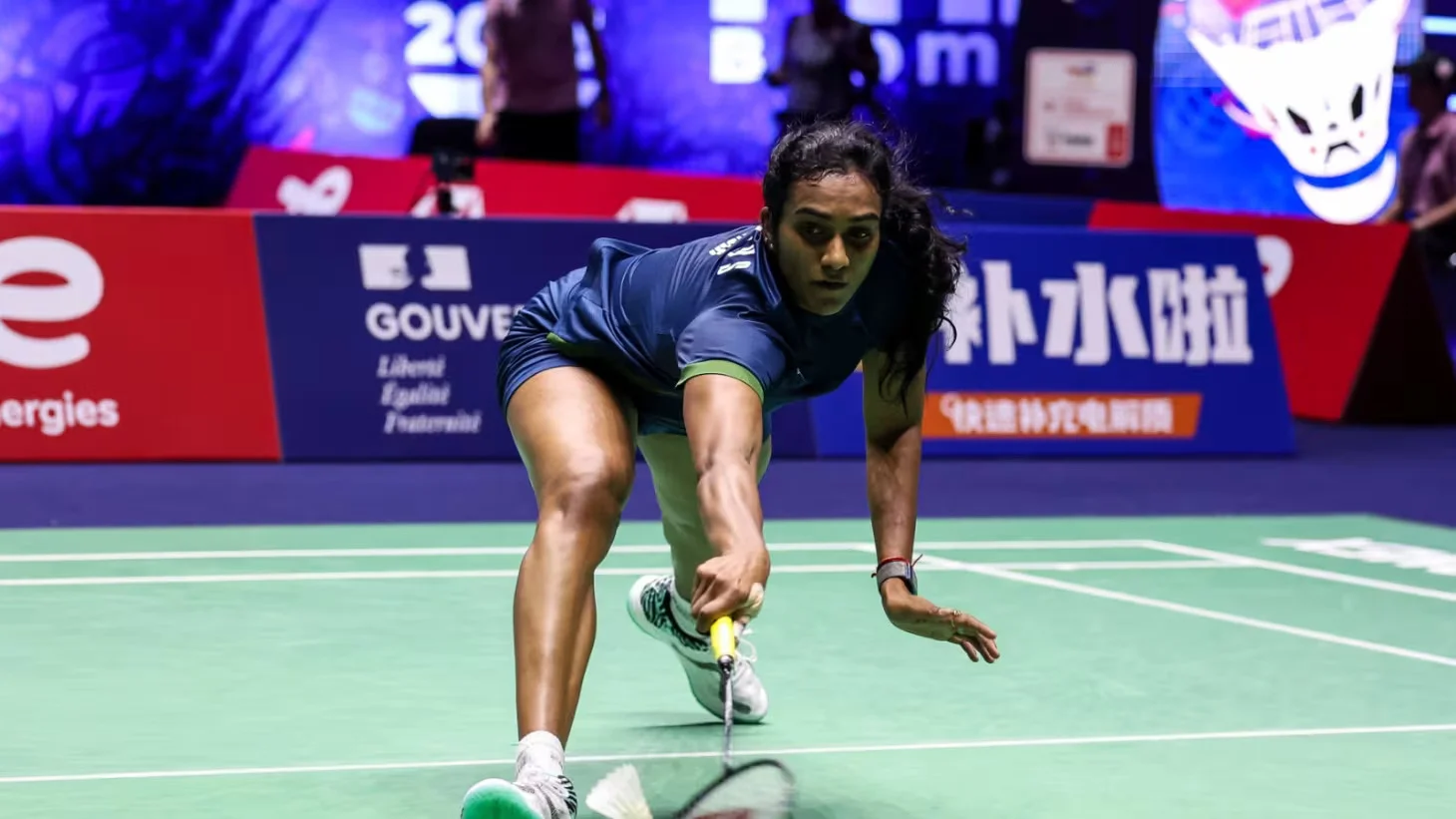
The Badminton World Federation has officially approved a major overhaul of badminton’s scoring format, introducing a 3x15 system that will replace the long-standing 3x21 format from January 2027.
The decision, passed with a strong majority at the Annual General Meeting, marks one of the biggest rule changes in modern badminton, aimed at shortening match duration, increasing intensity, and improving broadcast flexibility.
Key Changes Introduced: Faster Matches, Higher Pressure Gameplay
Under the new system, matches will be played as best of three games to 15 points, instead of 21, with players required to win two games to secure victory.
The change is designed to produce shorter, more predictable match durations, while increasing pressure from the very first rally. The federation has stated that the format will create more competitive and dramatic finishes, improve scheduling, and support better player recovery.
The reform follows extensive testing and consultation, with officials positioning it as a move to make badminton more engaging for global audiences and broadcasters.
The Badminton World Federation confirms a new 3×15 scoring system, set to roll out from January 4, 2027.
— SAI Media (@Media_SAI) April 28, 2026
Shorter games, faster rallies, higher intensity ⚡
While the format stays best-of-three with rally scoring, matches will now race to 15 points, with key tweaks in intervals… pic.twitter.com/N6izlGP6ug
Player Concerns Emerge as BWF Backs Long-Term Vision
The shift has sparked mixed reactions within the badminton community, with several players and coaches raising concerns about its impact on the sport’s traditional rhythm and strategy.
Reports indicate that some athletes believe shorter games could increase unpredictability and reduce the role of endurance, potentially favouring certain playing styles over others.
However, the BWF has stood firm on its decision, expressing confidence that the new system will modernise the sport while preserving its core identity. The governing body emphasised that the change is part of a broader vision to align badminton with evolving viewer expectations and ensure long-term sustainability.
With implementation set for 2027, the sport now enters a transition phase that could redefine gameplay strategies, athlete preparation, and global fan engagement.
Written by

Anushka Raghav is an Editor at Sportscape Magazine, where she covers the intersection of sports business, governance, policy, technology, and infrastructure. Having written over 200 news stories and editorial features, she focuses on the ideas, institutions,…