
Calcutta Eden Gardens: The Soul of Indian Cricket and a Stadium That Breathes History
Discover The History, Iconic Matches, IPL Moments, Crowd Atmosphere, And Cultural Legacy Of Calcutta Eden Gardens, India’s Legendary Cricket Stadium In Kolkata.
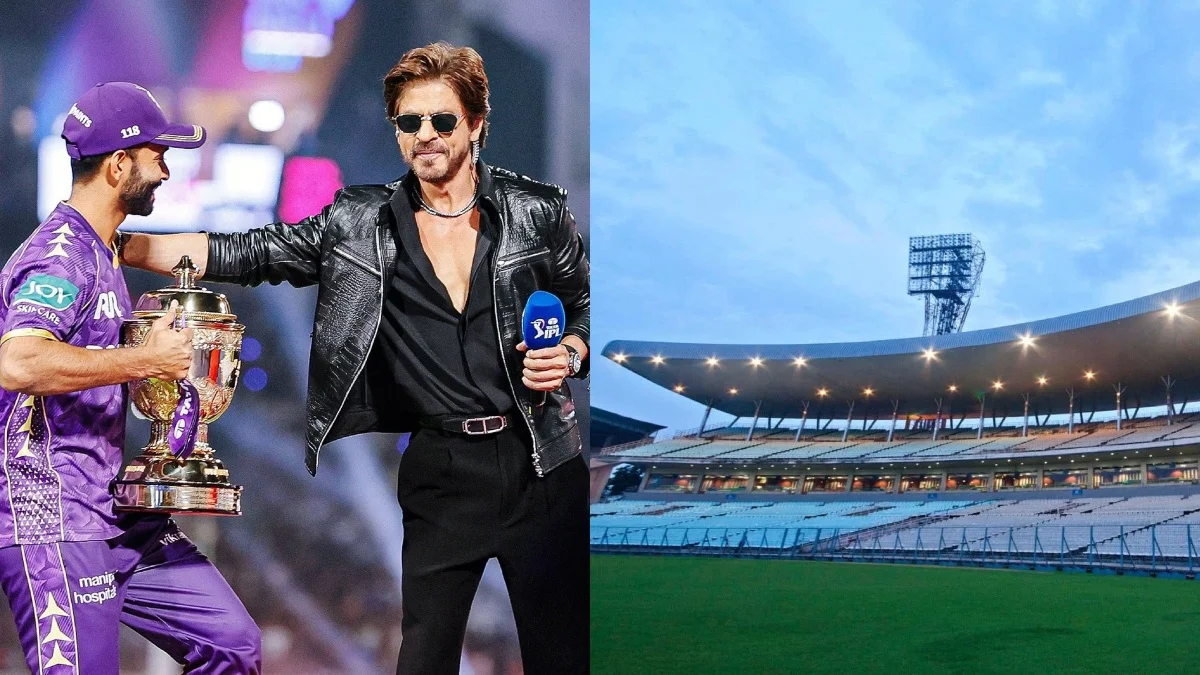
Few cricket stadiums in the world carry the emotional weight, roaring energy, and timeless prestige of Calcutta Eden Gardens. Located in the heart of Kolkata, formerly known as Calcutta, this iconic stadium is far more than a sporting venue. It is a living museum of Indian cricket history, a place where dreams have risen, careers have transformed, and unforgettable cricketing moments have been carved into memory forever. To millions of cricket lovers, Eden Gardens is not simply a ground with grass and concrete stands. It is an emotion that pulses through every chant, every cheer, and every crack of the bat.
Built during the British colonial era, Eden Gardens has witnessed cricket evolve from a gentleman’s pastime into a global phenomenon. The stadium has hosted legendary Test matches, thrilling One Day Internationals, and electrifying IPL encounters that continue to define modern cricket culture. Generations of fans have walked through its gates carrying hope, passion, and unmatched loyalty for their teams. The atmosphere inside Eden Gardens is often compared to a volcanic eruption because the crowd can shift the momentum of a match within seconds in such a sports infrastructure. Players from around the world have admitted that performing here feels both intimidating and magical.
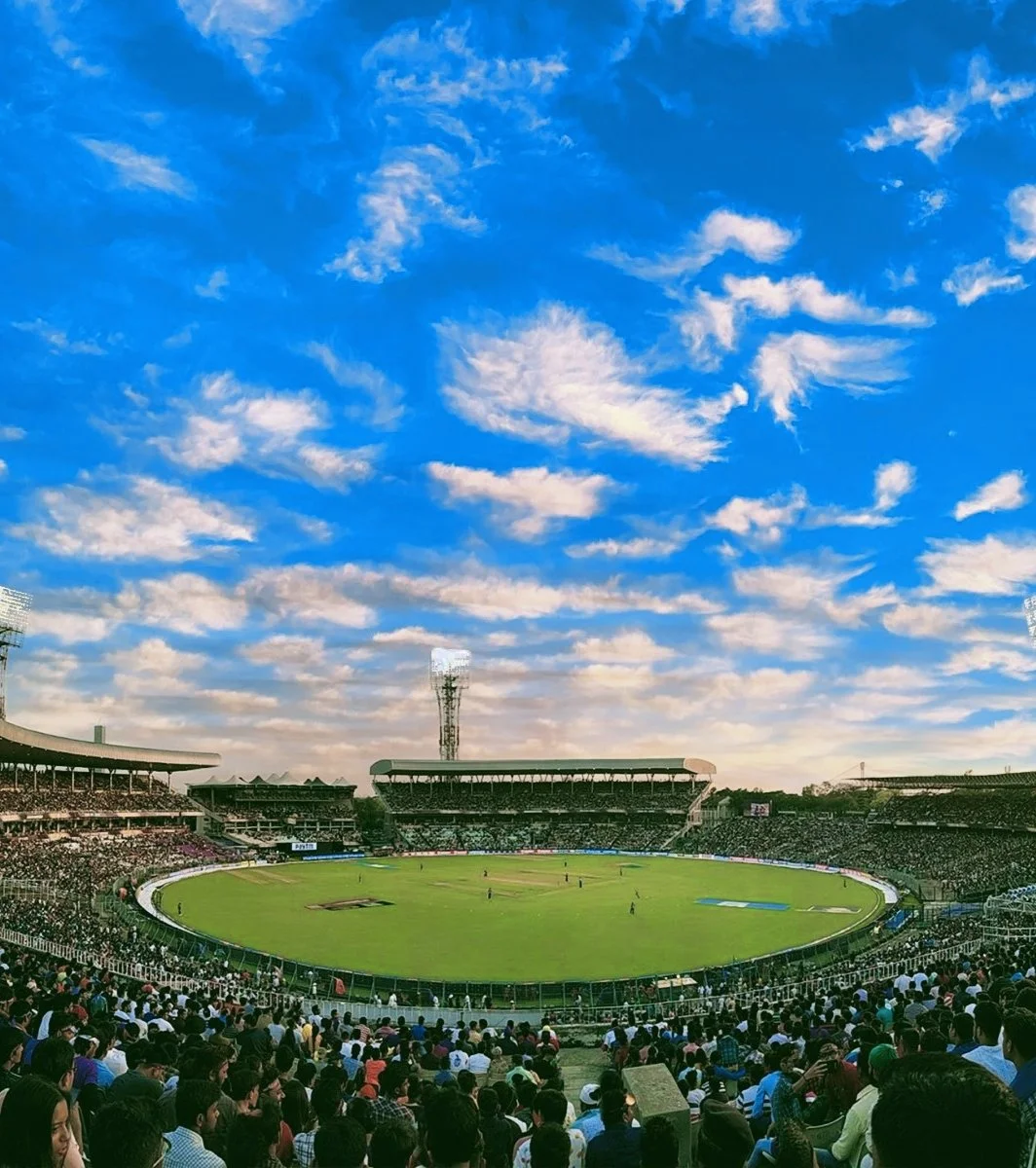
What makes Eden Gardens special is its unique blend of heritage and intensity. The stadium balances old-world charm with modern upgrades while preserving the emotional soul that makes it legendary. Every corner of the ground tells a story. Every stand echoes with memories of iconic victories and heartbreaking defeats. Whether someone is a lifelong cricket fanatic or a curious traveler visiting Kolkata for the first time, Eden Gardens leaves an unforgettable impression. It stands as a symbol of India’s deep relationship with cricket and continues to inspire generations who believe that sport can unite hearts across every boundary imaginable.
The Origins of Eden Gardens
The story of Eden Gardens begins in the nineteenth century during British rule in India, a period when cricket was slowly becoming woven into the social and cultural fabric of Calcutta. Established in 1864, Eden Gardens is one of the oldest cricket stadiums in the world and holds a timeless place in the history of the sport. Long before giant floodlights illuminated modern cricket nights, this ground was already drawing passionate spectators who viewed cricket not merely as entertainment but as a celebration of identity and pride.
How the Stadium Got Its Name
The name “Eden Gardens” has an elegant and aristocratic origin. It was named after the Eden sisters, Emily and Fanny Eden, who were associated with Lord Auckland, the Governor-General of India during the colonial era. The gardens surrounding the stadium were originally developed as a recreational and aesthetic space designed to enhance the beauty of the city. Over time, the cricket ground constructed nearby inherited the same name, eventually becoming one of the most iconic sports venues in the world.
The name itself creates an interesting contrast with the atmosphere inside the stadium. While “Eden” suggests peace and paradise, the roaring crowd often transforms the venue into a thunderstorm of emotions. The beauty of the name combined with the intensity of cricket creates a unique identity that no other stadium quite replicates. Even visiting teams often speak about the surreal feeling of entering Eden Gardens for the first time. It feels historic, almost sacred, like stepping into a cathedral built for cricket worship.
As Kolkata evolved into a cultural powerhouse of literature, cinema, and intellectual discourse, Eden Gardens became an inseparable part of the city’s personality. It represented a common heartbeat among millions of residents. The stadium became a place where social classes disappeared temporarily because everyone, from businessmen to college students, screamed together for the same team. That emotional unity remains one of the greatest strengths of Eden Gardens today.
The Early Days of Cricket in Kolkata
Cricket arrived in Kolkata through British officers and merchants who used the sport as a recreational escape from administrative life. During the late nineteenth century, local Indians slowly embraced the game and transformed it into something much bigger than the British could have imagined. Clubs began emerging across the city, and Eden Gardens naturally became the center of cricketing activity in eastern India.
In its early years, the stadium lacked the giant infrastructure seen today. The seating arrangements were modest, and the facilities were basic. Yet the energy surrounding matches was extraordinary even then. Kolkata audiences developed a reputation for understanding cricket deeply. Unlike casual spectators elsewhere, fans here analyzed strategy, appreciated technical brilliance, and passionately debated every decision. Cricket conversations spilled into tea stalls, tram rides, bookstores, and office corridors throughout the city.
As India gained independence, Eden Gardens transformed from a colonial sports venue into a symbol of national pride. Hosting international teams became an opportunity to showcase India’s growing cricketing power. Every major match attracted enormous crowds, sometimes reaching astonishing attendance figures that stunned global observers. The stadium quickly earned its reputation as one of the loudest and most emotionally charged venues in world cricket.
The early decades laid the foundation for Eden Gardens’ legendary status. It became more than just a physical location; it evolved into a storyteller carrying generations of memories. That legacy continues to shape the identity of Indian cricket even in the modern era.
Architectural Beauty and Massive Capacity
Eden Gardens has always possessed a distinctive architectural identity that separates it from many modern stadiums built with purely commercial objectives. While newer venues often prioritize flashy designs and corporate aesthetics, Eden Gardens carries an old-world sporting soul wrapped inside a structure that has continuously evolved over decades. The stadium’s architecture reflects Kolkata itself — historic, emotional, layered with stories, and constantly adapting while preserving its roots.
One of the most striking features of Eden Gardens has historically been its enormous crowd capacity. At one point, the stadium could hold over 100,000 spectators, making it one of the largest cricket stadiums in the world. Imagine a sea of humanity chanting together under the floodlights, creating vibrations that players could physically feel on the field. Few sporting experiences anywhere on earth compare to that atmosphere. Even after renovations reduced seating for safety and comfort reasons, Eden Gardens remains one of the grandest cricket venues in India.
Renovations Through the Decades
The stadium has undergone several phases of renovation to keep pace with international standards. Major upgrades occurred before the 1987 Cricket World Cup and again ahead of the 2011 ICC Cricket World Cup. These renovations improved seating arrangements, player facilities, media infrastructure, and spectator comfort while maintaining the venue’s historic essence.
The transformation included modern dressing rooms, advanced drainage systems, upgraded floodlights, and enhanced security arrangements. Corporate boxes and hospitality sections were also added to align with contemporary sporting business models. Despite these changes, Eden Gardens retained its emotional identity. The echoes of history still linger in the stands, reminding visitors that this stadium existed long before cricket became a billion-dollar industry.
Interestingly, many cricket fans feel that the renovations made the ground more intimate. The reduced capacity brought spectators closer to the action, amplifying crowd noise and making the environment even more intimidating for visiting teams. Players frequently mention how the crowd seems to sit almost on top of the field, generating nonstop pressure throughout the match.
Modern Facilities and Fan Experience
Today, Eden Gardens blends heritage with modern convenience in a remarkably effective way. Giant digital scoreboards, upgraded seating, improved food courts, and better accessibility have significantly enhanced the spectator experience. Fans can enjoy modern amenities while still soaking in the unmatched emotional atmosphere that defines the stadium.
The stadium also offers excellent media facilities, enabling global broadcasters to capture the drama unfolding on the field with world-class production quality. During IPL nights, the floodlit stadium resembles a glowing fortress of noise and color. Music blasts across the arena, fireworks illuminate the sky, and tens of thousands of fans move as one emotional wave.
For tourists and first-time visitors, simply entering Eden Gardens can feel overwhelming in the best possible way. There is an unmistakable aura attached to the place. Walking through its corridors is like walking through cricket history itself. The venue reminds people that sports arenas can become cultural monuments when generations pour their emotions into them over decades.
Why Eden Gardens Is Called the Mecca of Indian Cricket
There are famous cricket stadiums across the globe — Lord’s in England, the Melbourne Cricket Ground in Australia, and Newlands in South Africa. Yet in India, one venue rises above ordinary sporting status and enters the realm of mythology: Eden Gardens. The stadium is often called the “Mecca of Indian Cricket”, and that title was not earned through marketing campaigns or media hype. It emerged naturally through decades of unforgettable matches, emotionally charged crowds, and cricketing moments that changed the sport forever.
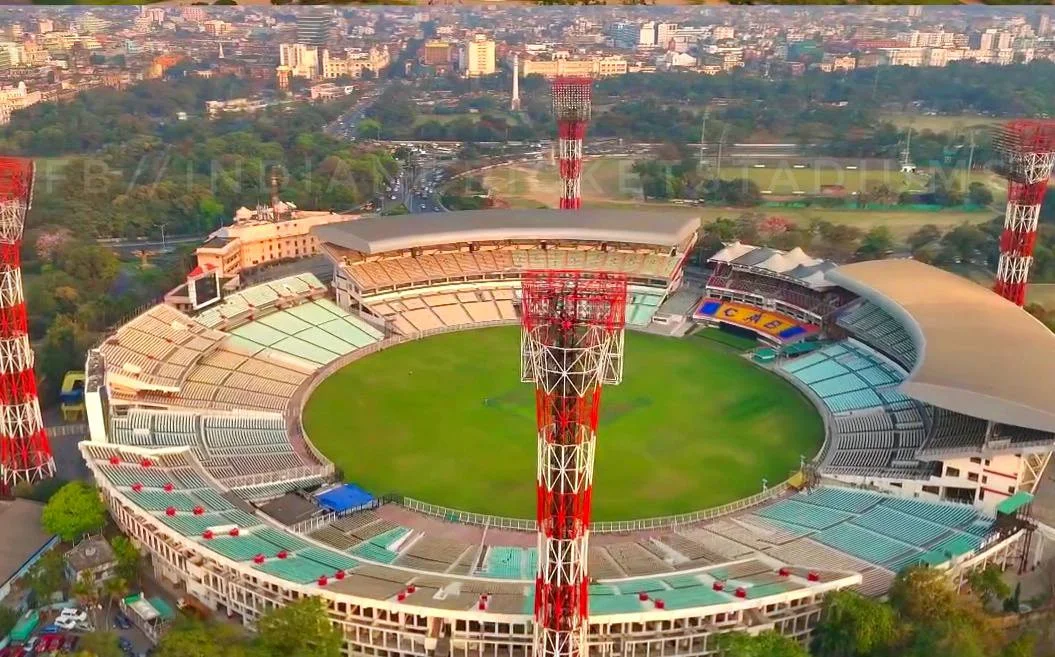
What separates Eden Gardens from many other stadiums is its emotional intensity. The ground does not simply host matches; it amplifies them. Every cheer feels louder, every wicket feels more dramatic, and every partnership feels larger than life. Cricketers often say that the pressure at Eden Gardens is unlike anything else because the crowd becomes an active participant in the game. The audience here understands cricket deeply. They celebrate courage, appreciate technique, and react passionately to every tactical move. A player performing well at Eden Gardens earns not just applause but genuine admiration from a knowledgeable cricket-loving city.
The Electrifying Crowd Atmosphere
The atmosphere at Eden Gardens has become legendary worldwide. During major matches, especially India-Pakistan clashes or IPL encounters involving Kolkata Knight Riders, the stadium transforms into an emotional volcano. Thousands of fans chant in unison, wave flags, beat drums, and create a wall of sound that can unsettle even experienced international cricketers. Television broadcasts rarely capture the true intensity felt inside the ground. Being physically present is like standing in the middle of a thunderstorm made entirely of human emotion.
Former Australian captain Steve Waugh once described playing at Eden Gardens as both intimidating and exhilarating. Many visiting players have admitted that they felt nervous simply walking onto the field because the crowd’s energy was overwhelming. The roar after a wicket or boundary often feels physical, almost like a shockwave moving through the stands. In close matches, the emotional swings inside the stadium become almost cinematic.
The crowd also possesses a unique emotional intelligence. Kolkata fans are famous for applauding brilliance regardless of nationality. Historic examples include spectators standing to appreciate extraordinary performances by foreign players. That level of sporting respect reflects the city’s cultural sophistication and deep understanding of cricket as an art form rather than merely a competition.
At times, the atmosphere has also become controversial. The 1996 Cricket World Cup semifinal between India and Sri Lanka saw crowd disturbances after India’s collapse, leading to one of the darkest moments in the stadium’s history. Yet even that incident reflects how emotionally invested fans are in the game. Cricket in Kolkata is not passive entertainment. It is woven into personal identity, family tradition, and community pride.
Emotional Connection Between Fans and Players
One reason Eden Gardens feels sacred to cricket lovers is the emotional relationship between players and spectators. Great performances here become immortal because the crowd remembers them forever. Fans still passionately discuss innings played decades ago, recalling every cover drive, every spell of spin bowling, and every dramatic turning point with astonishing detail.
Indian cricketers often describe scoring a century at Eden Gardens as one of the greatest experiences of their careers. The stadium rewards courage and resilience in a way few venues can. A player who succeeds here earns lifelong respect because performing under such emotional pressure demands exceptional mental strength.
The connection extends beyond international cricket. Domestic matches, Ranji Trophy games, and IPL encounters also attract emotionally invested crowds. Young cricketers dream of one day hearing thousands chant their name inside Eden Gardens. That dream itself fuels generations of aspiring players across India. Eden Gardens ultimately represents more than cricketing excellence. It symbolizes passion in its purest form. The stadium proves that sports can create collective emotional experiences powerful enough to unite strangers into one roaring heartbeat. That is why Eden Gardens continues to hold an almost spiritual place within Indian cricket culture.
Historic Matches That Changed Cricket Forever
The history of Eden Gardens is filled with iconic contests that shaped not only Indian cricket but the global game itself. Some stadiums host cricket matches; Eden Gardens hosts stories that become legends. Over the decades, the venue has witnessed astonishing comebacks, heartbreaking collapses, career-defining performances, and moments that permanently altered cricket’s narrative. The emotional scale of these matches often feels larger because of the stadium’s intense atmosphere, where every event becomes magnified by the roaring crowd.
For cricket fans, discussing Eden Gardens usually means revisiting unforgettable memories. The stadium has served as the backdrop for some of the most dramatic encounters ever played. These matches are replayed endlessly in documentaries, conversations, and cricket analysis because they captured the raw unpredictability that makes cricket so compelling.
India vs Australia 2001 Test Match
Among all matches played at Eden Gardens, the 2001 Test between India and Australia remains perhaps the most iconic. Cricket historians frequently rank it among the greatest Test matches ever played. Australia entered the contest as a dominant force under Steve Waugh, carrying a world-record streak of sixteen consecutive Test victories. India appeared trapped after being forced to follow on, a situation from which teams rarely recover.
Then came one of the most extraordinary turnarounds in cricket history.
India’s VVS Laxman and Rahul Dravid produced a batting masterclass that transformed despair into belief. Their partnership was not just statistically impressive; it was emotionally overwhelming. The crowd inside Eden Gardens sensed history unfolding and responded with nonstop energy. Every boundary triggered deafening celebrations. Every defensive stroke earned applause because spectators understood the immense pressure facing the batsmen.
The Legendary Laxman-Dravid Partnership
VVS Laxman scored a breathtaking 281, while Rahul Dravid contributed 180 in an epic partnership worth 376 runs. For an entire day, Australia’s world-class bowling attack looked helpless as India slowly reversed the momentum of the match. Laxman’s batting was poetic, filled with elegant wristwork and effortless timing. Dravid provided discipline and resilience, forming the perfect balance to Laxman’s artistry.

What made this partnership magical was the emotional context. India was expected to lose badly. Instead, the team produced one of cricket’s greatest acts of resistance. On the final day, Harbhajan Singh’s spin bowling completed the miracle as India secured an unforgettable victory. The scenes inside Eden Gardens became iconic — fans crying, waving flags, and celebrating as though the stadium itself had come alive.
That match changed Indian cricket psychologically. It proved that India could fight back against dominant opponents under immense pressure. Many experts believe the victory marked the beginning of India’s rise as a confident global cricket power.
The 1987 World Cup Final
Eden Gardens also hosted the final of the 1987 Cricket World Cup, a landmark event because it represented the first time the tournament was held outside England. Australia defeated England in the final, but the significance of the occasion extended far beyond the result. Hosting a World Cup final established India as a major center of international cricket and demonstrated the subcontinent’s enormous passion for the sport.
The crowd turnout and atmosphere amazed global audiences. Broadcasters recognized that cricket’s future commercial and emotional heartbeat increasingly belonged to South Asia. Eden Gardens became symbolic of that transformation. It was no longer just a historic venue; it was now one of the sport’s global capitals.
IPL Classics at Eden Gardens
In the modern era, Eden Gardens has produced numerous unforgettable IPL encounters. The stadium serves as the home ground of Kolkata Knight Riders, one of the Indian Premier League’s most passionately supported franchises. IPL nights at Eden Gardens combine cricket, entertainment, music, and emotion into an electrifying spectacle.
Several last-over thrillers and explosive batting performances have unfolded here. Andre Russell’s brutal six-hitting, Sunil Narine’s mystery spin, and Gautam Gambhir’s leadership all contributed to memorable moments that strengthened the stadium’s IPL legacy. The sea of purple and gold inside the stands creates one of the most visually striking environments in franchise cricket.
These matches continue adding new chapters to Eden Gardens’ already rich history. Every generation experiences its own unforgettable moments here, ensuring the stadium’s legend keeps evolving rather than remaining trapped in nostalgia.
Eden Gardens and the Indian Premier League
When the Indian Premier League revolutionized cricket in 2008, Eden Gardens naturally became one of the tournament’s emotional centers. The stadium’s rich legacy combined perfectly with the IPL’s fast-paced entertainment model, creating an atmosphere unlike anything else in franchise cricket. While the IPL introduced glamour, celebrity ownership, music, and global broadcasting spectacle, Eden Gardens brought something deeper — tradition, emotional investment, and a cricket culture rooted in decades of passion.
As the home of the Kolkata Knight Riders(KKR), Eden Gardens transformed into a fortress filled with purple jerseys, roaring chants, and unwavering loyalty. The relationship between KKR and the city mirrors the emotional connection football clubs share with their communities in Europe or South America. Fans do not merely support the team; they emotionally live every match.
Kolkata Knight Riders and Home Dominance
KKR’s journey in the IPL has experienced dramatic highs and frustrating lows, but Eden Gardens remained the franchise’s emotional backbone throughout. In the early seasons, despite possessing star power and immense popularity, the team struggled for consistency. Yet the crowd never abandoned them. Every home match still attracted enormous support because Kolkata fans value emotional connection as much as trophies.
The turning point arrived under Gautam Gambhir’s leadership. KKR evolved into a disciplined and fearless side that eventually won IPL titles in 2012 and 2014. Eden Gardens became central to that success. Visiting teams often found the atmosphere overwhelming because the crowd created nonstop pressure from the first ball to the last.
One remarkable aspect of KKR’s home support is its diversity. Families, college students, office workers, and elderly cricket enthusiasts all unite under the same colors. During big matches, the stadium resembles a carnival mixed with a battlefield. Music blasts through the speakers, giant screens flash animations, and thousands chant together with astonishing intensity.
The presence of Bollywood superstar Shah Rukh Khan as team owner also added glamour and emotional energy to the franchise. His interactions with fans at Eden Gardens helped deepen the bond between the team and the city. Yet beneath the celebrity appeal lies genuine cricket passion. Kolkata fans demand commitment, resilience, and fighting spirit from their players.
Memorable IPL Performances
Eden Gardens has hosted countless unforgettable IPL performances that remain etched in fans’ memories. Andre Russell’s explosive batting became one of the stadium’s defining modern attractions. Watching Russell launch sixes into the Kolkata night sky feels almost unreal because of the sheer violence and power behind his hitting. The crowd erupts with every strike, creating an atmosphere closer to a rock concert than a traditional cricket match.
Sunil Narine also became a cult hero at Eden Gardens. His mysterious spin bowling repeatedly dismantled opposition batting lineups, while his occasional role as a pinch hitter added unpredictability and excitement. The crowd embraced his unconventional style because Kolkata fans appreciate cricketers who challenge expectations.
Several dramatic last-over finishes have unfolded here as well. Close chases under floodlights become emotionally exhausting because the stadium reacts to every delivery with explosive intensity. One boundary can trigger wild celebrations, while one wicket can silence tens of thousands instantly. That emotional volatility is part of what makes IPL cricket at Eden Gardens so addictive.
The stadium has also hosted IPL playoffs and finals, reinforcing its status as one of India’s premier cricket venues. Broadcasters love showcasing Eden Gardens because the visuals are spectacular — glowing floodlights, passionate supporters, colorful banners, and nonstop energy pouring from every stand. Today, Eden Gardens represents the perfect bridge between cricket’s past and future. It honors traditional cricket culture while embracing modern entertainment. The result is an experience that feels timeless yet contemporary at the same moment.
The Pitch Conditions and Playing Style
Eden Gardens is not only famous for its atmosphere and history; it is equally respected for the fascinating character of its pitch. Over the decades, the playing surface at the stadium has evolved dramatically, adapting to changes in cricket formats, weather patterns, and strategic demands. Yet one thing has remained constant — the pitch at Eden Gardens often becomes an important storyteller within the match itself. Captains, coaches, and analysts spend hours discussing how the surface might behave because understanding the Eden Gardens pitch can significantly influence the outcome of a game.
Unlike some cricket grounds where conditions remain predictable, Eden Gardens possesses a personality that changes with time and circumstance. A Test match wicket here may begin favoring batsmen before gradually assisting spin bowlers later in the game. During limited-overs cricket, especially IPL matches, the pitch often becomes more batting-friendly under lights, encouraging aggressive stroke play and high-scoring thrillers. This unpredictability adds strategic complexity and keeps players constantly alert.
Spin-Friendly Reputation
Historically, Eden Gardens earned a reputation for assisting spin bowlers, especially during longer formats of the game. Legendary Indian spinners such as Bishan Singh Bedi, Anil Kumble, and Harbhajan Singh produced memorable performances on this surface because the pitch traditionally offered turn and bounce as matches progressed. Watching quality spin bowling at Eden Gardens can feel almost hypnotic. The ball drifts through the air, grips the surface, and suddenly changes direction sharply enough to outsmart even experienced batsmen.
The stadium’s connection with spin bowling became deeply symbolic during India’s famous 2001 Test victory against Australia. Harbhajan Singh exploited the conditions brilliantly, using bounce and spin to dismantle one of the strongest batting lineups in cricket history. His hat-trick in that match remains one of Indian cricket’s most celebrated moments.
Modern pitch preparation has slightly reduced the extreme spin-friendly nature of the wicket, especially because broadcasters and tournament organizers prefer balanced surfaces that encourage competitive contests. Yet traces of the old Eden Gardens personality remain visible. Spinners still play a crucial role here, particularly during slower phases of matches when batsmen attempt to accelerate scoring under pressure.
The surface also rewards intelligent batting rather than reckless aggression. Batsmen who succeed at Eden Gardens usually combine patience with timing. Elegant stroke-makers often thrive because the outfield is fast and boundaries can come quickly once players settle into rhythm. This balance between batting beauty and bowling strategy gives the ground its unique cricketing character.
How Weather Influences Matches
Kolkata’s weather significantly affects playing conditions at Eden Gardens. The city’s humid climate creates challenges for both players and pitch curators. During summer months, heat and moisture can make the surface slower, especially in afternoon matches. Bowlers often struggle physically because the humidity drains energy rapidly, while fielders battle exhaustion under intense temperatures.
One of the most fascinating aspects of cricket at Eden Gardens is the role of dew during evening games. In IPL and ODI matches played under lights, dew frequently settles on the outfield and ball during the second innings. This creates difficulties for bowlers, especially spinners, because gripping a wet ball becomes extremely challenging. Captains winning the toss often choose to bowl first to exploit this advantage while chasing under easier batting conditions later.
Rain also plays a major role in Kolkata cricket culture. Sudden showers are common during certain seasons, and Eden Gardens’ advanced drainage system has become crucial for minimizing delays. The stadium management invested heavily in modern drainage technology, allowing matches to resume quickly even after substantial rainfall. This improvement became especially important in the era of packed international schedules and television broadcasting commitments.
The combination of weather, pitch behavior, and crowd intensity creates a uniquely dramatic cricketing environment. Every session at Eden Gardens feels alive with possibility because conditions can shift rapidly. A batting paradise can suddenly become difficult for stroke play. A quiet crowd can erupt within seconds after one key wicket. That unpredictability keeps both players and spectators emotionally invested from start to finish.
Tourist Experience at Eden Gardens
Visiting Eden Gardens is far more than attending a cricket match. For many travelers, especially cricket enthusiasts, stepping inside this iconic stadium feels like entering sacred sporting territory. The experience combines architecture, history, emotion, and cultural immersion in a way few venues around the world can match. Whether someone arrives as a devoted cricket fan or simply as a curious tourist exploring Kolkata, Eden Gardens leaves a lasting impression because the stadium reflects the heartbeat of the city itself.
Located near the banks of the Hooghly River in central Kolkata, the stadium sits within a vibrant urban landscape filled with colonial architecture, bustling streets, food vendors, and cultural landmarks. The journey to the stadium often becomes part of the adventure. As match day approaches, the surrounding area slowly transforms into a carnival atmosphere where fans wearing team jerseys flood the roads, street sellers wave flags and posters, and chants echo through the air long before the first ball is bowled.
Best Time to Visit
The best time to visit Eden Gardens depends largely on the type of experience a traveler wants. Cricket season in India generally peaks between October and May, when international matches, domestic tournaments, and IPL fixtures frequently take place. For those seeking maximum atmosphere and excitement, attending an IPL night match is an unforgettable experience. The floodlights, music, packed stands, and nonstop energy create a spectacle that feels larger than sport itself.
Test matches at Eden Gardens offer a completely different but equally fascinating experience. These games unfold over several days, allowing visitors to absorb the tactical beauty of cricket at a slower pace. Watching a Test match here feels almost literary because the crowd reacts intelligently to strategy, patience, and technical skill. Cricket conversations flow continuously through the stands as strangers passionately debate field placements, bowling changes, and batting techniques.
Winter months between November and February are especially pleasant for tourists because Kolkata’s weather becomes cooler and more comfortable. Exploring the city before or after a match is far easier during this period. The atmosphere around Eden Gardens during major international fixtures is electric, with media crews, celebrity appearances, and enthusiastic crowds creating a festival-like environment.
Visitors should ideally book tickets early because high-profile matches often sell out quickly. Seating options range from general stands filled with intense local energy to premium hospitality areas offering more comfort and panoramic views of the ground. Regardless of seating category, the emotional energy inside the stadium remains impossible to ignore.
Nearby Attractions in Kolkata
One of the advantages of visiting Eden Gardens is its location near several of Kolkata’s most important attractions. Travelers can easily combine a cricket experience with broader exploration of the city’s rich cultural heritage.
Just a short distance away lies the iconic Victoria Memorial, a stunning white marble monument surrounded by beautifully landscaped gardens. The structure reflects Kolkata’s colonial history and remains one of India’s most photographed landmarks. Nearby, the Howrah Bridge stands as another symbol of the city, carrying massive daily traffic while overlooking the Hooghly River with timeless elegance.
Food lovers visiting Eden Gardens are also in for a treat. Kolkata is famous for its street food culture, and match days create the perfect opportunity to sample local favorites like kathi rolls, puchka, jhal muri, and traditional Bengali sweets such as rosogolla and sandesh. The city’s culinary identity is deeply connected to its emotional personality — rich, expressive, and impossible to forget.
Tourists interested in literature and culture can explore College Street, Indian Coffee House, and various historic bookstores that shaped Bengal’s intellectual tradition. This blend of cricket, food, history, and art gives Kolkata a unique atmosphere rarely found elsewhere. Eden Gardens ultimately acts as both a sports venue and a gateway into the soul of Kolkata. Visiting the stadium helps travelers understand why cricket occupies such an emotional place in Indian society. It is not simply a game here. It is memory, conversation, celebration, heartbreak, and identity all rolled into one extraordinary experience.
The Cultural Importance of Eden Gardens
Eden Gardens holds a place in Indian culture that extends far beyond boundaries, scoreboards, and trophies. The stadium has become a symbol of Kolkata’s emotional personality and India’s enduring love affair with cricket. Generations have grown up listening to stories about unforgettable matches played here, and families often pass those memories down like treasured heirlooms. In many ways, Eden Gardens functions as a cultural archive where sporting history and public emotion merge together.
The stadium’s importance lies not just in what happened on the field but in what it represented socially and emotionally. During moments of political uncertainty, economic change, and cultural transformation, cricket at Eden Gardens often served as a shared emotional language connecting millions of people. Rich and poor, young and old, students and professionals — everyone could gather under one roof and lose themselves in the drama unfolding on the pitch.
Cricket as Religion in Kolkata
People often describe cricket in India as a religion, but in Kolkata, that comparison feels especially accurate. Match days at Eden Gardens resemble massive public rituals filled with chants, emotion, devotion, and collective belief. Fans prepare for games with remarkable intensity, discussing team combinations, pitch conditions, and player form for days beforehand.
The emotional investment runs incredibly deep because cricket here is tied closely to regional identity and pride. Kolkata fans are famous for their loyalty and knowledge of the sport. They appreciate technical excellence and emotional resilience equally. A player who fights bravely for the team earns lifelong admiration, even during defeat.
Children in Kolkata frequently grow up dreaming of playing at Eden Gardens one day. Local cricket grounds across the city are filled with young players trying to imitate their heroes, imagining the roar of the Eden crowd after hitting a winning boundary. The stadium becomes both inspiration and aspiration, fueling cricket culture throughout eastern India.
Media, Cinema, and Literary References
Eden Gardens has also become deeply embedded in Indian media, cinema, and literature. Countless documentaries, sports programs, newspaper columns, and cricket books reference the stadium as a place of drama and destiny. Writers often describe the venue poetically because ordinary sporting language sometimes feels insufficient to capture its emotional scale.
Bollywood films and Bengali cinema have frequently used cricket imagery associated with Eden Gardens to symbolize ambition, pressure, and passion. Television broadcasts regularly focus on crowd reactions because the spectators themselves become part of the spectacle. The emotional faces in the stands often tell stories as powerful as the action on the field.
Sports journalists around the world continue to romanticize Eden Gardens because it represents a rare combination of historical weight and emotional intensity. Very few stadiums maintain such strong cultural relevance across multiple generations. The venue continues evolving with modern cricket while preserving the emotional atmosphere that made it legendary in the first place.
Eden Gardens ultimately represents more than architecture or sporting achievement. It symbolizes how deeply sport can shape collective identity. The stadium reminds people that cricket is not merely played in India — it is lived emotionally, culturally, and spiritually.
Conclusion
Calcutta Eden Gardens stands as one of cricket’s greatest monuments, a stadium where history breathes through every stand and every roar from the crowd carries decades of passion. From its colonial origins to its modern IPL spectacles, Eden Gardens has consistently remained at the center of Indian cricket culture. Few venues in the world can match its emotional intensity, historic significance, and cultural impact.
The stadium’s greatness comes not only from the legendary matches played there but from the people who fill its seats generation after generation. Fans transformed Eden Gardens into more than a sporting arena. They turned it into a living symbol of hope, pride, resilience, and celebration. Great cricketers became immortal here because the crowd elevated ordinary performances into unforgettable memories.
Whether someone visits for a historic Test match, a thrilling IPL encounter, or simply to experience cricket culture in its purest form, Eden Gardens leaves a permanent mark on the heart. It reminds the world that sports venues can become sacred spaces when millions pour emotion into them over time. As cricket continues evolving in the modern era, Eden Gardens remains timeless — a roaring cathedral where the soul of Indian cricket continues to thrive.
Written by