
Defence Minister Rajnath Singh Pushes for Enhanced Public-Private Partnership to Accelerate India’s Sports Economy
Defence Minister Rajnath Singh speaks on enhanced public-private partnership initiatives aimed at boosting India’s sports economy during a sports event in New Delhi.
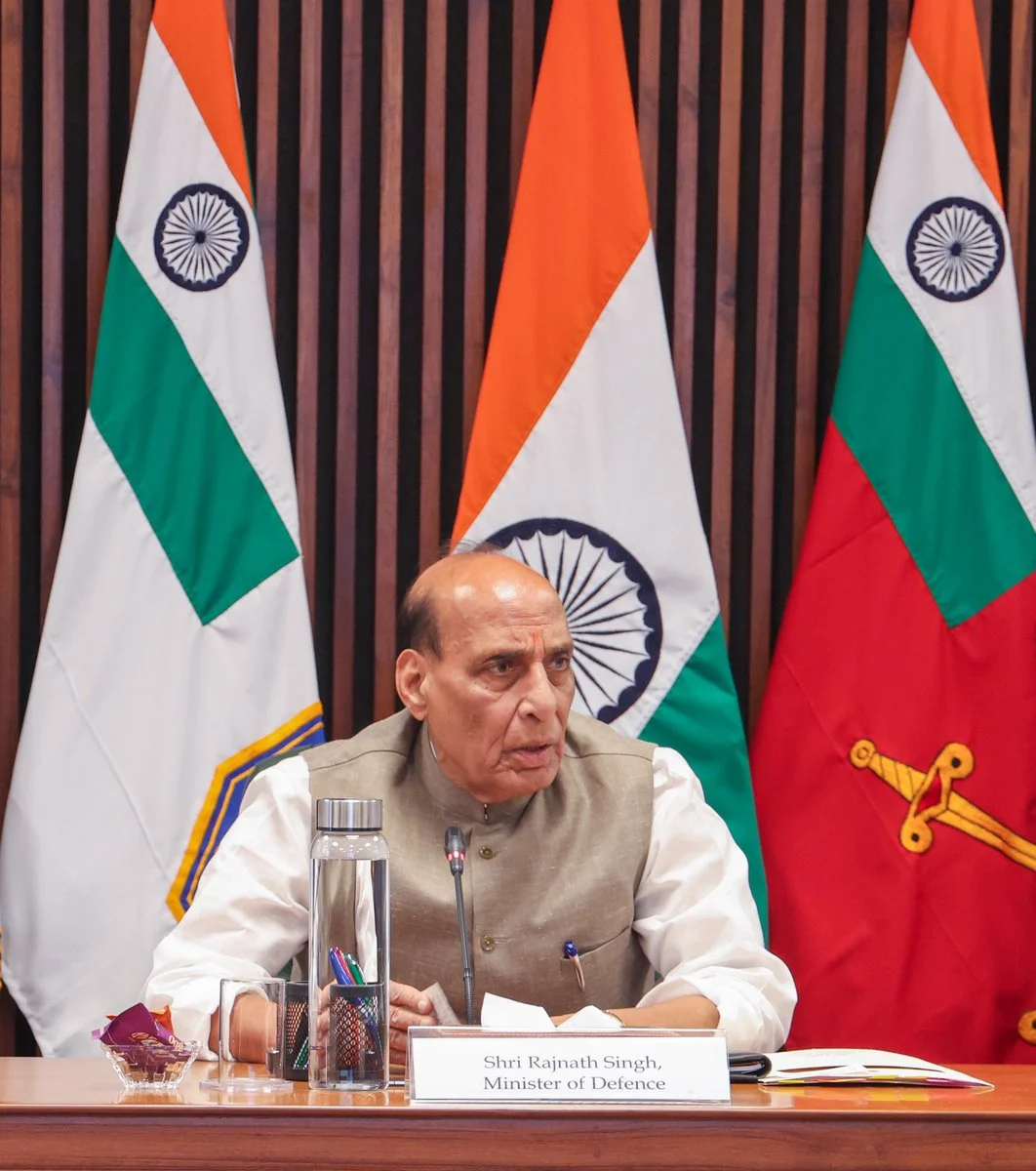
Defence Minister Rajnath Singh has called for an enhanced public-private partnership model to strengthen India’s sports economy, stating that deeper collaboration between government institutions, industry stakeholders, and sporting bodies will be critical to India’s rise as a global sporting nation.
Speaking during the final of the Aditya Birla Memorial Polo Cup in New Delhi, Rajnath Singh said the government has already laid the foundation for a stronger sporting ecosystem through initiatives such as Khelo India, the Target Olympic Podium Scheme (TOPS), and expanded sports infrastructure projects across the country.
“The Government, through a series of initiatives, is fostering a sports culture within the country where athletes and youth have access to opportunities, resources and respect,” Singh said during his address.
The Defence Minister emphasised that India’s sports economy now requires structured private investment and long-term institutional partnerships to compete globally. He stated that private sector participation can bring professional management practices, sustainable athlete development systems, world-class infrastructure, and advanced training support into Indian sport.
Singh further noted that the same public-private partnership model that accelerated growth in industrialisation, technology, and education could also transform India’s sports economy into a major global sector.
The remarks come at a time when India is aggressively expanding its sports infrastructure ambitions ahead of future global sporting opportunities, including the country’s long-term Olympic aspirations. The government has simultaneously increased focus on governance reforms, transparency mechanisms, and grassroots athlete development programs
Rajnath Singh also referenced the proposed National Sports Governance Act and the Khelo Bharat Policy, saying the measures are expected to improve accountability and create stronger institutional frameworks for athletes and federations.
India’s sports economy has witnessed significant commercial growth over the last decade through the rise of franchise leagues, digital broadcasting ecosystems, Olympic investments, and private academy networks. However, analysts continue to point out gaps in grassroots infrastructure, talent identification systems, and long-term funding sustainability outside cricket.
Sportscape feelsthat Rajnath Singh’s call for enhanced public-private partnership reflects a larger policy transition where India’s sports economy is increasingly being treated as a strategic growth industry rather than only a competitive sector. If executed effectively, deeper collaboration between government institutions and private stakeholders could become one of the defining factors in India’s ambitions to emerge as a global multi-sport powerhouse over the next decade.
Written by

Anushka Raghav is an Editor at Sportscape Magazine, where she covers the intersection of sports business, governance, policy, technology, and infrastructure. Having written over 200 news stories and editorial features, she focuses on the ideas, institutions,…