
Enhanced Games Unveil New Era of ‘Steroid Olympics’ With Global Streaming Push and Record Prize Money
Enhanced Games reveal a new version of the controversial Steroid Olympics with global streaming, elite athletes, and medically supervised performance enhancement.
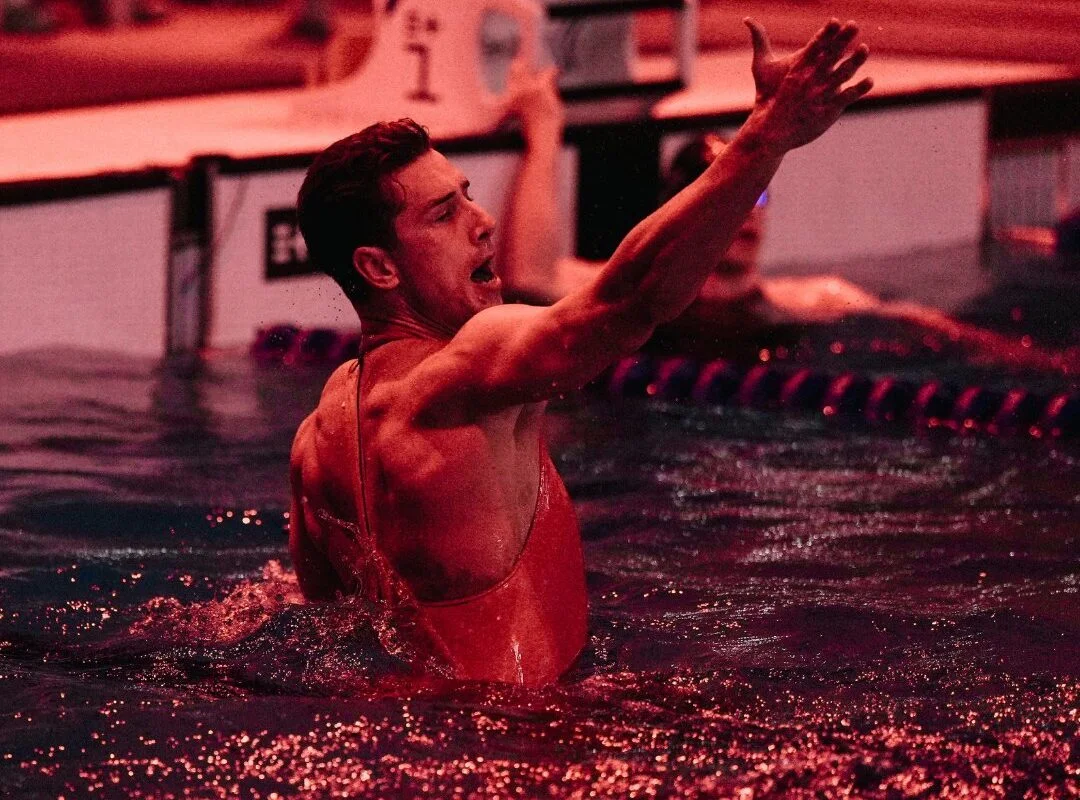
The controversial Enhanced Games project has officially unveiled its latest version of competition, intensifying global debate around what critics have labelled the “Steroid Olympics.” Organisers used a new promotional rollout and live event showcase in Las Vegas to position the competition as a “science driven” alternative to traditional Olympic sport, openly allowing medically supervised performance enhancement.
According to official announcements and promotional material shared by the organisation, the revamped Enhanced Games format includes swimming, athletics, weightlifting, and combat related performance events with significantly larger prize pools, direct to consumer streaming, and creator led athlete storytelling. The event has also introduced stronger digital integration through YouTube, Roku TV, and social media livecasts aimed at younger global audiences.
The organisers claim the new version of the competition is built around “medical transparency” and athlete monitoring rather than traditional anti doping restrictions. Athletes are reportedly permitted to use FDA approved performance enhancement substances under supervision from doctors and scientific advisors linked to the event.
The Enhanced Games have attracted major international attention due to participation from former Olympians, elite swimmers, sprinters, and strength athletes. Greek swimmer Kristian Gkolomeev recently made headlines after clocking an unofficial 50m freestyle time faster than the recognised world record while competing at the event. Organisers celebrated the swim as proof of the project’s performance potential, although global governing bodies refused to recognise the mark officially.
The event has simultaneously triggered criticism from anti doping authorities, medical experts, and Olympic officials. The World Anti Doping Agency and multiple international sports federations have warned that the “Steroid Olympics” model could endanger athlete welfare and damage the integrity of professional sport. Critics also questioned the long term health implications of openly encouraging enhanced performance competition.
However, organisers including founder Aron D’Souza and CEO Maximilian Martin continue defending the project as a “future focused sports movement” designed around human optimisation, athlete freedom, and entertainment innovation. Investors connected to the project reportedly include several Silicon Valley and biotechnology figures interested in performance science and longevity industries. Sports business analysts believe the latest rollout shows the Enhanced Games are positioning themselves not only as a sports competition, but also as a broader media, wellness, and biohacking brand targeting digitally native audiences.
Sportscape feelsthat the Enhanced Games are evolving into one of the most disruptive and polarising projects modern sport has seen in decades. Whether viewed as innovation or controversy, the Steroid Olympics debate is forcing global sport to confront uncomfortable questions around technology, enhancement, entertainment, and the future limits of human performance.
Written by

Anushka Raghav is an Editor at Sportscape Magazine, where she covers the intersection of sports business, governance, policy, technology, and infrastructure. Having written over 200 news stories and editorial features, she focuses on the ideas, institutions,…