
Ghana Sports Minister Applauds Gambia’s Multi-Million Dalasi Investment in Youth and Sports Development
Ghana’s Sports Minister has praised the Gambia government for its strong political will and financial commitment to advancing sports development.
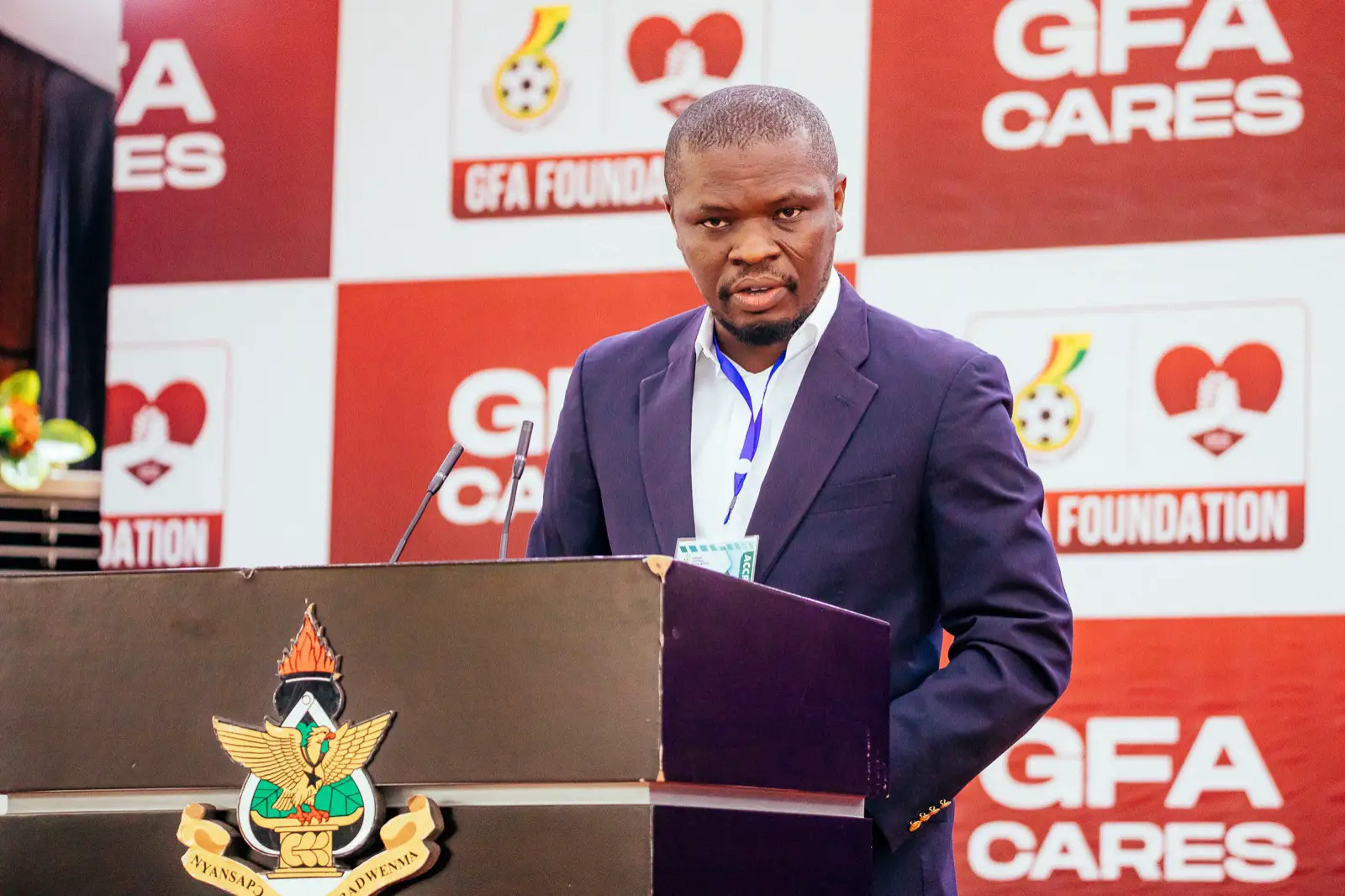
Where sports is doesn’t remain a topic to talk instead becomes a rhythm to bridge the gap between nations, Ghana’s top sports official has highlighted The Gambia’s rising prominence in African sports development, describing it as a model of political will and progressive policy.
At the 8th Association of International Sports Press (AIPS) Africa Congress in Bijilo, The Gambia, Ghana’s Minister of Sports, Hon. Kofi Iddie Adams, commended President Adama Barrow’s administration for its robust backing of sports development and youth empowerment. Adams noted that The Gambia’s leadership is putting the pace foward and is making it evident in its new national sports policy, advancing sports bill, and strong cooperation with continental and international sports bodies to attain sustainable growth of sport across society.
“The building blocks of long-term sports development are in place,” the Ghanaian minister said, highlighting the value of hosting a major continental media event in The Gambia and recognising the role of sports journalism in accountability and growth.
Sports Infrastructure & Institutional Growth in The Gambia
The country has proactively validation of a five-year National Youth and Sports Strategic Plan, aligning youth empowerment with broader development goals. The Ministry allocated D6.5 million (about GMD 6,500,000) directly to 17 community sports committees to upgrade local facilities including lighting, pavilions, fencing, and other infrastructure across Kanifing, West Coast, North Bank, Lower River, and Upper River.
An additional D7 million was earmarked for the Gambia National Olympic Committee to support African School Games participation and basketball and football teams.
In a broader strategic move, federations and athletes received over D15 million for training and international competition, including funding for the national football team’s training camp and youth teams’ overseas tournaments.
These efforts reflect a growing emphasis on sports as a vehicle for employment, community engagement, and national pride.
Written by