
Forbidden Freedom: Why FIFA Forced Haiti into a Last-Minute Kit Redesign Before Their Historic World Cup Return
Just days before their first World Cup match in 52 years, the Haiti National Football Team has been ordered to strip revolutionary war imagery from their official jerseys.
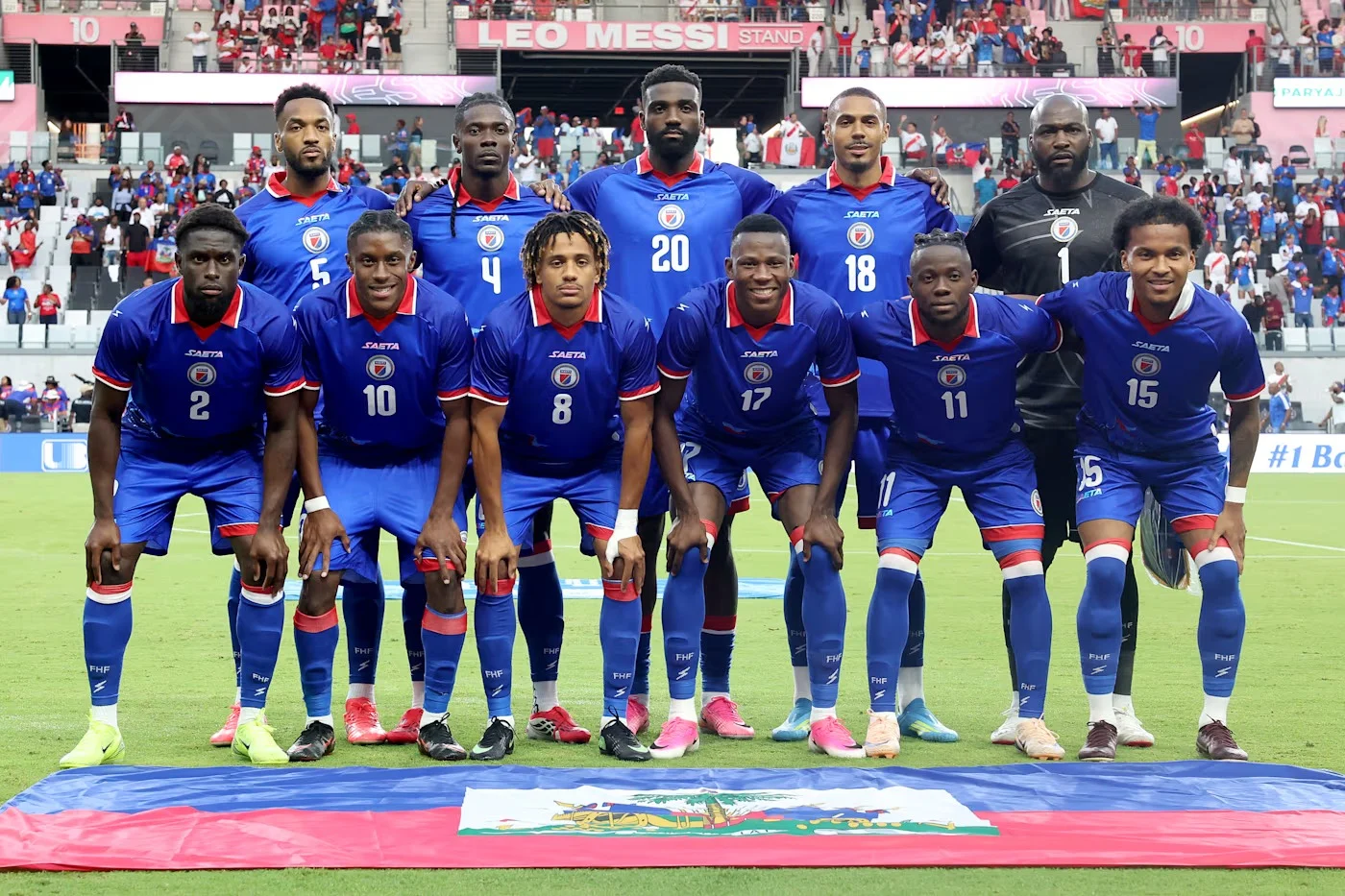
Haiti National Football Team gets ready to take to the field for their debut appearance in the World Cup after almost half a century. However, rather than being totally absorbed by the Group C opening match against the Scottish team this Sunday, June 14, the Caribbean nation faces another kind of battle altogether.
In a highly disputed administrative move, FIFA has forced Haiti to change the design of its jerseys altogether, deeming it too “political.”
What the Original Design Signified
The jerseys are designed by the Colombian sportswear company Saeta, and the initial design featured a detailed graphic on the right hip depicting the Battle of Vertières in 1803.
The symbolism in the jerseys carries far greater significance than mere aesthetics for Haitians, as it is at the core of their national identity. The Battle of Vertieres was the decisive and final battle fought during the Haitian Revolution. This was the historical event where the slaves defeated the superior French forces led by Napoleon Bonaparte, declaring independence and forming the first Black nation in history.
Furthermore, qualifying for FIFA 2026 on November 18, 2025, happened by breaking all records; the team managed to do so by coinciding the date with the historical date of the aforementioned battle.
Why FIFA Deemed It Controversial
Even though Saeta had collaborated with the governing organization for several months, the company faced a compulsory directive while making the mandatory equipment inspection.
According to the equipment rules of FIFA, the equipment carrying political expressions, military images, and war symbolism is prohibited in order to ensure institutional neutrality. The depiction of the battlefield by Saeta was considered a political gesture rather than a cultural one. "The final design was intended as a tribute to the men and women who contribute every day to Haiti's future, not as a political statement. While this interpretation differed from our intention, we have implemented the changes." — Saeta Official Statement via Instagram.
The Cultural Backlash
The announcement sparked heated discussion throughout World Football. Activists have called the organisation’s decision culturally insensitive, noting the great irony behind banning a country from using imagery relating to their liberation from slavery.
What is more, the scandal resembles yet another act of oppression coming from an institution; only a few months ago, the International Olympic Committee ordered Haiti to paint over images of founding father Toussaint Louverture on their winter uniform.
Sportscape feels that in spite of the conflict in the offices, the team should not lose heart. Withstanding severe violence in the country of their origin, which prevented them from holding any matches there, just reaching North America becomes a great achievement. Even deprived of their art of rebellion, the team will bring its fighting spirit onto the field.
Written by