
Maharaja Yadavindra Singh International Cricket Stadium: A Modern Marvel of Indian Cricket
Explore Maharaja Yadavindra Singh International Cricket Stadium, India’s modern cricket marvel, featuring world-class infrastructure, massive capacity, and a growing role in shaping the future of international cricket.
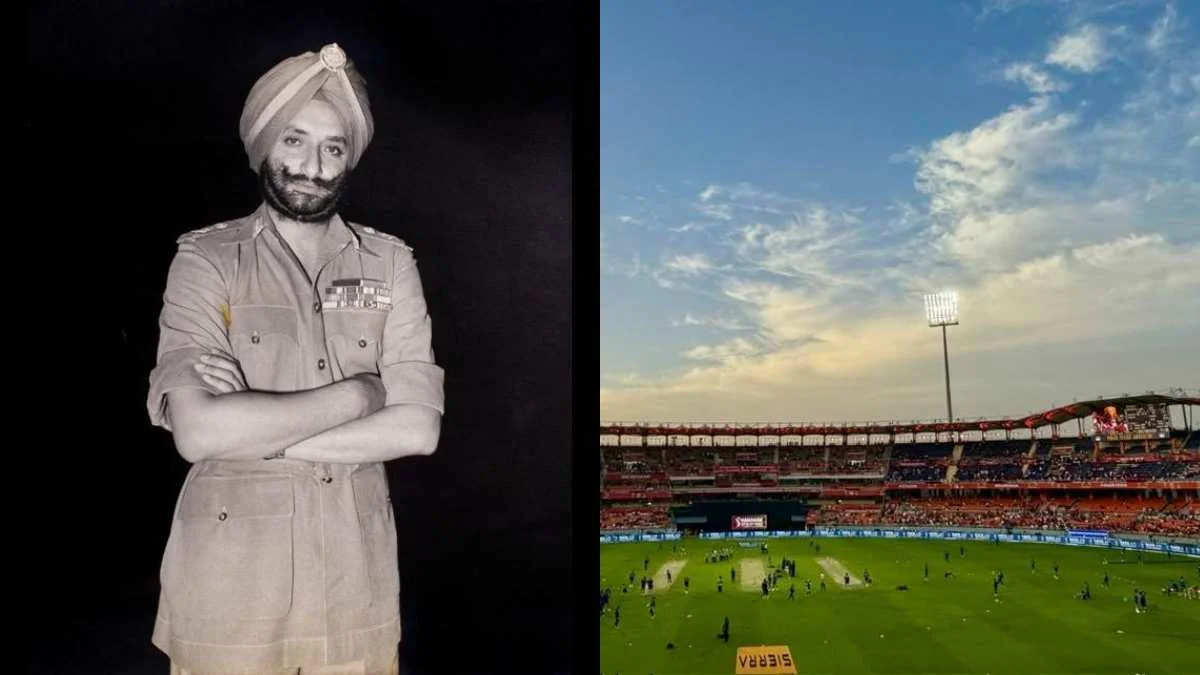
The Maharaja Yadavindra Singh International Cricket Stadium is not just another addition to India’s already impressive list of cricket venues—it represents a bold step toward the future of sports infrastructure in the country. Located in Mullanpur, near Chandigarh, this stadium has quickly gained attention for its modern design, world-class facilities, and the promise it holds for hosting major cricketing events. If you’ve been following cricket developments in India, you’ve probably heard whispers about this venue becoming the next big thing—and honestly, those whispers aren’t exaggerated. What makes this stadium stand out is how it blends tradition with innovation. India has always had iconic cricket grounds like Eden Gardens and Wankhede, but newer stadiums like this one are rewriting the playbook. They’re not just places to watch a match—they’re immersive experiences. From advanced drainage systems that minimize rain delays to spectator-friendly seating that ensures a great view from almost every angle, everything here has been designed with precision. Another interesting aspect is the emotional connection tied to its name. Named after Maharaja Yadavindra Singh, the last ruling Maharaja of Patiala and a significant figure in Indian cricket administration, the stadium carries a legacy that goes beyond just bricks and mortar. It’s a tribute to someone who played a role in shaping Indian cricket during its formative years. And let’s be real—cricket in India isn’t just a sport; it’s a shared language. Stadiums like this one are where stories unfold, where underdogs rise, and where fans create memories that last a lifetime. This venue is poised to become one of those storytelling arenas, and it’s only getting started.
Why This Stadium Matters Today
In today’s fast-evolving cricket landscape, having state-of-the-art infrastructure isn’t a luxury—it’s a necessity. The Maharaja Yadavindra Singh International Cricket Stadium arrives at a time when India is not only hosting more international matches but also expanding leagues like the IPL, which demand world-class venues. This stadium isn’t just filling a gap; it’s raising the bar. One of the biggest reasons it matters is its strategic location. Positioned near Chandigarh, it serves a massive cricket-loving population across Punjab, Haryana, and Himachal Pradesh. Previously, fans in these regions often had to travel long distances to cities like Delhi or Mohali for major matches. Now, they have a world-class venue almost at their doorstep. That shift alone is significant—it democratizes access to live cricket. There’s also the economic angle. Large stadiums tend to act as growth engines for their surrounding areas. Hotels, restaurants, transport services, and local businesses all benefit when matches are hosted. Early reports and projections suggest that this stadium could generate substantial revenue and employment opportunities in the region, making it more than just a sports facility. From a cricketing perspective, it offers fresh pitch conditions, which is always exciting. New venues often bring unpredictability—will it favor batsmen or bowlers? Will spinners dominate, or will pacers thrive under lights? These unknowns add a layer of intrigue that fans and players both enjoy. And then there’s the future. With India eyeing more global tournaments and expanding its cricketing footprint, venues like this one are essential. They’re not just built for today’s matches but for tomorrow’s milestones.
Historical Background
The story behind the Maharaja Yadavindra Singh International Cricket Stadium isn’t just about construction timelines and budgets—it’s deeply tied to legacy, identity, and the evolution of cricket in northern India. While the stadium itself is a modern creation, its roots stretch back into a time when cricket in India was still finding its feet, supported by royal patrons and visionaries who saw the sport as more than just a colonial pastime. This connection gives the stadium a narrative richness that many newer venues lack. Punjab has always had a passionate cricket culture, but for years, Mohali’s PCA Stadium carried the weight of hosting major matches in the region. As cricket’s popularity surged and infrastructure demands increased, the need for a new, larger, and more advanced venue became evident. That’s where this stadium enters the picture. Built with the intent of not just supplementing but eventually redefining cricketing standards in the region, it represents a shift toward long-term planning in Indian sports infrastructure. The decision to name the stadium after Maharaja Yadavindra Singh wasn’t symbolic alone—it was intentional and meaningful. It reflects a recognition of the role played by influential figures who supported cricket during its formative years in India. Unlike many modern naming conventions driven by sponsorship deals, this name carries historical weight, grounding the stadium in a narrative that resonates with tradition and respect. Construction itself wasn’t without challenges. Large-scale infrastructure projects in India often face delays due to regulatory approvals, funding logistics, and environmental considerations. Yet, despite these hurdles, the stadium was completed with a clear focus on quality and future-readiness. Engineers and planners emphasized durability, scalability, and adaptability—ensuring that the venue wouldn’t just meet current ICC standards but remain relevant for decades. Another fascinating aspect is how this stadium fits into the broader timeline of Indian cricket. Over the years, the country has transitioned from relying on a handful of iconic grounds to developing a network of world-class venues across different states. This decentralization allows more regions to participate actively in hosting international cricket, strengthening the sport’s grassroots connection. The Maharaja Yadavindra Singh Stadium is a crucial piece of that puzzle. Ultimately, its historical significance lies not just in whom it is named after, but in what it represents—a bridge between cricket’s past and its rapidly evolving future in India.
Who Was Maharaja Yadavindra Singh?
To truly appreciate the significance of the stadium’s name, you need to understand who Maharaja Yadavindra Singh was and why his legacy still matters today. He wasn’t just a royal figure; he was a sports enthusiast, an administrator, and someone who played a pivotal role in shaping early Indian cricket. Born into the royal family of Patiala, he inherited not only power and influence but also a responsibility to contribute meaningfully to society—and cricket became one of his chosen avenues. Yadavindra Singh served as the President of the Board of Control for Cricket in India (BCCI) during a critical phase when the organization was still evolving. This was a time when Indian cricket lacked the financial strength and global dominance it enjoys today. His leadership helped stabilize and guide the board, ensuring that the sport continued to grow despite various challenges. It’s easy to forget how fragile cricket administration once was in India, but figures like him provided the foundation for what we see today.

Beyond administration, he was also known for promoting sports culture in Punjab and across northern India. His patronage extended to facilities, training, and encouraging young talent. In many ways, he understood the power of sports as a unifying force long before it became a widely accepted idea. That vision aligns perfectly with what this stadium aims to achieve—bringing people together through cricket. There’s also a symbolic layer to naming the stadium after him. In an era where commercial naming rights dominate, choosing to honor a historical figure reflects a commitment to preserving heritage. It reminds fans that cricket’s journey in India wasn’t always driven by billion-dollar leagues and broadcasting deals; it was nurtured by individuals who believed in its potential.
Interestingly, his legacy continues to influence cricket in subtle ways. Many institutions, traditions, and administrative practices in Indian cricket trace their origins back to leaders of his era. So when fans walk into this stadium, they’re not just entering a modern arena—they’re stepping into a space that carries echoes of cricket’s formative years in India. That blend of history and modernity is what makes the Maharaja Yadavindra Singh International Cricket Stadium more than just a venue. It’s a tribute, a continuation, and a bold statement about where Indian cricket has come from—and where it’s headed.
Location and Accessibility
One of the standout advantages of the Maharaja Yadavindra Singh International Cricket Stadium is its strategic location in Mullanpur, near Chandigarh, a region that sits at the crossroads of Punjab and Haryana. If you’ve ever traveled through this part of India, you’ll know it’s a well-planned area with wide roads, relatively organized traffic, and a growing urban infrastructure. Placing a world-class stadium here wasn’t accidental—it was a calculated move to maximize accessibility while avoiding the congestion that plagues older city centers. For cricket fans, location can make or break the match-day experience. No one wants to spend hours stuck in traffic or navigating chaotic public transport just to watch a game. This stadium addresses that concern by being positioned slightly outside the main city, allowing for smoother traffic flow and better crowd management. It’s close enough to Chandigarh to remain convenient, yet far enough to avoid the typical urban bottlenecks. Another factor working in its favor is regional connectivity. Chandigarh is already a major hub with strong road, rail, and air links. Fans from neighboring states like Himachal Pradesh, Haryana, and even parts of Delhi NCR can reach the stadium without much hassle. This effectively expands the stadium’s catchment area, making it a central destination for cricket lovers across North India. The surrounding infrastructure is also evolving rapidly. With the stadium acting as a catalyst, there has been increased focus on developing roads, parking facilities, and nearby commercial zones. This kind of ecosystem growth is common around major sports venues and often leads to long-term urban development benefits. It’s not just about match days; it’s about creating a sustainable environment that thrives year-round. What’s particularly interesting is how this location balances accessibility with scalability. Unlike older stadiums boxed into dense city layouts, this one has room to grow—whether that means expanding seating capacity, adding training facilities, or enhancing fan zones. That flexibility ensures it won’t outgrow its surroundings anytime soon.
Connectivity and Transportation Options
Getting to the Maharaja Yadavindra Singh International Cricket Stadium is designed to be as straightforward as possible, which is a huge win for fans. The stadium benefits from well-developed road networks, including highways that connect Chandigarh to major cities like Delhi, Ludhiana, and Shimla. If you’re driving, you’ll find the journey relatively smooth, especially compared to navigating older urban stadiums where narrow roads and heavy congestion are the norm. Public transportation is also a key part of the accessibility plan. Chandigarh’s bus network extends toward Mullanpur, and special shuttle services are often expected to operate during major matches. These shuttles can significantly reduce the hassle of finding parking, which is often one of the biggest pain points for spectators. Speaking of parking, the stadium has been designed with ample space to accommodate a large number of vehicles—a detail that might seem minor until you’ve experienced the chaos of inadequate parking at other venues. For those traveling from farther away, Chandigarh International Airport is the nearest air hub, located within a reasonable driving distance. This makes it convenient not just for fans but also for players, officials, and media personnel. The presence of a major airport nearby is a significant advantage when it comes to hosting international matches, as it simplifies logistics considerably. Rail connectivity is another strong point. Chandigarh Railway Station is well-connected to major cities across India, and from there, reaching the stadium is a short drive. This multi-modal accessibility—combining road, rail, and air—ensures that fans have multiple options depending on their preferences and budgets. What really stands out is the thought given to crowd management. Large events can easily turn chaotic if transportation isn’t planned properly, but here, the infrastructure seems designed to handle high volumes efficiently. Dedicated entry and exit routes, traffic control measures, and coordinated transport services all contribute to a smoother experience. In many ways, the ease of الوصول (access) to this stadium reflects its broader philosophy: cricket should be enjoyable from the moment you leave your home to the moment you return. And with this level of connectivity, it’s well on its way to delivering exactly that.
Architectural Design and Infrastructure
The Maharaja Yadavindra Singh International Cricket Stadium doesn’t just aim to host cricket—it aims to redefine how a modern cricket venue should look and function. From the very first glance, the stadium gives off a sense of scale and precision that feels intentional rather than overwhelming. Unlike some older venues that evolved over time with piecemeal upgrades, this one has been designed from the ground up with a cohesive architectural vision. And you can feel that unity in everything from the seating arrangement to the way natural light flows across the field. What makes the architecture particularly compelling is how it balances aesthetics with practicality. Stadium design often falls into the trap of focusing too much on visual appeal while neglecting usability, but here, both aspects seem to work in harmony. The structure is built to ensure optimal sightlines, meaning fans don’t have to crane their necks or rely on giant screens to follow the action. Whether you’re seated near the boundary or higher up in the stands, the view remains consistently engaging. The infrastructure goes far beyond just seating and the playing field. The stadium incorporates advanced drainage systems that can handle heavy rainfall—a crucial feature in a country where weather interruptions can disrupt matches. The outfield has been engineered for quick water absorption, reducing downtime and keeping matches on schedule. It’s one of those behind-the-scenes features that you might not notice immediately, but it makes a huge difference when it matters most. Another standout element is the integration of technology into the structure itself. From high-capacity floodlights that ensure uniform illumination to LED systems that enhance visibility during night matches, every detail has been carefully considered. These aren’t just add-ons; they’re built into the DNA of the stadium. The goal is clear: create a venue that meets international standards while also setting new benchmarks. There’s also a forward-thinking aspect to the design. The stadium has been planned with scalability in mind, meaning it can adapt to future needs without requiring major overhauls. This kind of foresight is essential in modern sports infrastructure, where demands evolve rapidly. It’s not just about building for today—it’s about anticipating tomorrow.
Unique Design Features
What truly sets the Maharaja Yadavindra Singh International Cricket Stadium apart are its unique design features, which go beyond conventional expectations. One of the most noticeable aspects is the bowl-shaped structure, which enhances acoustics and creates an electrifying atmosphere during matches. If you’ve ever been in a stadium where the crowd noise feels like it wraps around you, you’ll understand how powerful this design choice can be. It transforms the fan experience from passive viewing to active participation. The use of modern materials also plays a significant role. Lightweight yet durable construction elements ensure longevity while maintaining structural flexibility. This is particularly important in regions that experience varying weather conditions, as it helps the stadium withstand environmental stress without compromising safety or comfort. The roofing design, for instance, provides partial coverage to protect spectators from sun and rain while still allowing for proper ventilation. Another interesting feature is the emphasis on accessibility. The stadium includes ramps, elevators, and designated seating areas for differently-abled spectators, ensuring that cricket remains inclusive. This might seem like a standard requirement today, but its thoughtful implementation here reflects a deeper commitment to user experience. Sustainability has also influenced design choices. Natural lighting and ventilation reduce energy consumption during daytime events, while energy-efficient systems minimize the stadium’s carbon footprint. These elements aren’t just environmentally responsible—they’re also cost-effective in the long run, making the stadium more sustainable both ecologically and economically. Then there’s the integration of fan zones and hospitality areas. These spaces are designed to keep spectators engaged even when the game isn’t at its peak. Whether it’s food courts, interactive zones, or merchandise outlets, the stadium ensures that the experience extends beyond the boundary ropes.
Seating Capacity and Layout
The seating capacity of the Maharaja Yadavindra Singh International Cricket Stadium is one of its defining features, designed to accommodate tens of thousands of spectators without compromising comfort. But capacity alone doesn’t tell the full story—the real magic lies in how those seats are arranged. The layout follows a carefully planned tiered system that ensures every spectator gets a clear and unobstructed view of the field. Unlike older stadiums where certain sections feel disconnected from the action, this venue maintains a sense of intimacy despite its size. The curvature of the stands brings fans closer to the field, creating a more immersive experience. It’s the kind of design that makes you feel like you’re part of the game rather than just watching it from afar. Comfort has been given significant attention as well. Seats are designed with adequate spacing, legroom, and ergonomic support, making it easier for fans to sit through long matches. Anyone who has attended a full-day cricket game knows how important this is—discomfort can quickly take away from the enjoyment. The layout also incorporates premium seating options, including corporate boxes and VIP lounges. These areas offer enhanced amenities such as private viewing spaces, catering services, and exclusive access points. While they cater to a different segment of the audience, they also contribute to the stadium’s revenue model, helping sustain its operations. Safety is another critical aspect of the seating design. Clearly marked exits, wide aisles, and efficient crowd flow systems ensure that large gatherings can be managed effectively. In high-attendance matches, these details become crucial in maintaining order and ensuring a safe environment for everyone. All of these elements come together to create a seating experience that feels modern, comfortable, and inclusive—exactly what you’d expect from a next-generation cricket stadium.
Facilities and Amenities
A stadium can look impressive from the outside, but what truly defines its quality is the experience it offers inside. The Maharaja Yadavindra Singh International Cricket Stadium excels in this area by providing a wide range of facilities and amenities that cater to both players and spectators. It’s designed to function as a complete ecosystem rather than just a venue for matches. For spectators, the amenities are all about convenience and enjoyment. Clean and well-maintained restrooms, ample food and beverage options, and easy navigation within the stadium make a noticeable difference. Digital ticketing systems and clearly marked entry points reduce waiting times, allowing fans to focus on the game rather than logistical hassles. These might seem like small details, but collectively, they shape the overall experience. The stadium also places a strong emphasis on hospitality. Premium lounges, corporate boxes, and VIP areas offer a more luxurious way to enjoy cricket. These spaces are equipped with comfortable seating, air conditioning, and catering services, making them ideal for business events or special occasions. At the same time, general seating areas are designed to be equally engaging, ensuring that every fan feels valued. Another noteworthy aspect is the availability of medical facilities and emergency services. Large gatherings always carry a degree of risk, and having well-equipped medical units on-site ensures quick response in case of emergencies. This focus on safety and preparedness reflects a professional approach to stadium management. Retail and merchandise outlets add another layer to the experience. Fans can purchase team jerseys, memorabilia, and other cricket-related items, turning their visit into a more immersive event. These outlets also contribute to the stadium’s commercial ecosystem, supporting its long-term sustainability.
Player-Centric Facilities
While spectators are a crucial part of the cricketing experience, the players are at the heart of it all—and the Maharaja Yadavindra Singh International Cricket Stadium goes above and beyond to cater to their needs. The dressing rooms, for instance, are designed to international standards, offering spacious layouts, modern interiors, and all the amenities required for pre-match preparation and post-match recovery. Training facilities are another highlight. Practice pitches, indoor nets, and fitness areas ensure that players have everything they need to prepare effectively. These facilities are not just for match days—they can also be used for training camps and development programs, making the stadium a hub for cricketing excellence. Recovery and rehabilitation areas are equally important. Modern cricket is physically demanding, and having access to physiotherapy rooms, ice baths, and medical support can make a significant difference. These features demonstrate a deep understanding of the sport’s evolving demands. The stadium also includes dedicated spaces for team strategy meetings and media interactions. Press conference rooms, interview zones, and broadcasting facilities are seamlessly integrated, ensuring smooth communication between players, officials, and the media.
Spectator Experience Enhancements
Enhancing the spectator experience is where the Maharaja Yadavindra Singh International Cricket Stadium truly shines. Giant LED screens ensure that fans don’t miss any action, even if they’re seated far from the pitch. High-quality sound systems amplify announcements and crowd energy, creating an atmosphere that feels alive and dynamic. Food and beverage options are diverse, catering to different tastes and preferences. From local delicacies to international cuisine, the variety ensures that there’s something for everyone. Efficient service systems minimize waiting times, allowing fans to enjoy their meals without missing key moments of the game. Interactive zones and entertainment areas add an extra layer of engagement. These spaces keep fans entertained during breaks, making the experience more than just watching cricket. It becomes an event—a day out that combines sports, entertainment, and social interaction. The stadium also leverages digital technology to enhance convenience. Mobile apps, digital guides, and real-time updates help fans navigate the venue and stay informed. This integration of technology reflects a modern approach to fan engagement, aligning with global trends in sports entertainment. All these elements work together to create an environment where fans don’t just watch cricket—they live it.
Sustainability and Eco-Friendly Initiatives
The Maharaja Yadavindra Singh International Cricket Stadium isn’t just about grandeur and capacity—it reflects a growing awareness that large-scale infrastructure must also be environmentally responsible. In a time when climate concerns are shaping how cities and venues are built, this stadium takes meaningful steps toward sustainability. And it’s not just about ticking boxes; the approach feels integrated into the very design and operation of the venue. One of the most impactful aspects is water management. Cricket stadiums require massive amounts of water to maintain lush outfields and pitches, but this venue incorporates rainwater harvesting systems and efficient irrigation techniques to minimize wastage. Instead of relying entirely on external water sources, it captures and reuses rainwater, making the system more self-sufficient. That’s a smart move, especially in regions where water conservation is becoming increasingly critical. Energy efficiency is another area where the stadium stands out. The use of LED lighting systems significantly reduces power consumption compared to traditional floodlights. These lights are not only energy-efficient but also provide better illumination, enhancing both player performance and broadcast quality. Additionally, the design allows for maximum use of natural daylight during daytime matches, reducing the need for artificial lighting. Waste management has also been addressed thoughtfully. Large crowds inevitably generate significant waste, but the stadium promotes segregation and recycling practices. Clearly marked bins and awareness initiatives encourage spectators to participate in keeping the venue clean. It’s a small behavioral shift that can have a big cumulative impact when thousands of people are involved. Green spaces around the stadium add another layer of environmental balance. Landscaping with native plants reduces the need for excessive watering while improving the overall aesthetic. These green zones also help regulate temperature and create a more pleasant atmosphere for visitors. What’s particularly encouraging is that these initiatives don’t feel like afterthoughts. They’re woven into the operational philosophy of the stadium, signaling a shift in how sports venues in India are being conceptualized. It’s not just about hosting matches anymore—it’s about doing so responsibly.
Pitch and Ground Conditions
Ask any cricketer or fan, and they’ll tell you—the soul of a stadium lies in its pitch. The Maharaja Yadavindra Singh International Cricket Stadium has generated considerable curiosity in this regard, primarily because new pitches often bring an element of unpredictability. And honestly, that’s part of the excitement. No one quite knows how it will behave over time, and that mystery adds a fresh layer to every match played here.
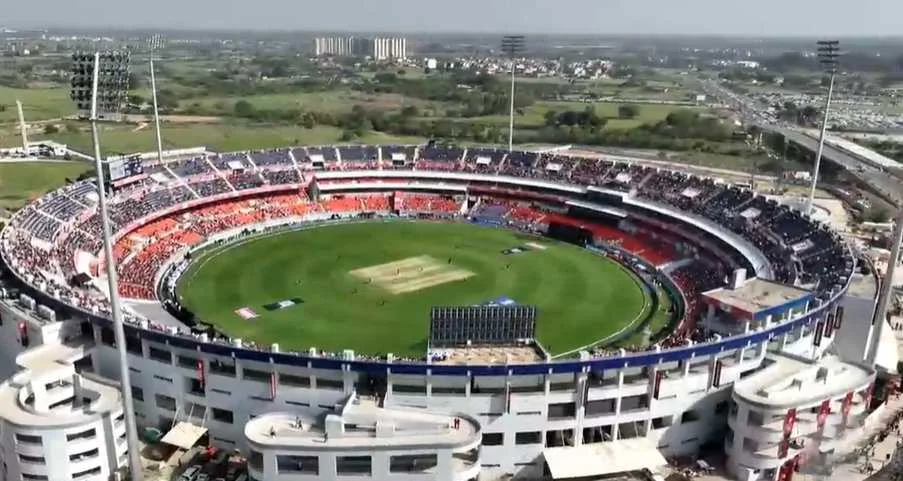
The pitch has been prepared using modern techniques, with a focus on balance. Early observations suggest that it aims to offer something for everyone—pace, bounce, and assistance for spinners as the game progresses. This kind of balanced surface is ideal for competitive cricket because it prevents the game from becoming one-dimensional. Batsmen need skill and patience, while bowlers have to adapt and strategize. The outfield is equally impressive. Designed for speed and consistency, it ensures that well-timed shots are rewarded without being overly forgiving. Fielders benefit from a smooth surface that allows for quick movement, reducing the risk of injury while enhancing the quality of play. It’s one of those details that might go unnoticed by casual viewers but is deeply appreciated by players. Weather conditions in the region also play a role in how the pitch behaves. With relatively hot summers and cooler winters, the surface can evolve over a season, offering varied playing conditions. This variability keeps teams on their toes and prevents predictability from setting in.
Impact on Gameplay
The impact of the pitch and ground conditions at the Maharaja Yadavindra Singh International Cricket Stadium goes beyond just numbers on a scoreboard—it shapes the very narrative of matches played here. A well-balanced pitch ensures that games remain competitive, often going down to the wire, which is exactly what fans love. For batsmen, the conditions demand adaptability. Early in the innings, the ball may come onto the bat nicely, encouraging stroke play. But as the match progresses, subtle changes in the surface can test technique and temperament. It’s not just about hitting boundaries; it’s about reading the pitch and adjusting accordingly. Bowlers, on the other hand, get a fair chance to make an impact. Fast bowlers can extract bounce and movement, especially under lights, while spinners may find assistance as the pitch wears. This variety ensures that teams need a well-rounded bowling attack rather than relying on a single strategy. Fielding also becomes more dynamic. The quick outfield rewards athleticism, turning singles into doubles and creating opportunities for spectacular saves. It adds an extra layer of excitement, as every run becomes contested. In essence, the playing conditions here encourage complete cricket—a format where every skill is tested, and no single aspect dominates. That’s what makes matches memorable and keeps fans coming back for more.
Role in Domestic and International Cricket
The Maharaja Yadavindra Singh International Cricket Stadium is rapidly positioning itself as a key venue in India’s cricketing ecosystem. While it may be relatively new, its infrastructure and strategic location make it a strong contender for hosting both domestic and international matches. And given India’s packed cricket calendar, having additional world-class venues is not just beneficial—it’s essential. In domestic cricket, the stadium provides a fresh stage for tournaments like the Ranji Trophy, Vijay Hazare Trophy, and Syed Mushtaq Ali Trophy. These competitions are crucial for nurturing talent, and playing in a high-quality venue can significantly enhance a player’s experience and performance. It’s not just about exposure; it’s about preparing players for the demands of international cricket. The stadium is also expected to play a role in the Indian Premier League (IPL), one of the most lucrative and widely watched cricket leagues in the world. Hosting IPL matches can instantly elevate a venue’s profile, attracting global attention and boosting local engagement. The energy of an IPL crowd, combined with the stadium’s modern design, has the potential to create unforgettable experiences.
Future Hosting Potential
Looking ahead, the future hosting potential of the Maharaja Yadavindra Singh International Cricket Stadium is incredibly promising. With India frequently hosting international tours and ICC events, the demand for top-tier venues continues to grow. This stadium ticks all the right boxes—capacity, facilities, accessibility, and technological readiness. There’s a strong possibility that it could host ODIs, T20Is, and even Test matches in the coming years. Each format brings its own set of requirements, and the stadium appears well-equipped to handle them all. Its adaptability makes it a valuable asset for cricket administrators planning diverse schedules. The venue could also become a hub for non-cricketing events, such as concerts and cultural programs. This multi-purpose approach not only increases revenue but also keeps the stadium active throughout the year. Ultimately, its role will evolve with time, but the foundation is already strong. It’s not just about being part of the cricketing circuit—it’s about becoming a landmark destination that players and fans look forward to visiting.
Economic and Cultural Impact
The influence of the Maharaja Yadavindra Singh International Cricket Stadium extends far beyond the boundary ropes. Large sports venues often act as catalysts for regional development, and this stadium is no exception. From boosting local businesses to shaping cultural identity, its impact is both immediate and long-term. On the economic front, match days bring a surge in activity. Hotels fill up, restaurants see increased footfall, and transport services operate at full capacity. This ripple effect benefits a wide range of industries, creating employment opportunities and driving revenue. Over time, the presence of the stadium can attract investments, leading to further infrastructure development in the area.
Boost to Local Economy
The local economy around Mullanpur and Chandigarh stands to gain significantly from the stadium’s operations. Small businesses, in particular, benefit from the influx of visitors during matches and events. Street vendors, souvenir shops, and local eateries all experience increased demand, creating a vibrant micro-economy. Real estate is another sector that sees a positive impact. Proximity to a major landmark often increases property values, encouraging development in surrounding areas. This can lead to improved living standards and better urban planning. Culturally, the stadium becomes a gathering place—a space where people from different backgrounds come together to celebrate a shared passion. It strengthens community bonds and adds to the region’s identity as a cricket-loving hub.
Comparison with Other Indian Stadiums
When compared to other Indian stadiums, the Maharaja Yadavindra Singh International Cricket Stadium holds its own remarkably well. While it may not yet have the historical legacy of venues like Eden Gardens or Chepauk, it compensates with modern infrastructure and forward-thinking design.
| Feature | Maharaja Yadavindra Stadium | Wankhede Stadium | Eden Gardens |
|---|---|---|---|
| Seating Capacity | ~38,000+ | ~33,000 | ~66,000 |
| Modern Facilities | Excellent | Good | Moderate |
| Accessibility | High | Moderate | High |
| Technology Integration | Advanced | Moderate | Moderate |
This comparison highlights how newer stadiums are setting higher benchmarks in terms of comfort, technology, and sustainability.
Fan Experience and Atmosphere
The atmosphere at the Maharaja Yadavindra Singh International Cricket Stadium is designed to be electric. The acoustics amplify crowd noise, creating an environment where every cheer and chant feels larger than life. It’s the kind of place where momentum can shift with the energy of the crowd. Fans aren’t just spectators here—they’re participants. From interactive zones to engaging halftime activities, the experience goes beyond the match itself. It becomes a social event, a celebration of cricket and community.
Technology Integration in the Stadium
Technology plays a central role in enhancing the stadium experience. High-definition screens, advanced broadcasting systems, and digital ticketing platforms ensure convenience and engagement. These features align with global standards, making the venue future-ready.
Security and Safety Measures
Safety is a top priority at the stadium. From surveillance systems to trained personnel, every measure is in place to ensure a secure environment. Emergency response systems and medical facilities add an extra layer of preparedness.
Challenges Faced During Construction
Building a stadium of this scale comes with challenges—land acquisition, regulatory approvals, and logistical complexities. Despite these hurdles, the project was completed with a focus on quality and efficiency.
Future Expansion Plans
The stadium has room for growth, with plans to expand capacity and add more सुविधाएँ (facilities). This ensures it remains relevant as demands evolve.
Conclusion
The Maharaja Yadavindra Singh International Cricket Stadium represents the future of cricket infrastructure in India—modern, inclusive, and forward-thinking. It’s more than just a venue; it’s a symbol of how far Indian cricket has come and where it’s headed. Meta des - Explore Maharaja Yadavindra Singh International Cricket Stadium In Mullanpur—features, Capacity, Pitch Report, Facilities, And Its Role In Indian Cricket’s Future.
Written by
Chetan is an Editor at Sportscape Magazine, bringing over three years of experience across sports, defence, international relations, and sports law. With more than 3,500 articles to his name covering player insights, match performances, and team analysis, he…