
Millions spent, little delivered: Sudurpaschim’s sports infrastructure crisis
Nepal's Sudurpaschim Province has been receiving consistent budget allocation for sports infrastructure yet the ground reality is far different.
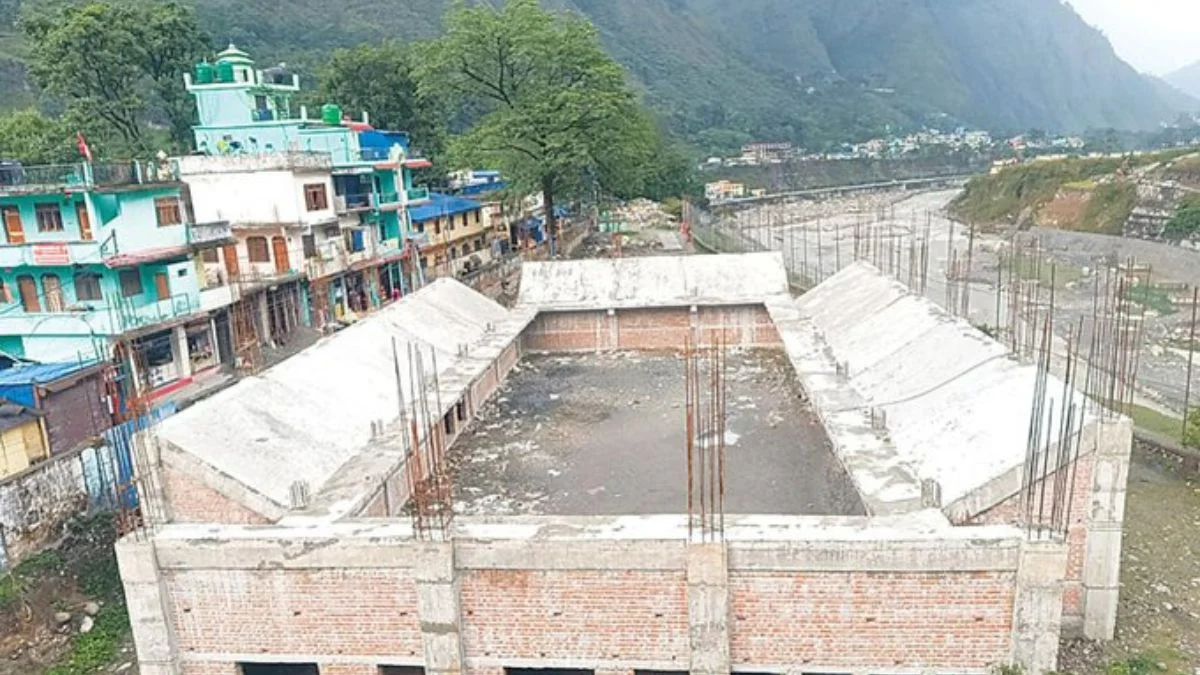
For over a decade, Nepal's Sudurpaschim Province has received subsequent public investment to develop sports infrastructure. Yet due to administrative corruption, the functional facilities have never reached athletes and citizens, exposing government failures and mishandling of public finances.
The government has spent Rs. 120 million in Bajhang district between 2018-19 and 2025-26 to build 48 sports grounds. In reality, the majority of these grounds, like basic facilities, limit their use. Repeated budget allocations in the Sudurpaschim Province have not reached the beneficiaries, raising concerns about administrative planning and accountability.
Misappropriation and unusable grounds in Bajhang
A recent Special Court verdict underscored the scale of malpractice, convicting six individuals, including local officials, for embezzling Rs1.46 million from a Rs6.5 million playground project in Bitthadchir. Investigations revealed duplicate payments and substandard or incomplete work.
Beyond individual cases, systemic issues persist. Projects have been initiated on unsuitable land, often influenced by political connections rather than technical feasibility. A decade-old ground near the Bahuligad river, despite over Rs20 million in spending, remains unusable due to repeated flood damage and poor site selection.
Idle and incomplete projects in Kailali and Kanchanpur
Reportedly, Rs. 99 million was spent on building the Tikapur Sports Academy in Kailali; however, today the academy remains unused due to a lack of operational facilities. Subsequently, incomplete infrastructure and waterlogging issues have led to the partial shutdown of the Dhangadhi stadium. The Mahendranagar hall in Kanchapur is another example of systemic inefficiencies in Sudurpaschim Province, with construction stalled for months.
Washed away investments in Bajura and Dadeldhura
In Bajura, projects have been abandoned or relocated after construction began on unsuitable terrain, including riverbeds and flood-prone zones. More than Rs9 million was spent on a ground later deemed unviable. A stadium built near the Mahakali River was washed away by floods, months after its inauguration. Over eight years, the government has spent Rs 300 million on 88 projects in the district, yet the district has no single venue to host competitive tournaments.
Continued demand for reforming the sports infrastructure industry
Officials have acknowledged the increased political influence in project selection. Lawmakers often tend to prioritise constituency-based projects, neglecting technical and practical aspects. Recent discussions in the Nepal Parliament have stressed the need for stricter technical evaluation, accountable mechanisms, and improvement in coordination between the government and agencies.
Sportscape views Sudurpaschim's experience as an example of government and administrative negligence; despite continued investment, the infrastructure has not been brought to life. If Nepal wants to build a credible sports ecosystem, it must eradicate administrative inefficiencies and policy loopholes.
Written by