
Pickleball vs Padel: Key Differences, Rules, Costs & Benefits
Discover The Ultimate Comparison Of Pickleball Vs Padel In 2026. Learn The Differences In Rules, Gameplay, Costs, Fitness Benefits, Equipment, And Which Sport Is Best For Beginners.
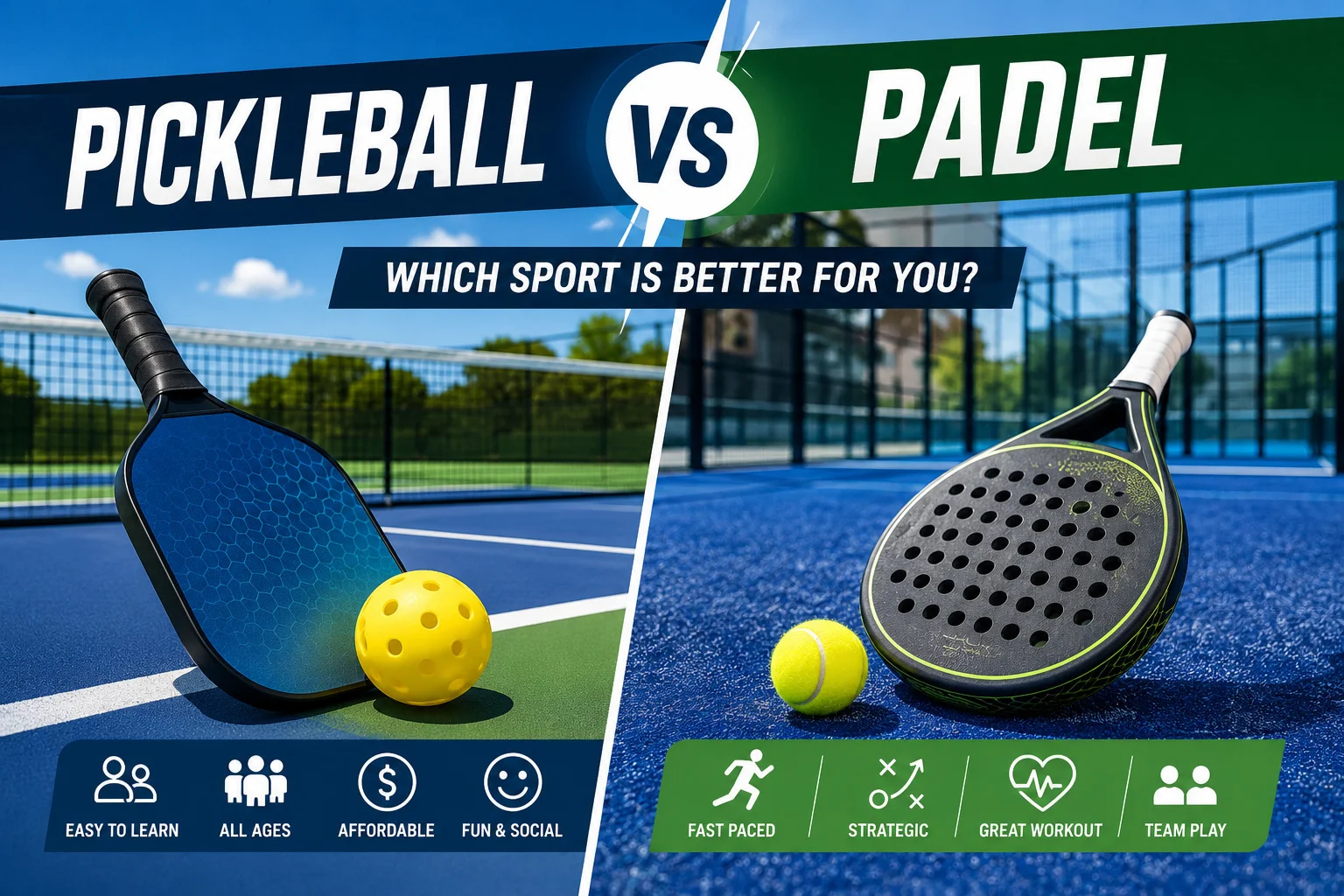
The sports world has witnessed an extraordinary shift over the past few years. Traditional activities like tennis and squash still hold massive audiences, but two rapidly growing racket sports have exploded into mainstream popularity — pickleball vs padel. Once considered niche recreational games, they have now transformed into global fitness trends attracting everyone from casual weekend players to elite professional athletes. Social media feeds are flooded with rallies, celebrity matches, and local club tournaments. Communities are building dedicated courts at astonishing speed, and millions of people are asking the same question: pickleball vs padel — which one is actually better?
At first glance, the two sports may appear similar because both involve paddles or rackets, smaller courts than tennis, and fast-paced gameplay. Yet once you step onto the court, the differences become impossible to ignore. Pickleball feels strategic, compact, and highly accessible for players of all ages. Padel, on the other hand, delivers a more explosive and dynamic experience with glass walls, intense movement, and dramatic shot-making that resembles a blend of tennis and squash. Choosing between them often depends on personality, fitness goals, budget, and even social preferences.
The debate has become especially intense in 2026 because both sports are growing at record-breaking speed worldwide. According to recent sports industry reports, pickleball participation in the United States alone has surpassed 13 million active players, while padel has expanded aggressively across Europe, the Middle East, Asia, and Latin America with thousands of new courts opening every year. Celebrities, professional athletes, and investors are pouring money into both sports, creating a cultural phenomenon far bigger than anyone predicted a decade ago.
What makes this comparison fascinating is that pickleball and padel are not simply competing sports — they represent two different styles of athletic culture. One emphasizes accessibility and community-driven fun. The other highlights intensity, strategy, and spectacle. Understanding their differences requires more than just comparing equipment or scoring systems. It means exploring how each sport feels emotionally, socially, and physically.
This in-depth guide breaks down everything you need to know about pickleball vs padel, including gameplay, fitness benefits, costs, accessibility, professional growth, and overall experience. Whether you are a beginner searching for a new hobby or an athlete looking for your next competitive challenge, this comparison will help you understand which sport fits your lifestyle best.
Understanding the Rise of Pickleball and Padel
The meteoric rise of pickleball and padel did not happen by accident. These sports emerged at the perfect moment in modern culture when people began searching for activities that combined fitness, social interaction, accessibility, and entertainment. Traditional gym workouts started feeling repetitive for many individuals, while highly technical sports like tennis often seemed intimidating for beginners. Pickleball and padel entered this gap almost like perfectly timed solutions.
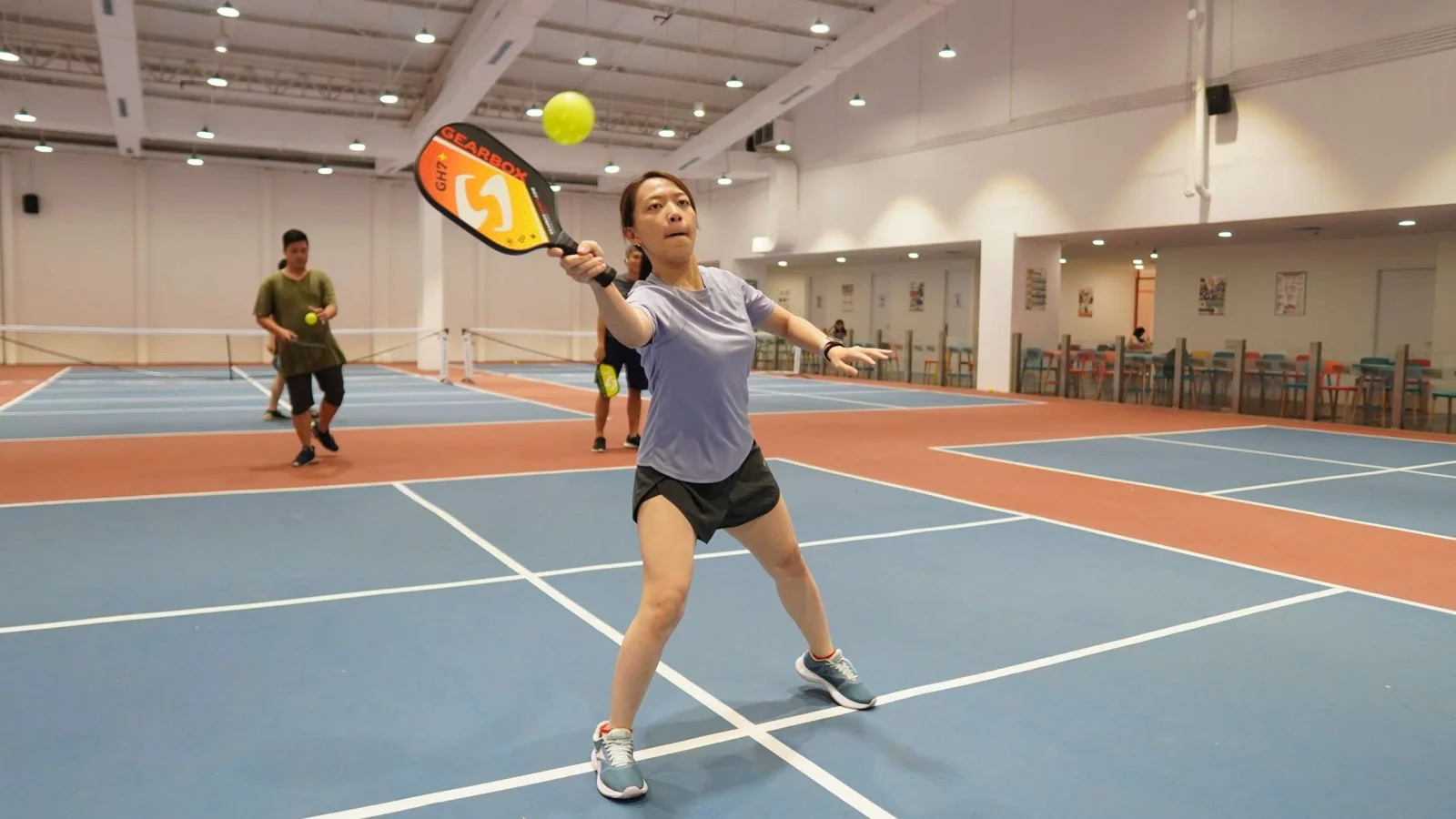
One of the biggest reasons behind their success is simplicity. Both sports are easier to start than tennis because beginners can rally relatively quickly without years of technical training. That immediate sense of achievement creates excitement and encourages players to keep returning. Humans naturally enjoy activities that feel rewarding early on, and both pickleball and padel deliver that experience effectively.
Why These Sports Are Growing So Quickly
Modern lifestyles have also contributed heavily to the popularity surge. Many adults want workouts that feel social rather than isolating. Pickleball and padel are inherently community-driven sports where conversation, laughter, and friendly competition become part of the experience. Local clubs frequently organize social nights, beginner clinics, and doubles tournaments that make people feel connected rather than pressured.
Another important factor is age inclusivity. Pickleball especially gained momentum because older adults discovered it as a low-impact yet competitive sport. The smaller court reduces excessive running, making it gentler on joints compared to tennis. Retirees embraced pickleball rapidly, but younger generations soon followed after realizing the game could also become fast, strategic, and highly competitive.
Padel’s rise followed a slightly different path. Its appeal exploded among younger urban audiences who enjoyed the sport’s dynamic energy and visually entertaining gameplay. Because padel courts are enclosed with walls, rallies often continue longer than in tennis, creating dramatic exchanges that look fantastic both in person and on social media. The sport feels cinematic. Spectators enjoy watching it because the pace remains exciting almost constantly.
Celebrity influence accelerated growth even further. Famous athletes like Cristiano Ronaldo, Lionel Messi, Rafael Nadal, and David Beckham publicly embraced padel, while pickleball attracted investors and players from NBA, NFL, and Hollywood circles. Once influential public figures began posting matches online, curiosity exploded globally.
Global Popularity Trends in 2026
The global numbers surrounding both sports are staggering in 2026. Pickleball dominates North America, particularly in the United States and Canada, where municipalities are rapidly converting tennis courts into dedicated pickleball spaces. Sports industry analysts estimate that pickleball is now one of the fastest-growing recreational sports in American history.
Padel, meanwhile, dominates Europe and continues expanding aggressively into the Middle East, India, Southeast Asia, and Latin America. Spain remains the sport’s spiritual home with over 20,000 padel courts, while countries like Saudi Arabia and the UAE are investing millions into premium padel facilities and international tournaments.
Interestingly, the two sports are beginning to overlap geographically. Pickleball clubs are appearing in Europe, while padel facilities are increasing in North America. This overlap has intensified the “pickleball vs padel” debate because more players now have direct access to both experiences.
The competition between these sports resembles two different music genres climbing the charts simultaneously. Both attract passionate communities, yet each creates a completely different emotional atmosphere on the court. That emotional distinction often becomes the deciding factor for new players choosing between them.
What Is Pickleball?
Pickleball is a paddle sport that combines elements of tennis, badminton, and table tennis into one highly accessible game. Invented in the United States during the 1960s, the sport remained relatively obscure for decades before exploding into mainstream popularity during the late 2010s and early 2020s. Today, pickleball courts are appearing in parks, schools, retirement communities, gyms, and sports complexes around the world.
At first glance, pickleball looks simple. The court is smaller than a tennis court, the paddles are solid rather than stringed, and the ball is lightweight plastic with holes similar to a wiffle ball. Yet once players begin competing seriously, the game reveals surprising layers of strategy, precision, and tactical depth. Quick reflexes, soft touch shots, court positioning, and patience become crucial skills.
Basic Rules and Gameplay
Pickleball can be played as singles or doubles, though doubles is by far the most popular format because it emphasizes teamwork and social interaction. Matches are usually played to 11 points, and teams must win by at least two points. One unique rule is the “kitchen,” officially called the non-volley zone, located near the net. Players cannot smash volleys while standing inside this area, forcing more strategic exchanges rather than constant power hitting.
The game begins with an underhand serve delivered diagonally across the court. After the serve, both sides must allow the ball to bounce once before volleying begins. This “double bounce rule” prevents immediate aggressive net attacks and creates longer rallies.
One reason beginners enjoy pickleball so quickly is that the smaller court reduces excessive running. Players can focus on timing and strategy rather than pure athleticism. Yet at advanced levels, the game becomes incredibly fast. Professional pickleball features lightning-quick hand battles near the net where reflexes determine outcomes within fractions of a second.
The social atmosphere is another defining characteristic. Local pickleball communities often rotate players between games, creating a welcoming environment where strangers quickly become friends. Many players describe pickleball less as a sport and more as a social lifestyle built around competition and community.
Equipment Used in Pickleball
Pickleball equipment is relatively affordable and beginner-friendly. Players use solid paddles made from materials such as graphite, fiberglass, or composite polymers. These paddles are lighter than tennis rackets but designed to generate control and quick reactions.
The ball itself is unique. Outdoor pickleballs contain smaller holes to resist wind, while indoor versions have larger holes and softer bounce characteristics. The lightweight plastic construction changes the pace of the game significantly compared to tennis or padel because the ball slows down faster after impact.
Shoes designed for court sports are recommended because pickleball involves rapid side-to-side movement. However, compared to many other racket sports, the entry cost remains fairly low. A beginner can start playing with affordable paddles and access community courts without major financial investment.
This affordability has become one of pickleball’s biggest strengths. Families, retirees, and younger players can participate without the high equipment or facility costs often associated with tennis or golf. That accessibility helped transform pickleball from a niche recreational game into a massive cultural phenomenon.
What Is Padel?
Padel is one of the fastest-growing racket sports in the world, blending elements of tennis and squash into a thrilling, high-energy experience. Originating in Mexico during the late 1960s, the sport gained enormous popularity in Spain and Argentina before expanding globally. Today, padel is experiencing explosive growth across Europe, the Middle East, Asia, and increasingly North America. The game’s appeal lies in its combination of athletic intensity, tactical creativity, and nonstop action.
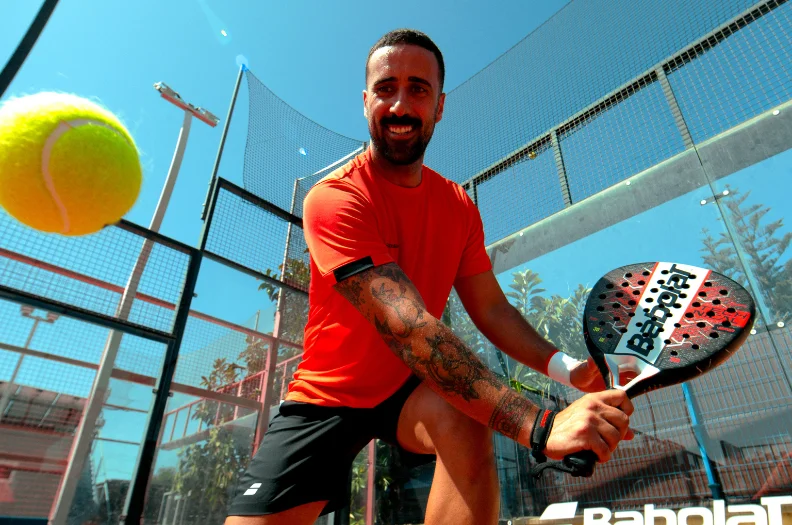
Unlike pickleball, which often emphasizes controlled placement and patience, padel feels dynamic and explosive. The enclosed court surrounded by glass and metal mesh creates dramatic rallies where players can use walls strategically after the ball bounces. This feature completely changes the rhythm of the game. Instead of points ending quickly, rallies continue with unexpected angles, defensive recoveries, and spectacular reflex shots that make the sport visually captivating.
Padel is almost always played in doubles format, which adds another layer of communication and teamwork. Coordination between partners becomes essential because positioning and movement patterns are tightly connected. The result is a sport that feels intensely social yet highly competitive at the same time.
Basic Rules and Court Design
A padel court is smaller than a tennis court and fully enclosed by glass walls and mesh fencing. The dimensions are approximately 20 meters long and 10 meters wide, creating a compact playing area that encourages fast reactions and strategic positioning. The enclosed structure is one of the sport’s defining characteristics because the walls remain active during play, similar to squash.
The game begins with an underhand serve delivered diagonally into the opponent’s service box. Once the ball bounces on the receiving side, players can return it directly or allow it to rebound off the walls first. This ability to use walls creates endless tactical possibilities. A seemingly impossible shot can suddenly become recoverable, turning defense into attack within seconds.
Scoring in padel follows the traditional tennis system of 15, 30, 40, and game. Matches usually consist of best-of-three sets. Because the court is smaller and enclosed, rallies tend to last longer than in tennis. This continuous action keeps players mentally engaged and physically active throughout the match.
Padel also rewards intelligent positioning over raw power alone. While aggressive smashes are important, many points are won through angles, anticipation, and teamwork. The game often feels like chess played at high speed because players constantly adjust their positioning in response to rebounds and changing ball trajectories.
One fascinating aspect of padel is how beginner-friendly it can initially feel despite its advanced strategic depth. New players quickly experience long rallies because the walls keep points alive, reducing frustration and increasing enjoyment early on. Yet mastering wall play, spin control, and advanced tactics can take years, giving the sport significant long-term challenge and replay value.
Equipment Used in Padel
Padel rackets differ significantly from tennis rackets and pickleball paddles. They are solid with perforated holes and typically shorter than tennis rackets. Most padel rackets are made from carbon fiber, fiberglass, or composite materials, designed to balance power and control. Their compact shape allows quick maneuverability during fast exchanges near the net.
The balls used in padel resemble tennis balls but contain slightly lower internal pressure. This creates a different bounce behavior suited to the enclosed court environment. Lower pressure slows the ball slightly, helping players maintain longer rallies and strategic exchanges. Court surfaces are usually made from synthetic turf with sand infill, providing controlled traction and consistent ball bounce. Proper footwear is crucial because padel involves explosive directional changes and rapid movement. Shoes with strong grip and lateral support help reduce injury risk while improving agility.
One limitation compared to pickleball is cost. Building padel courts requires significant investment because of the enclosed glass structures and specialized surfaces. As a result, access to facilities can sometimes be more limited depending on the region. However, luxury sports clubs, urban fitness centers, and dedicated padel complexes are rapidly expanding to meet rising demand. Padel’s combination of athletic movement, dramatic rallies, and tactical depth creates an experience that feels highly addictive for many players. Once someone becomes comfortable using the walls strategically, the game transforms into something uniquely exhilarating that traditional racket sports rarely replicate.
Pickleball vs Padel: Key Differences
Although pickleball and padel belong to the same broad family of racket sports, they deliver entirely different experiences once players step onto the court. Comparing them is a little like comparing cycling and skateboarding — both involve movement and balance, but the feeling, rhythm, and culture surrounding each activity differ dramatically. Understanding these differences is essential for anyone trying to decide which sport better matches their personality, fitness goals, and playing style. The debate surrounding pickleball vs padel often becomes surprisingly passionate because players form strong emotional attachments to their chosen sport. Some love pickleball’s accessibility and strategic finesse. Others are drawn to padel’s explosive intensity and visually exciting rallies. Neither sport is objectively “better,” but each offers distinct advantages depending on what someone values most in athletic competition.
Court Size and Playing Style
One of the most obvious differences between pickleball and padel is court design. Pickleball courts are open and relatively simple resembling smaller tennis courts with a low net and clearly marked non-volley zone known as the kitchen. The gameplay revolves around placement, soft shots, and controlled exchanges near the net. Precision often matters more than raw power. Padel courts, by contrast, are enclosed with glass and mesh walls that remain active during play. This changes the entire nature of movement and strategy. Players constantly use walls to extend rallies, creating dynamic angles and defensive recoveries that feel almost impossible to beginners. The result is a sport with more movement variation and continuous unpredictability.
Pickleball tends to favor quick hand-eye coordination and strategic patience. Many points involve careful dinking exchanges near the kitchen line, where players attempt to force errors through precision and control. Padel emphasizes athletic movement, aggressive positioning, and tactical teamwork. The ability to read rebounds and anticipate angles becomes just as important as technical shot-making. The pace also feels different emotionally. Pickleball often creates bursts of rapid exchanges surrounded by tactical setup. Padel feels more fluid and chaotic, with points evolving continuously as walls keep the ball alive. Some players enjoy pickleball’s cleaner structure, while others prefer the adrenaline rush generated by padel’s unpredictability.
Speed and Intensity
When comparing physical intensity, padel generally demands more sustained movement than pickleball. Players cover greater distances, react to wall rebounds, and perform explosive directional changes repeatedly throughout rallies. Heart rates often remain elevated for longer periods because points continue dynamically without frequent pauses. Pickleball, however, should not be underestimated physically. At advanced levels, the game becomes remarkably fast, especially during close-range volley exchanges near the kitchen line. Reflex speed and reaction time become critical. Yet because the court is smaller and movement demands are slightly lower, pickleball is often considered more accessible for older adults or individuals recovering from injuries.
Padel’s intensity resembles a blend of tennis and squash. The enclosed environment creates nonstop pressure, requiring constant communication between doubles partners. Pickleball feels more rhythm-based, emphasizing timing, anticipation, and tactical placement rather than explosive endurance. For fitness enthusiasts seeking high-energy cardiovascular workouts, padel often provides greater overall physical demand. Players burn substantial calories due to sustained movement and rapid transitions between offense and defense. Pickleball still delivers excellent exercise benefits but places slightly less stress on joints and muscles, making it easier for wider age groups to participate consistently.
Skill Requirements
The skill progression curve differs significantly between the two sports. Pickleball is famously beginner-friendly because new players can enjoy rallies quickly without mastering highly technical mechanics. The lightweight ball moves slower than tennis shots, allowing beginners more time to react. This immediate accessibility contributes heavily to the sport’s rapid growth. Padel also welcomes beginners but introduces more advanced tactical complexity over time. Learning how to use walls effectively requires practice and spatial awareness. Players must constantly judge rebound angles, court positioning, and communication timing with partners. While newcomers can still enjoy the game quickly, mastering advanced padel strategy can take years.
Interestingly, players transitioning from tennis often adapt faster to padel because of familiar scoring systems and racket techniques. Pickleball, meanwhile, can feel surprisingly different for tennis players because of the softer shots and kitchen-zone strategy. Some experienced tennis athletes initially struggle with the patience and touch required in pickleball. The learning experience ultimately depends on personality. Players who enjoy technical precision and accessible social competition often gravitate toward pickleball. Those who crave athletic movement, tactical chaos, and dramatic rallies frequently become obsessed with padel.
Health Benefits of Pickleball and Padel
One major reason behind the explosive popularity of both sports is their ability to combine entertainment with meaningful physical and mental health benefits. Unlike repetitive gym routines that many people abandon after a few months, pickleball and padel create environments where exercise feels naturally enjoyable. Players become so focused on competition, teamwork, and strategy that they often forget how much physical activity they are actually performing. Modern lifestyles have become increasingly sedentary, with millions spending long hours sitting in offices, commuting, or staring at screens. Sports like pickleball and padel provide an exciting alternative because they encourage movement in a social and emotionally rewarding environment. The health impact extends far beyond calorie burning alone.
Cardiovascular and Fitness Benefits
Both sports deliver excellent cardiovascular exercise by keeping players constantly active during rallies. Quick directional changes, rapid reflex movements, and repeated bursts of acceleration elevate heart rates effectively. Regular participation can improve endurance, circulation, coordination, and overall cardiovascular health. Padel generally provides a more intense full-body workout because players cover greater distances and react continuously to wall rebounds. The sport engages leg muscles heavily through explosive lateral movement while also strengthening the core and upper body during powerful swings and rapid positioning adjustments. Long rallies create sustained cardiovascular demand that challenges stamina significantly.
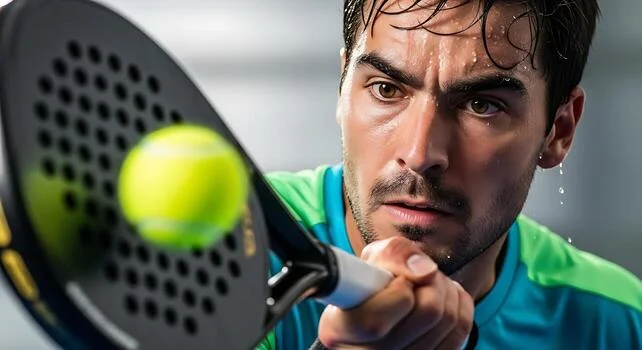
Pickleball offers a slightly lower-impact alternative while still providing meaningful fitness benefits. Because the court is smaller, players experience less strain on joints compared to tennis or high-impact running activities. This makes pickleball especially attractive for older adults or individuals seeking sustainable long-term exercise routines. Despite its gentler reputation, competitive pickleball still improves agility, reaction speed, balance, and muscular coordination remarkably well. Studies from sports medicine organizations increasingly highlight racket sports as some of the most effective recreational activities for long-term health. Research published in various health journals suggests regular racket sport participation may help reduce risks associated with heart disease, obesity, diabetes, and cognitive decline. The combination of aerobic movement and mental engagement appears particularly beneficial for aging populations.
Mental Health and Social Connection
The psychological benefits of pickleball and padel are equally important. Modern society faces rising levels of stress, loneliness, and digital isolation. Team-based recreational sports provide a powerful antidote because they create real-world social interaction and emotional connection. Pickleball communities are especially known for their welcoming and inclusive atmosphere. Local clubs often encourage players of all ages and skill levels to mix freely during games. This social structure helps people build friendships quickly, reducing feelings of isolation while boosting confidence and emotional well-being.
Padel also thrives as a highly social sport because doubles teamwork requires communication and cooperation constantly. Players celebrate victories together, strategize between points, and develop strong partnerships over time. The emotional intensity of dramatic rallies creates shared excitement that strengthens social bonds naturally. Physical activity itself contributes strongly to mental health improvement through the release of endorphins and stress reduction. Many players describe both sports as therapeutic because the fast-paced focus required during matches temporarily pushes aside everyday worries and mental fatigue.
The emotional rewards become addictive in a healthy way. People return not only for fitness but for laughter, competition, community, and excitement. That emotional attachment is one reason participation rates continue climbing globally.
Cost Comparison Between Pickleball and Padel
Cost plays a major role when people decide whether to commit to a new sport. Even the most exciting activity can become frustrating if equipment, court rentals, or memberships feel financially overwhelming. One of the biggest reasons behind pickleball’s explosive growth is affordability, while padel’s expansion has been driven more by premium sports-club culture and urban recreational investment. Comparing the financial side of pickleball vs padel reveals important differences that influence accessibility around the world.
For beginners, affordability often determines whether a sport becomes a casual experiment or a long-term habit. Sports requiring expensive equipment or exclusive facilities naturally limit participation. In this category, pickleball and padel occupy very different positions despite both belonging to the racket sports family.
Equipment and Court Expenses
Pickleball is generally one of the most affordable racket sports available today. Beginner paddles can cost as little as $20 to $50, while professional-level paddles range between $100 and $250 depending on material quality](/blog/neon-courts-new-capital-inside-india-s-pickleball-and-padel-gold-rush)and brand reputation. The plastic balls are inexpensive, durable, and widely available. Many public parks and community centers offer free or low-cost courts, especially in North America where pickleball infrastructure has expanded rapidly.
Another major advantage is adaptability. Existing tennis courts can easily be converted into multiple pickleball courts with temporary lines and portable nets. This low infrastructure requirement significantly reduces facility costs. As a result, schools, retirement communities, and local recreation centers have embraced the sport enthusiastically.
Padel, on the other hand, usually involves higher financial barriers. Quality padel rackets often range between $80 and $300, with advanced carbon-fiber models reaching even higher prices. Balls require regular replacement because they lose pressure relatively quickly during intense play. Footwear and specialized clothing can also increase overall expenses for serious players.
The biggest financial difference lies in court construction and rental costs. Building a padel court requires glass walls, metal mesh fencing, synthetic turf, lighting systems, and structural engineering support. This infrastructure investment can cost tens of thousands of dollars per court. Consequently, many padel facilities operate as private clubs or premium sports centers charging hourly rental fees or membership subscriptions. In cities where padel remains relatively new, court availability may be limited, increasing demand and driving prices even higher. Prime-time bookings at premium clubs can become expensive, especially in urban areas where court space is scarce.
Accessibility for Beginners
Pickleball’s affordability and simplicity make it exceptionally beginner-friendly from an economic perspective. Someone curious about the sport can often borrow equipment, visit a public court, and start playing immediately with minimal investment. This low-risk entry point encourages experimentation and rapid community growth. Padel’s accessibility depends heavily on location. In countries like Spain, where padel culture is deeply established, courts are widespread and community access is relatively affordable. In emerging markets such as the United States, India, or parts of Asia, padel often carries a more upscale image because facilities are newer and less common.
This economic difference influences the social culture surrounding each sport. Pickleball often feels grassroots and community-driven, attracting diverse age groups and backgrounds. Padel sometimes feels more premium and club-oriented, especially in luxury urban sports environments. Neither approach is inherently better, but they create distinct atmospheres. Interestingly, as padel expands globally, developers are searching for ways to reduce infrastructure costs and increase accessibility. Portable court systems and community-based clubs are slowly helping the sport become more affordable. At the same time, pickleball’s explosive popularity has created occasional court shortages and local tensions over noise levels due to the distinctive “pop” sound made by paddles striking the ball.
Ultimately, players seeking the most budget-friendly entry into racket sports will usually find pickleball easier financially. Those willing to spend more for a dynamic, premium-style experience may gravitate toward padel despite the higher costs.
Which Sport Is Easier to Learn?
One of the most important questions beginners ask when comparing pickleball vs padel is simple: which sport is easier to learn? The answer depends partly on athletic background, but overall, pickleball generally wins in terms of immediate accessibility. That does not mean padel is difficult for newcomers — far from it — but the learning curves differ significantly in style and complexity. The beauty of both sports lies in their ability to make beginners feel competent relatively quickly. Unlike tennis, where new players often struggle to sustain rallies due to large court coverage and technical serving mechanics, pickleball and padel reduce many early frustrations. This immediate sense of success is one reason both sports continue growing so rapidly worldwide.
Beginner-Friendly Nature of Pickleball
Pickleball has become famous for its beginner-friendly design. The smaller court means players do not need elite speed or endurance to participate effectively. The lightweight plastic ball travels slower than a tennis ball, providing extra reaction time and making rallies easier to sustain. Underhand serves are also simpler mechanically compared to the powerful overhead serves required in tennis.
Most beginners can learn the basic rules within a single session. Within an hour or two, many players are already enjoying competitive rallies and scoring points confidently. This fast learning process creates instant gratification, which keeps newcomers motivated to continue playing. Another reason pickleball feels approachable is the strong community culture. Experienced players often welcome beginners warmly, rotating partners during casual games and offering advice without judgment. The social atmosphere reduces performance anxiety and helps people feel comfortable even when they make mistakes.
That said, pickleball becomes deceptively complex at higher levels. Advanced strategy involving kitchen-line positioning, spin control, shot placement, and rapid volley exchanges requires serious skill development. Many new players initially assume the sport looks easy until they face experienced opponents who dominate through precision and tactical intelligence rather than brute athleticism. The game’s accessibility also makes it popular among families and mixed-age groups. Grandparents, parents, and children can often compete together in ways impossible in more physically demanding sports. This intergenerational appeal contributes strongly to pickleball’s explosive popularity.
The Competitive Challenge of Padel
Padel is also relatively beginner-friendly but introduces more strategic complexity over time due to the use of walls and advanced positioning tactics. New players can rally successfully early on because the enclosed court keeps points alive longer. Instead of constantly chasing balls outside the playing area, players stay engaged continuously within the enclosed environment. The challenge begins when players start learning wall dynamics. Understanding rebound angles, defensive positioning, and coordinated movement with a doubles partner requires spatial awareness and tactical adaptation. The game often feels intuitive initially but becomes deeply sophisticated at competitive levels.
Players with tennis backgrounds frequently adapt faster to padel because of familiar strokes and scoring systems. However, even experienced tennis athletes must unlearn certain habits. In padel, patience and positioning often matter more than attempting outright winners from difficult positions. Padel’s physical intensity can also create a steeper adjustment period for beginners. The sport involves frequent directional changes, explosive movements, and rapid transitions between offense and defense. While newcomers can still enjoy the game quickly, sustained competitive play demands stronger conditioning compared to recreational pickleball.
The emotional experience differs as well. Pickleball often feels relaxed and socially casual during beginner stages. Padel tends to create a more adrenaline-driven atmosphere because rallies move dynamically and unpredictably. Some players become addicted to that energy almost immediately, while others prefer the gentler rhythm of pickleball. Ultimately, pickleball is usually easier for complete beginners and casual recreational players. Padel may require slightly more adaptation initially, but many athletes find its long-term tactical depth and energetic gameplay incredibly rewarding once they develop confidence.
Professional Scene and Global Tournaments
Both pickleball and padel have evolved far beyond recreational hobbies. What began as community-based racket sports has transformed into serious professional industries with global tournaments, sponsorship deals, celebrity investors, and growing media coverage. The professionalization of these sports is one of the clearest signs that their popularity is not temporary hype but part of a major long-term shift in modern sports culture.
The rise of professional leagues has also intensified the debate around pickleball vs padel because each sport is building its own identity on the world stage. While pickleball dominates North America commercially, padel currently enjoys stronger international infrastructure and broader geographic penetration.
Pickleball Leagues and Championships
Professional pickleball has exploded in the United States over the past few years. Organizations like the Professional Pickleball Association (PPA) and Major League Pickleball (MLP) now host tournaments featuring significant prize money, live broadcasting deals, and celebrity-backed franchises. Former professional tennis players and elite athletes from other sports have started transitioning into pickleball due to its rapid growth and commercial potential. One fascinating aspect of professional pickleball is how quickly the game evolved strategically. Early recreational players often underestimated the athleticism required at elite levels. Today’s professionals display extraordinary reflexes, precision, and tactical discipline during fast-paced net exchanges that can look almost impossible to casual viewers.
Major sponsorship brands including sportswear companies, beverage manufacturers, and technology firms have entered the pickleball market aggressively. Dedicated pickleball facilities are opening across the United States at remarkable speed, while streaming platforms and television networks increasingly cover major events. There is even ongoing discussion about pickleball potentially becoming an Olympic sport in the future, though official inclusion remains uncertain. Regardless, the professional ecosystem surrounding pickleball continues expanding rapidly with no signs of slowing down.
Padel’s International Expansion
Padel currently possesses a stronger international competitive structure compared to pickleball. The Premier Padel Tour and World Padel Tour attract elite players from Spain, Argentina, Brazil, and numerous other countries. Matches are broadcast globally, and some tournaments fill large stadiums with passionate crowds. Spain remains the center of professional padel culture, where the sport rivals football and basketball in recreational participation levels. Argentina has also produced many legendary players and maintains a deeply passionate fanbase. Recently, Middle Eastern countries like Saudi Arabia, Qatar, and the UAE have invested heavily in hosting major tournaments and developing luxury padel complexes.
Celebrity involvement has further accelerated padel’s prestige. Global football stars, Formula 1 drivers, and tennis legends regularly participate in exhibition matches and invest in facilities. The sport’s fast-paced visual appeal makes it highly attractive for social media and live entertainment platforms. Professional padel also feels slightly more internationally mature at the moment because of its longer competitive history outside North America. However, pickleball’s growth speed in the United States is so extraordinary that many analysts believe it could eventually surpass padel commercially in certain markets.
The rivalry between the two sports resembles two startups racing toward global dominance through different strategies. Pickleball focuses heavily on accessibility and mass participation. Padel emphasizes premium facilities, international tournaments, and visually exciting gameplay. Both approaches are proving remarkably successful.
Conclusion
The debate surrounding pickleball vs padel ultimately comes down to personal preference, lifestyle, and what kind of sporting experience someone wants most. Both sports are growing at extraordinary speed because they satisfy modern needs perfectly — social interaction, engaging fitness, accessibility, and genuine fun. Pickleball shines through simplicity, affordability, and community-driven culture. It welcomes players of all ages and athletic backgrounds while still offering strategic depth at competitive levels. The sport feels inclusive, approachable, and easy to integrate into everyday life.
Padel delivers a more intense and dynamic experience filled with dramatic rallies, athletic movement, and tactical creativity. The enclosed court system creates nonstop action that many players find addictive. For athletes seeking high-energy competition and visually exciting gameplay, padel offers a uniquely thrilling challenge. Neither sport is replacing the other because they serve slightly different emotional and athletic desires. Some players even enjoy both depending on mood and fitness goals. One day might call for the relaxed strategic rhythm of pickleball, while another demands the explosive adrenaline of padel.
What matters most is that both sports are helping millions of people become more active, social, and connected through competition and recreation. In an increasingly digital world, that may be their greatest victory of all.
Written by