
Chennai Chepauk Stadium: History, IPL Records, Pitch Report & CSK Legacy
Explore The Iconic Chennai Chepauk Stadium, Its Rich Cricket History, Pitch Behavior, IPL Records, Legendary Matches, And The Unforgettable Csk Atmosphere At Ma Chidambaram Stadium.
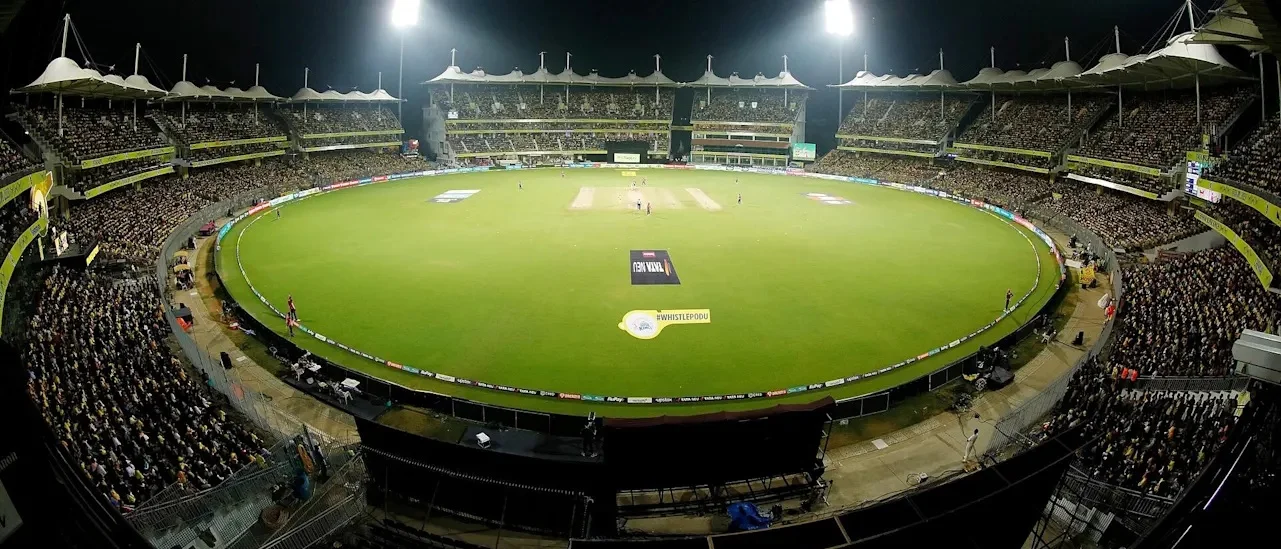
The M.A. Chidambaram Stadium popularly known as Chepauk Stadium, is not just a cricket ground in Chennai—it is an emotion woven deeply into the fabric of Indian cricket. Located in the bustling city of Chennai, Tamil Nadu, this iconic venue has witnessed some of the most unforgettable moments in cricket history. From thrilling Test matches to electrifying IPL nights, Chepauk has stood tall as one of the oldest and most respected cricket stadiums in India. Cricket lovers often describe the stadium as a temple of the sport because of the passion, history, and atmosphere it carries within its walls.
Chepauk Stadium is owned by the Tamil Nadu Cricket Association and has a seating capacity of approximately 38,000 spectators after multiple renovations. It first opened in 1916, making it one of the oldest cricket stadiums in the country. The venue has hosted legendary cricketers from different generations, including Sachin Tendulkar, Kapil Dev, Rahul Dravid, MS Dhoni, and Virat Kohli. What makes Chepauk truly unique is the emotional connection fans have with it. Even opposition players often praise the crowd for appreciating quality cricket regardless of which team performs well.
The roar of the crowd during an IPL match featuring Chennai Super Kings feels like thunder rolling through the Bay of Bengal. The sea breeze, humid conditions, and spin-friendly pitch create a cricketing atmosphere unlike anywhere else in the world. Whether it is a tense Test match session or a last-over IPL thriller, Chepauk transforms into a cauldron of energy. For millions of cricket fans, visiting Chepauk is similar to taking a pilgrimage to one of cricket’s holiest grounds.
Why Chepauk Holds a Special Place in Cricket
Every cricket stadium has stories, but Chepauk has legends. The ground has hosted countless memorable battles that shaped Indian cricket history. One of the most remarkable things about the stadium is the intelligence of the Chennai crowd. Fans here understand the nuances of the game deeply. They applaud excellent performances from visiting players just as warmly as they celebrate Indian heroes. That level of sportsmanship is rare in modern sports culture.
Chepauk became globally famous during the historic India vs Australia tied Test match in 1986, only the second tied Test in cricket history. Imagine the tension in the air as every run and every ball became a matter of destiny. The stadium also witnessed Sachin Tendulkar’s emotional century against Pakistan in 1999, despite India narrowly losing the match. Fans stood and applauded Tendulkar even through heartbreak, showing the emotional depth of cricket at Chepauk.
Another reason for the stadium’s iconic reputation is its relationship with spin bowling. The dry surface traditionally assists spinners, turning matches into strategic chess games. Great bowlers like Anil Kumble, Ravichandran Ashwin, and Muttiah Muralitharan have delivered magical performances on this pitch. Watching a spinner dominate at Chepauk is like watching an artist paint on a spinning canvas.
The arrival of the IPL added another layer to Chepauk’s identity. The stadium became the fortress of Chennai Super Kings (CSK) and the kingdom of MS Dhoni. Fans dressed in yellow fill every corner, creating an atmosphere that feels more like a festival than a sporting event. Chepauk is not merely a venue; it is a living museum of cricketing emotions.
History of MA Chidambaram Stadium
Origins and Early Development
The roots of Chepauk Stadium go back over a century, making it one of India’s oldest cricket venues still in operation today. Established in 1916, the stadium was originally built on land leased from the Chepauk Palace estate. During British colonial rule, cricket was gaining popularity among Indians, especially in Madras Presidency, which later became Tamil Nadu. The stadium soon evolved into a major center for first-class and international cricket in South India.
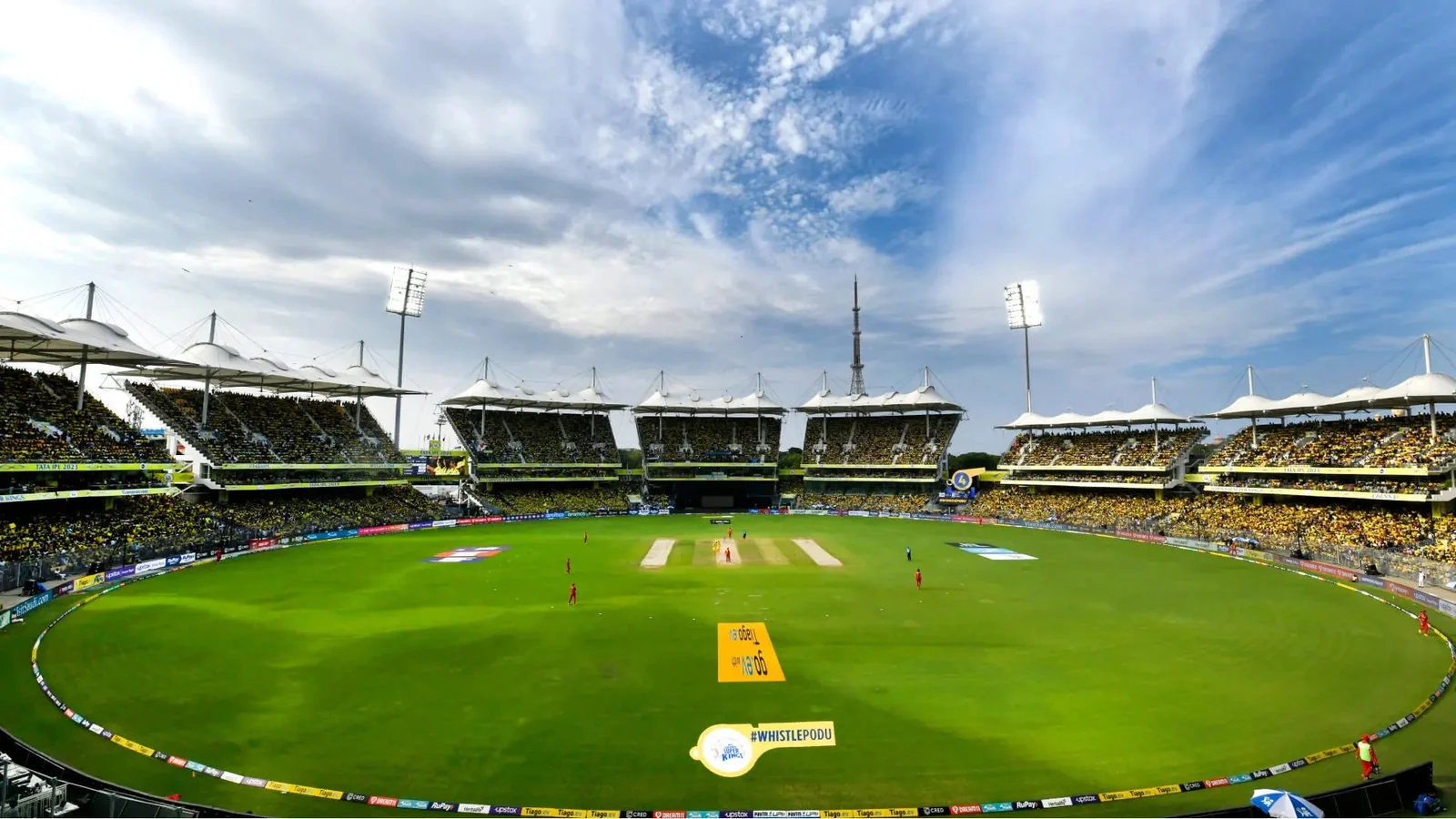
Initially known simply as the Madras Cricket Club Ground, the venue later became the MA Chidambaram Stadium in honor of Muthiah Annamalai Chidambaram, a former president of the Board of Control for Cricket in India (BCCI) and a highly influential cricket administrator. Under his leadership, cricket infrastructure in Tamil Nadu improved dramatically. Naming the stadium after him was a tribute to his immense contribution to Indian cricket.
In its early decades, Chepauk hosted domestic matches and gradually earned the privilege of staging international fixtures. India played its first Test match at this venue against England in 1934. That moment marked the beginning of Chepauk’s glorious international legacy. Over time, the stadium became known for producing dramatic matches filled with spin bowling and intense heat that tested players physically and mentally.
The architecture of the old stadium reflected classic cricket traditions. Unlike many modern stadiums filled with flashy commercial features, early Chepauk focused entirely on the game itself. Fans sat close to the field, creating an intimate environment where players could hear every cheer and reaction. Even today, despite modernization, the stadium has retained that old-school cricket charm that makes it special.
Evolution Through the Decades
Chepauk has undergone several transformations over the decades while preserving its historical identity. The stadium evolved alongside Indian cricket itself. During the 1970s and 1980s, it became famous for hosting gripping Test matches featuring legends like Sunil Gavaskar and Gundappa Viswanath. As television broadcasting expanded, millions of fans around the world became familiar with the iconic red stands and passionate Chennai crowd.
One major turning point came during the 2011 Cricket World Cup preparations. The stadium underwent significant renovations to improve seating, safety standards, media facilities, and spectator comfort. New stands were built, modern floodlights installed, and corporate boxes added to meet international standards. The redevelopment balanced modern infrastructure with the stadium’s historic essence.
Chepauk also adapted to the fast-paced demands of T20 cricket. IPL matches transformed the venue into a vibrant entertainment hub filled with music, lights, and non-stop crowd energy. Despite these modern additions, traditional cricket lovers still appreciate Chepauk for its strong Test cricket culture. It remains one of the few venues where Test matches continue to attract enthusiastic crowds.
Over the years, natural disasters and political issues occasionally affected the stadium’s operations. The devastating Chennai floods in 2015 impacted the city heavily, while water scarcity concerns also raised questions about maintaining sporting infrastructure. Yet Chepauk always bounced back stronger, much like a seasoned cricketer recovering after a difficult spell. Its resilience mirrors the spirit of Chennai itself—strong, passionate, and deeply connected to cricket.
Location and Accessibility
How to Reach Chepauk Stadium
One of the reasons behind the immense popularity of Chepauk Stadium is its prime location in the center of Chennai. Situated along Wallajah Road near Marina Beach, the stadium is deeply connected to the city’s transport network. Whether you are a local cricket fan or a tourist visiting Chennai for the first time, reaching the stadium is surprisingly convenient. The area around Chepauk becomes electric on match days, with fans in yellow jerseys flooding the streets hours before the first ball is bowled.
The easiest way to reach the stadium is through the Chennai Metro Rail system. The nearby Government Estate Metro Station and LIC Metro Station provide quick access from different parts of the city. Suburban train services are another practical option, especially through Chepauk Railway Station, which sits within walking distance of the venue. During IPL matches, local trains often become mini fan zones filled with chants of “CSK! CSK!” echoing through the compartments.
For travelers arriving by air, the Chennai International Airport is approximately 18 kilometers away from the stadium. Taxis, app-based cabs, and airport metro connectivity make the journey smooth even during busy traffic hours. Chennai’s extensive bus network also connects directly to the stadium area, making it affordable for thousands of daily commuters and fans.
Parking around Chepauk can become challenging during high-profile matches because of the enormous crowd turnout. Experienced fans usually prefer public transportation to avoid traffic congestion. Authorities often implement special traffic arrangements during IPL and international fixtures to ensure smooth crowd movement. Walking toward the stadium through streets buzzing with food stalls, merchandise vendors, and excited supporters feels almost like entering a carnival dedicated entirely to cricket.
Nearby Attractions and Facilities
Chepauk Stadium enjoys a location surrounded by some of Chennai’s most iconic landmarks. This makes a visit to the stadium much more than just a cricket experience. Fans often combine match day with sightseeing, food exploration, and beach visits. One of the most famous nearby attractions is Marina Beach, one of the world’s longest urban beaches. Just a short distance from the stadium, Marina becomes a relaxing escape for fans before or after games.
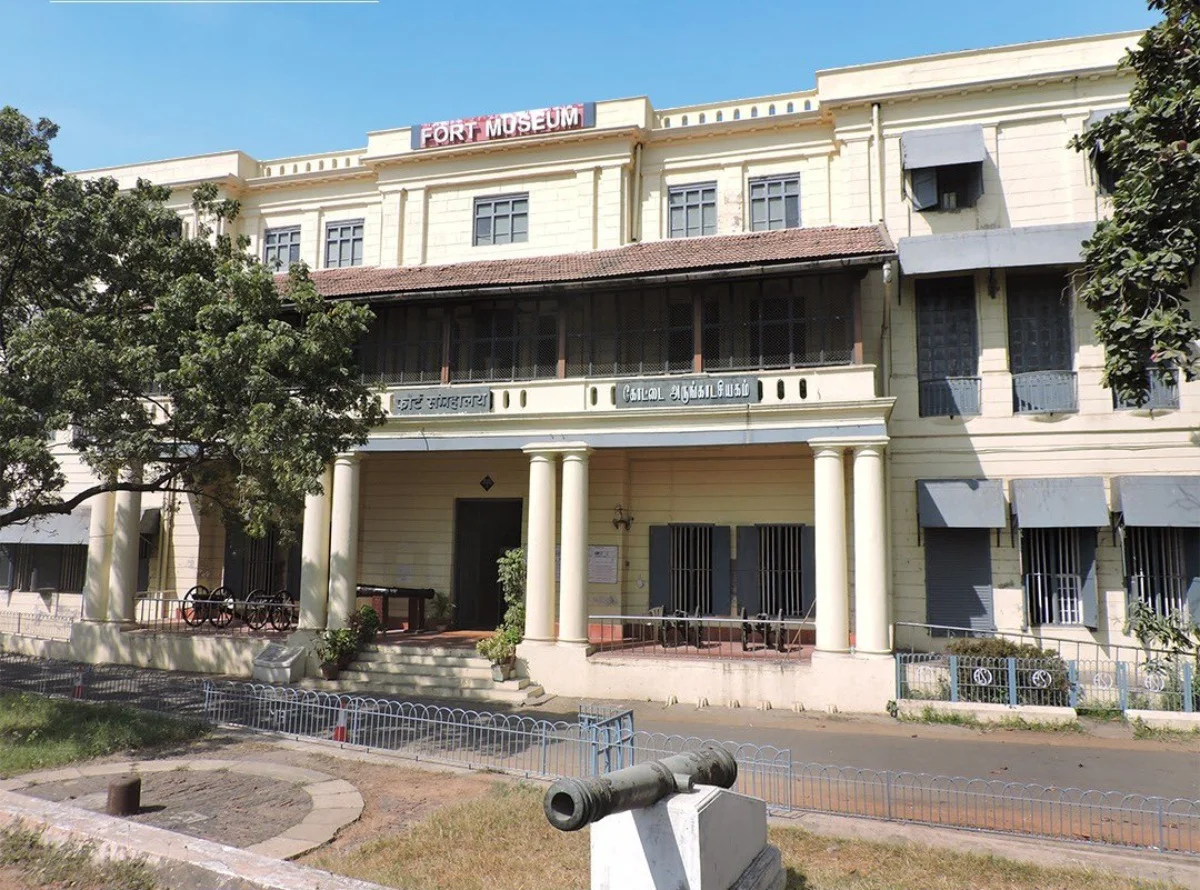
The area surrounding Chepauk also features several historical and cultural sites. The Fort St. George Museum, Santhome Basilica, and various colonial-era buildings offer glimpses into Chennai’s rich heritage. Cricket tourists visiting from abroad frequently appreciate how the stadium sits in the middle of a city blending history, spirituality, and modern energy.
Food lovers have plenty to enjoy around the stadium as well. Chennai’s culinary scene is legendary, and nearby restaurants serve everything from crispy dosas and spicy biryani to fresh seafood and filter coffee. During match days, local street vendors become part of the atmosphere, offering snacks like sundal, samosas, bajji, and chilled beverages to fans waiting outside.
The stadium itself now offers significantly improved facilities compared to earlier decades. Renovations introduced better seating arrangements, cleaner washrooms, food courts, upgraded security systems, and enhanced hospitality lounges. Corporate boxes provide premium viewing experiences, while general stands maintain the raw energy that defines Chepauk’s spirit. Accessibility features for differently-abled spectators have also improved in recent years, making the venue more inclusive.
For tourists, the combination of cricket, culture, food, and seaside atmosphere makes Chepauk one of India’s most complete sporting destinations. It is not just a stadium tucked away in isolation—it is woven into the heartbeat of Chennai itself.
Stadium Architecture and Seating Capacity
Modern Renovations and Design
Chepauk Stadium has always carried an old-world cricket charm, but modernization transformed it into a world-class sporting venue while preserving its emotional identity. The most significant redevelopment happened ahead of the 2011 ICC Cricket World Cup, when large portions of the stadium were rebuilt to meet international standards. These upgrades changed not only the appearance of the venue but also the entire spectator experience.
The new architectural design focused on visibility, safety, and comfort. One noticeable improvement was the installation of cantilever roofing systems. Unlike older structures filled with obstructive pillars, the modern design provides uninterrupted views of the field from almost every seat. Fans can now fully immerse themselves in the action without constantly shifting positions to avoid blocked sightlines.
The renovated stadium also introduced advanced floodlighting systems that dramatically improved night-match visibility. IPL games at Chepauk under lights feel cinematic, with the sea breeze mixing with roaring crowd noise and dazzling yellow colors in the stands. High-definition media facilities and upgraded broadcasting infrastructure also turned the venue into a modern television spectacle watched by millions globally.
Another major enhancement involved player facilities. Dressing rooms, practice areas, fitness zones, and recovery rooms were upgraded to international standards. Today’s athletes demand elite preparation environments, and Chepauk successfully evolved to match those expectations. Security systems also became much more sophisticated with advanced surveillance and crowd management technologies.
Despite these modern upgrades, Chepauk avoided becoming a soulless concrete structure. Many historic elements were preserved intentionally because fans value the stadium’s nostalgic atmosphere. The result is a rare balance between tradition and innovation. Walking into Chepauk today feels like stepping into a venue where cricket history and modern entertainment coexist beautifully.
Seating Arrangement and Fan Experience
Chepauk currently has an estimated seating capacity of around 38,000 spectators, though exact numbers may vary depending on temporary arrangements and event regulations. The seating layout is divided into multiple stands each carrying its own identity and atmosphere. Longtime Chennai fans often have favorite sections where generations of families have watched matches together for decades.
The lower-tier stands place spectators remarkably close to the playing field. This proximity creates an intense connection between players and fans. Cricketers frequently mention how clearly they can hear the crowd reactions at Chepauk compared to larger stadiums where spectators sit farther away. Every boundary, wicket, and close appeal produces a wave of noise that rolls across the ground like thunder.
Corporate hospitality boxes provide luxury viewing experiences with air-conditioned lounges, premium dining, and private seating areas. Yet many fans argue that the true Chepauk experience belongs in the general stands among the chanting supporters. The famous “Yellow Army” of Chennai Super Kings transforms the stadium into a sea of yellow jerseys during IPL matches. Flags wave constantly, drums beat rhythmically, and chants continue almost non-stop for hours.
Food and beverage options inside the stadium have improved significantly in recent years. Fans can access a variety of snacks, meals, and drinks without missing too much action. Digital ticketing systems and upgraded entry gates have also reduced waiting times, making crowd movement more efficient.
What truly separates Chepauk from many modern stadiums is the emotional atmosphere. Some venues feel commercial and mechanical, but Chepauk still feels deeply human. Elderly fans discussing spin tactics, children waving CSK banners, and entire families celebrating boundaries together create a sense of community rarely matched elsewhere. It is a place where cricket is not merely watched—it is collectively lived.
The Legendary Chepauk Pitch
Why Spinners Love Chepauk
The Chepauk pitch has earned legendary status in world cricket because of one defining trait—its love affair with spin bowling. For decades, batsmen arriving in Chennai knew they would face one of cricket’s toughest mental examinations. The dry climate, abrasive surface, and deteriorating pitch conditions often transform matches into survival contests against turning deliveries.
Spin bowlers thrive here because the surface gradually breaks down as matches progress. Tiny cracks develop under the scorching Chennai heat, causing the ball to grip, bounce unpredictably, and spin sharply. Watching elite spinners operate at Chepauk is like witnessing magicians performing illusions with a cricket ball. Every delivery carries uncertainty, and every mistake by a batsman can prove fatal.
Indian cricket legends such as Anil Kumble, Harbhajan Singh, and Ravichandran Ashwin have dominated opponents at this venue. Ashwin, a Chennai native, often appears almost spiritually connected to the conditions. His variations become even deadlier on Chepauk’s turning tracks, where subtle changes in speed and angle create enormous problems for visiting batsmen.
The pitch conditions also shape team selection strategies. Visiting teams frequently struggle to adjust because many international players grow up on pace-friendly surfaces. At Chepauk, footwork becomes critical. Batsmen who hesitate even slightly against spin usually find themselves trapped quickly. Captains often prioritize multiple spinners when preparing for matches in Chennai because the conditions reward patience and tactical intelligence.
Interestingly, Chepauk is not always an impossible batting surface. Skilled batsmen who adapt well can produce masterful innings here. The challenge lies in balancing aggression with survival. Playing spin at Chepauk resembles navigating a maze where one poor decision can end the journey instantly. That complexity is exactly why cricket purists adore matches played at this venue.
Memorable Pitch Performances
Over the years, Chepauk’s pitch has produced countless unforgettable performances that remain deeply etched in cricket history. One of the most iconic came during the famous India vs Australia tied Test in 1986. The surface created a dramatic balance between bat and ball, leading to one of the greatest finishes the sport has ever witnessed. Every session shifted momentum unpredictably, proving how influential the Chepauk wicket can become.
Another unforgettable chapter unfolded in 1999 when Sachin Tendulkar scored a heroic 136 against Pakistan while battling severe back pain. The pitch offered substantial turn, making batting extraordinarily difficult. Tendulkar’s innings remains one of the bravest displays of technical skill and mental toughness ever seen at the venue, even though India narrowly lost the match.
Spin-dominated performances have often stolen headlines at Chepauk. England’s touring sides have repeatedly struggled against Indian spinners here, while Sri Lankan legend Muttiah Muralitharan also enjoyed success on the turning surface. Ravichandran Ashwin’s performances at Chepauk continue to reinforce his reputation as one of the greatest modern spin bowlers.
In IPL cricket, the pitch has occasionally behaved differently depending on preparation methods. Earlier IPL seasons saw slower tracks that heavily favored spinners and strategic batting. Teams winning at Chepauk often succeeded through smart cricket rather than explosive power hitting alone. That tactical dimension made matches uniquely entertaining.
The unpredictability of the Chepauk surface adds another layer of drama to every game. Some days the pitch behaves calmly, allowing elegant stroke play. Other days it turns viciously by the third session, creating chaos for batsmen. Like the ocean near Marina Beach, the Chepauk pitch possesses moods of its own—and that mystery continues to fascinate cricket fans around the world.
Iconic International Matches at Chepauk
India vs Australia 1986 Tied Test
Few cricket matches in history carry the mythical status of the 1986 Tied Test between India and Australia at Chepauk Stadium. Even decades later, cricket fans still speak about it with awe, almost like an ancient sporting legend passed from one generation to another. Before this unforgettable clash, only one Test match in history had ever ended in a tie. Nobody expected Chepauk to become the stage for such extraordinary drama again.
The match itself unfolded like a perfectly written thriller. Australia, led by Allan Border, posted a massive first-innings score powered by Dean Jones’ heroic double century in brutal Chennai heat. Jones battled dehydration, exhaustion, and unbearable humidity to score 210 runs, an innings often considered one of the toughest in cricket history. Watching players struggle physically under Chennai’s oppressive weather conditions highlighted how demanding cricket at Chepauk could become.
India responded strongly with brilliant batting performances, keeping the contest balanced. As the match entered its final stages, tension gripped the entire stadium. Every run felt precious, every wicket seismic. Australia set India a target of 348 runs in the fourth innings, creating the perfect recipe for a dramatic finish. Indian batsmen fought courageously, but wickets continued falling under pressure.
The final moments became pure sporting theatre. India needed just a few runs with only one wicket remaining. Crowds stood frozen in nervous anticipation. Then came the decisive run-out that tied the match. Players from both teams looked stunned because they understood they had participated in something historic. The silence, disbelief, and eventual eruption from the crowd created one of cricket’s most unforgettable scenes.
This match permanently elevated Chepauk’s reputation worldwide. It demonstrated that cricket at this venue was never predictable. The stadium became associated with emotional intensity, tactical battles, and unforgettable finishes. Even today, highlights from the tied Test continue to inspire cricket lovers globally. The match proved that Chepauk was not simply a stadium—it was a stage where sporting history could suddenly come alive.
Sachin Tendulkar’s Historic Innings
Chepauk has witnessed countless great innings, but Sachin Tendulkar’s 136 against Pakistan in 1999 holds a uniquely emotional place in Indian cricket history. It was not merely a century; it was a masterpiece forged through pain, pressure, and almost impossible expectations. Many cricket experts still describe it as one of Tendulkar’s finest innings despite India ultimately losing the match.
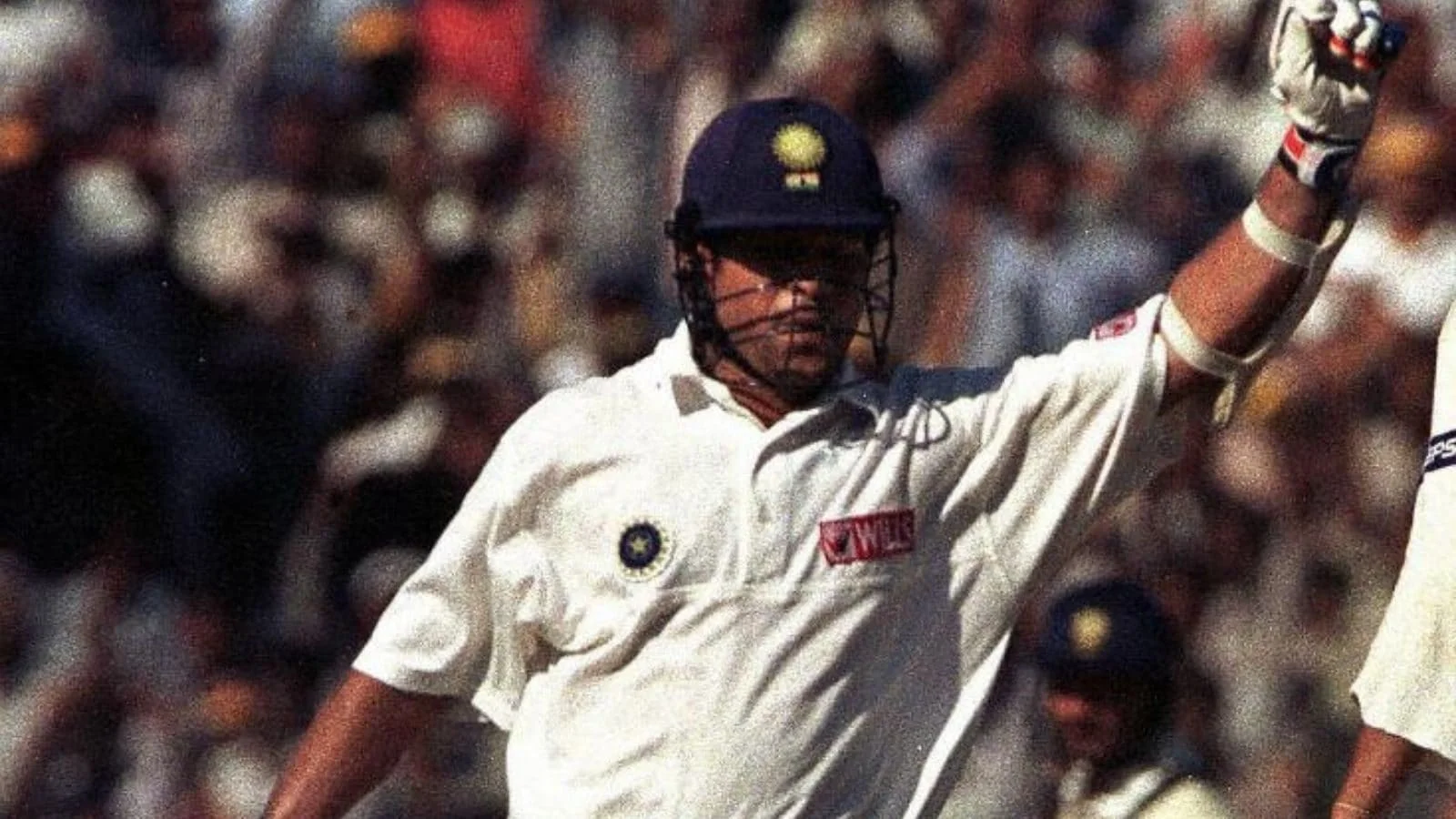
The atmosphere before the game was already emotionally charged because India-Pakistan matches carry enormous intensity. Every ball felt politically and emotionally significant for millions of fans watching worldwide. Pakistan’s bowling attack featured elite talents capable of exploiting Chepauk’s turning conditions brilliantly. Batting on that pitch required technical perfection and immense mental resilience.
Tendulkar walked into a tense situation with India chasing a difficult fourth-innings target. As wickets fell around him, the pressure became overwhelming. To make matters worse, he suffered severe back pain during the innings. Spectators could visibly see him struggling physically after almost every shot. Yet he continued fighting, crafting strokes with remarkable control against world-class spin and reverse swing bowling.
What made the innings extraordinary was its emotional depth. Tendulkar carried the hopes of an entire nation almost single-handedly. Every boundary brought deafening cheers from the crowd, while every defensive shot reflected survival against relentless pressure. His calculated aggression and calm composure transformed the innings into a lesson in determination.
When Tendulkar finally got out for 136, India’s hopes collapsed shortly afterward. Pakistan secured victory by just 12 runs. Despite the heartbreaking defeat, something remarkable happened at Chepauk. The Chennai crowd gave Pakistan a standing ovation for their performance. That sportsmanship became globally admired and perfectly represented the spirit of Chepauk cricket culture.
Tendulkar later admitted that the loss left him emotionally shattered because he had come so close to carrying India home. Yet the innings remains immortal because it captured the essence of cricket itself—skill, pain, drama, heartbreak, and respect all unfolding together on one unforgettable stage.
IPL and Chennai Super Kings Legacy
MS Dhoni and the Yellow Army
If Chepauk is a temple of cricket, then MS Dhoni is unquestionably one of its most worshipped icons. The connection between Dhoni, Chennai Super Kings (CSK), and Chepauk Stadium goes beyond ordinary sports fandom. It resembles a deep emotional bond built over years of trust, victories, loyalty, and unforgettable memories. Since the beginning of the IPL in 2008, CSK transformed Chepauk into one of the most feared home grounds in franchise cricket.
Dhoni’s calm leadership perfectly matched Chennai’s cricketing personality. While many teams chased glamour and aggression, CSK built a reputation around consistency, tactical intelligence, and emotional stability. Under Dhoni’s captaincy, Chepauk became a fortress where visiting teams often struggled under pressure from both the conditions and the crowd.
The “Yellow Army” is among the most passionate fan bases in global cricket. On match days, the stadium becomes a sea of yellow jerseys, flags, painted faces, and roaring chants. Fans begin gathering outside hours before gates open, creating festival-like scenes across surrounding streets. The energy inside the stadium during a close CSK chase feels almost volcanic. Every Dhoni boundary generates noise levels that can physically shake the stands.
What makes this relationship special is its emotional authenticity. Chennai fans remained loyal even during difficult phases, including the franchise’s two-year suspension from the IPL. When CSK returned in 2018 and won the championship immediately, celebrations across Chennai resembled a citywide carnival. That triumph reinforced the unbreakable connection between the team and its supporters.
Dhoni’s presence at Chepauk carries almost mythical significance now. Even opposition fans often cheer when he walks onto the field because of the respect he commands worldwide. His finishing ability, tactical genius, and calm personality made him the heartbeat of CSK’s identity. At Chepauk, Dhoni is more than a cricketer—he is part of the stadium’s living history.
Chepauk’s IPL Atmosphere
The IPL transformed many cricket stadiums into entertainment arenas, but Chepauk managed to create an atmosphere that still feels deeply connected to cricket tradition. Unlike some venues focused entirely on spectacle, Chepauk balances modern excitement with genuine cricket passion. Watching an IPL match here feels like attending both a sporting contest and a cultural celebration.
As sunset approaches before night matches, the stadium slowly changes character. Floodlights illuminate the field while music, drumbeats, and crowd chants begin building anticipation. By the time players walk out, the noise becomes overwhelming. The synchronized chants of “Dhoni! Dhoni!” rolling across packed stands create goosebumps even for neutral spectators.
The atmosphere becomes especially intense during close finishes. Chepauk crowds are emotionally invested in every ball. A single wicket can trigger explosive celebrations, while a six from Dhoni can produce noise levels comparable to a rock concert. Yet beneath all the excitement lies deep cricket understanding. Fans appreciate tactical bowling changes, clever field placements, and intelligent batting strategies.
Chepauk’s slower pitches also influence IPL cricket uniquely. Unlike smaller batting paradises where scores regularly exceed 220, matches here often involve strategic planning and spin-heavy tactics. Teams must think carefully rather than simply relying on brute power. This creates more balanced and intellectually engaging contests for cricket lovers.
Several IPL stars have described Chepauk as one of the toughest away venues because of the crowd intensity and pitch behavior. Former players often compare the atmosphere to famous football stadiums in Europe or South America where fan energy directly influences momentum. The emotional force generated inside Chepauk during IPL games is almost tangible.
For many cricket fans, experiencing an IPL match at Chepauk sits high on their bucket list. It is not merely about watching cricket—it is about feeling part of a giant emotional wave shared by tens of thousands of passionate supporters united through sport.
Fan Culture and Crowd Energy
The Famous Knowledgeable Chennai Crowd
Among cricket circles worldwide, the Chepauk crowd enjoys a unique reputation for being one of the most knowledgeable and respectful audiences in the sport. Players from different countries often praise Chennai fans because they appreciate quality cricket regardless of nationality. That level of sporting intelligence has become a defining characteristic of the stadium.
Unlike crowds focused only on entertainment or aggressive rivalry, Chepauk spectators deeply understand cricket’s technical aspects. They celebrate clever spin bowling, patient defensive batting, and strategic captaincy decisions. A well-executed cover drive from an opposition player can receive genuine applause here. This culture creates an atmosphere where cricket itself becomes more important than blind nationalism.
The standing ovation for Pakistan after defeating India in 1999 remains one of the strongest examples of Chennai’s sporting spirit. In a rivalry usually filled with intense emotions, the crowd chose to appreciate excellence rather than react with hostility. That gesture earned international admiration and reinforced Chepauk’s image as a venue where respect for the game comes first.
Chepauk crowds also possess extraordinary emotional energy. During IPL matches, chants echo continuously through the stands. Fans sing, dance, wave flags, and celebrate every moment collectively. Yet despite the intensity, the environment generally remains welcoming and family-friendly. Elderly cricket lovers, young children, college students, and lifelong fans all blend together seamlessly.
Social media has amplified Chepauk’s fan culture globally. Videos of crowd reactions regularly go viral, especially when Dhoni enters the field. The sheer volume of noise during those moments often surprises viewers worldwide. Some commentators jokingly compare Dhoni’s arrival at Chepauk to a movie superstar appearing before devoted fans.
The intelligence of Chennai supporters also influences how players perform. Visiting cricketers understand they must earn respect through skill and effort because superficial theatrics rarely impress this audience. That cricketing sophistication gives Chepauk a personality distinct from almost every other stadium in the world.
Highest Scores and Bowling Records
Chepauk Stadium has hosted cricket across multiple eras, formats, and generations, making its statistical history incredibly rich. From monumental batting performances to devastating bowling spells, the ground has consistently produced numbers that reflect both brilliance and endurance. Because the stadium often favors spin bowlers and tests players physically under Chennai’s humid climate, achievements here usually carry extra respect within cricket circles.
One of the most famous batting performances at Chepauk remains Virender Sehwag’s explosive 319 against South Africa in 2008. His triple century transformed traditional Test batting into a fearless display of controlled aggression. On a surface where patience is usually considered essential, Sehwag attacked world-class bowlers with astonishing confidence. The innings became even more iconic because he reached 300 with a six, perfectly capturing his fearless personality. That knock still stands among the greatest innings played at the venue.
In Test cricket, Chepauk has witnessed numerous centuries from Indian legends including Sachin Tendulkar, Rahul Dravid, Sunil Gavaskar, and Gundappa Viswanath. Tendulkar became the first player to score centuries in five consecutive Test matches at the venue, reinforcing his deep connection with Chennai crowds. His ability to handle spin and pressure made him exceptionally successful on this ground.
Bowling records at Chepauk are equally fascinating because the surface traditionally rewards intelligent spin bowling. Anil Kumble, Harbhajan Singh, and Ravichandran Ashwin produced many memorable spells here. Ashwin, being a local hero, has repeatedly dominated visiting batting lineups with his variations and tactical brilliance. His understanding of the pitch conditions often allows him to exploit tiny weaknesses invisible to others.
Statistics alone never fully capture the emotional drama of cricket at Chepauk. Many records here emerged during high-pressure situations where weather, crowd intensity, and pitch behavior created unique challenges. Performing successfully in Chennai often requires not just technical skill, but immense concentration and physical resilience.
The venue also carries a reputation for producing balanced contests. While spin bowlers usually dominate later stages, batsmen who adapt intelligently can score heavily. This balance between opportunity and danger keeps Chepauk statistically fascinating across all formats of the game.
Future of Chepauk Stadium
Upcoming Developments and Technology
Despite being over a century old, Chepauk Stadium continues evolving with modern cricket demands. The future of the venue focuses on balancing technological innovation with preservation of its historical identity. Stadium authorities understand that fans expect world-class facilities today, but they also recognize that Chepauk’s emotional charm must never disappear beneath excessive commercialization.
One major area of focus is improving spectator comfort. Authorities continue upgrading seating quality, restroom facilities, crowd movement systems, and digital ticketing experiences. With cricket crowds growing larger every year, efficient entry and exit management has become essential. New security technologies, including facial recognition systems and advanced surveillance, may play bigger roles in future operations to ensure fan safety during high-profile matches.
Sustainability is another important priority. Chennai’s climate and occasional water shortages have encouraged discussions about environmentally responsible stadium management. Rainwater harvesting systems, energy-efficient lighting, and improved waste management practices are increasingly important for long-term operations. Modern stadiums worldwide are moving toward greener infrastructure, and Chepauk is expected to follow similar trends while adapting to local environmental realities.
Broadcast technology continues transforming how fans experience cricket globally. Chepauk’s future likely includes even more advanced camera systems, ultra-high-definition broadcasting capabilities, immersive digital screens, and enhanced fan interaction technologies inside the stadium. Augmented reality experiences and app-based services may eventually allow spectators to access real-time statistics, replays, and player insights directly from their mobile devices while sitting in the stands.
The stadium may also expand its role beyond cricket. Modern sports venues increasingly host concerts, cultural events, and entertainment programs to maximize infrastructure usage year-round. Yet cricket will always remain the soul of Chepauk. The challenge lies in modernizing without losing the deeply emotional atmosphere that defines the venue.
There is also growing excitement around preserving Chepauk’s historical legacy more formally. Cricket museums, interactive exhibits, and dedicated heritage sections could become important additions in the future. Imagine walking through galleries showcasing Dhoni’s iconic moments, Tendulkar’s historic innings, and memorabilia from the legendary tied Test of 1986. Such developments would strengthen the stadium’s identity as both a sporting venue and a living museum of Indian cricket history.
Young fans entering Chepauk today experience a far more modern stadium than previous generations did, yet the emotional heartbeat remains unchanged. The chants, the anticipation, the roar after a wicket, and the collective tension during close finishes still feel timeless. That continuity is what makes Chepauk truly special.
Conclusion
Chepauk Stadium stands as far more than a cricket ground—it represents history, emotion, resilience, and the enduring spirit of Indian cricket. For more than a century, this iconic venue has witnessed unforgettable sporting moments that shaped generations of fans. From the historic tied Test of 1986 to MS Dhoni’s IPL heroics, Chepauk has repeatedly proven its ability to produce drama that transcends sport itself.
The stadium’s uniqueness comes from its remarkable balance between tradition and evolution. It embraces modern technology and infrastructure while preserving the intimate cricket culture that made it legendary. The spin-friendly pitch, passionate Chennai crowd, and emotional atmosphere combine to create an experience unlike any other stadium in the world.
Chepauk also symbolizes cricket intelligence and sportsmanship. Fans here appreciate skill, courage, and tactical excellence regardless of team loyalties. That respect for the game’s deeper beauty gives the venue a distinct identity admired globally. Whether watching a tense Test match session or an electrifying IPL chase, spectators at Chepauk become part of a living cricket tradition stretching across generations.
For cricket lovers, visiting Chepauk is not simply attending a sporting event. It feels like stepping into a sacred chapter of cricket history where every stand, every roar, and every delivery carries echoes of legendary moments from the past. As Indian cricket continues evolving, Chepauk will undoubtedly remain one of its most treasured homes.
Written by