
Roller Derby Raises Tough Questions on Trans Inclusion in Sports Ahead of International Showdown
Roller derby athletes competing at the World Skate event in Rome June 2026.
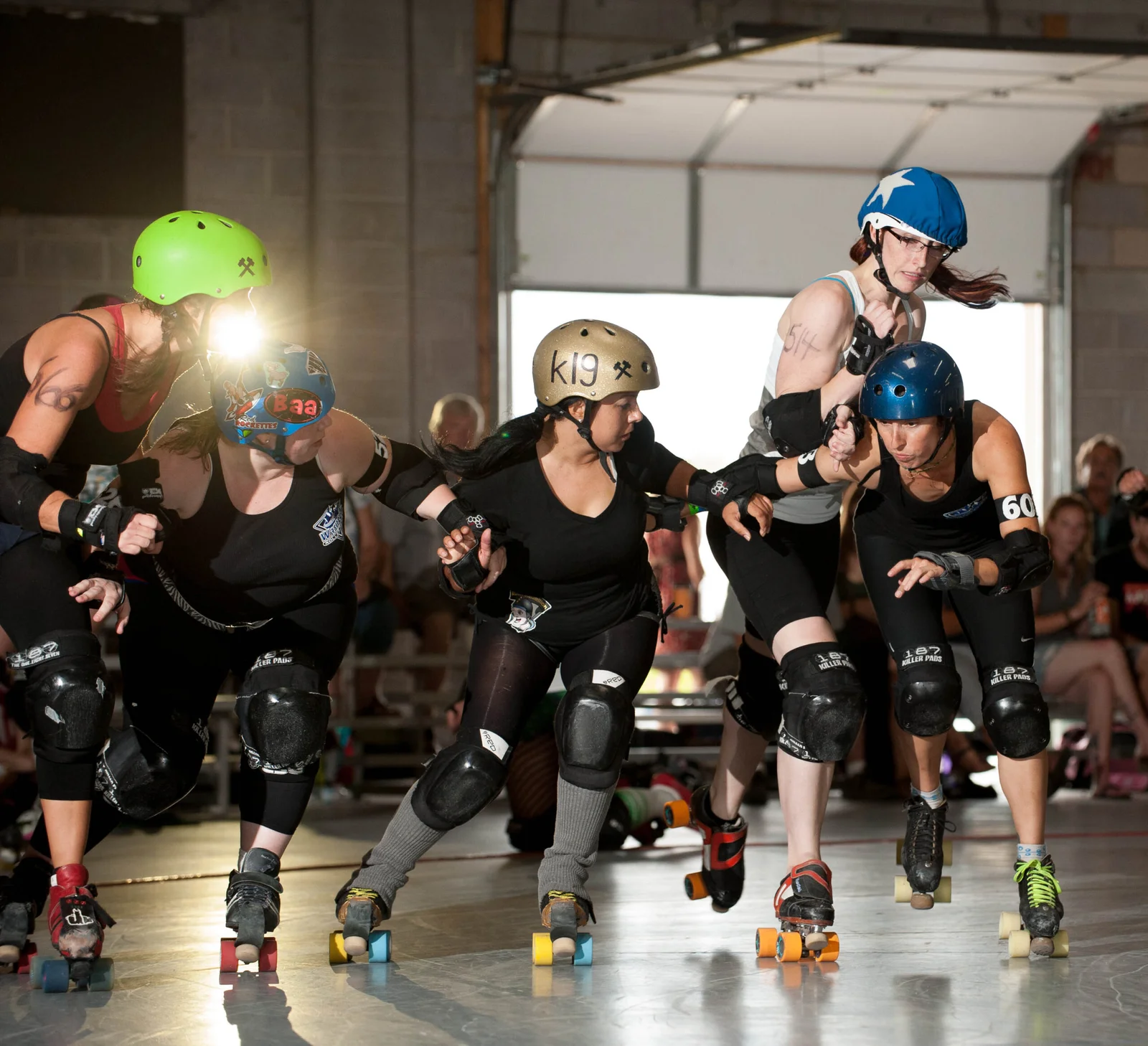
Rome has a World Skate roller derby competition running from June 7 to June 14, 2026, and teams from different countries are arriving in the Italian capital to compete at one of the bigger events on the international roller derby calendar this season, but the conversation that has been building around this sport for months now is about something much larger than any single result on the track.
Meanwhile Roller derby grew back from almost nothing in the early 2000s as a grassroots sport built by women who wanted a space that belonged to them, and the Women's Flat Track Derby Association came out of that movement with a founding belief that anyone identifying as a woman or marginalised gender was welcome to compete, which made roller derby one of the very few sports on earth that had actually written inclusion into its rules from the beginning rather than debating it decades later.
That founding belief has been tested hard in 2026, because the wave of anti-trans executive orders signed in the United States earlier now this year put enormous pressure on sporting organisations which is operating there, and the WFTDA (Women's Flat Track Derby Association) responded by taking the decision to move its 2026 global championship out of the United States entirely and relocating it to Sweden, which was a significant and deliberate choice that the organisation made to protect its athletes rather than stay quiet and hope the politics blew over.
As a result, every sport governing body is being asked right now to decide where it stands on trans athlete inclusion, and roller derby's position is already on record through both its founding rules and its championship relocation, making the Rome competition a moment where the sport arrives on the international stage carrying that history and that reputation alongside it.
Sportscape feels that the most sports organisations have spent the last two years carefully avoiding taking any clear position on trans inclusion because the politics around it are complicated and the backlash from either direction is guaranteed, and roller derby moving its world championship to another continent to stand by its athletes is the kind of decision that cuts through all of that noise, and whether the Rome event draws the wider attention the moment deserves or not, the sport has already shown through its actions exactly what it values and who it is built for.
Written by