
Lakshya Sen leads 26-member India squad at Malaysia Masters 2026 badminton tournament
Olympic semi-finalist Lakshya Sen headlines India's 26-member badminton squad at the Malaysia Masters 2026, which began at Stadium Axiata Arena in Kuala Lumpur on Tuesday.
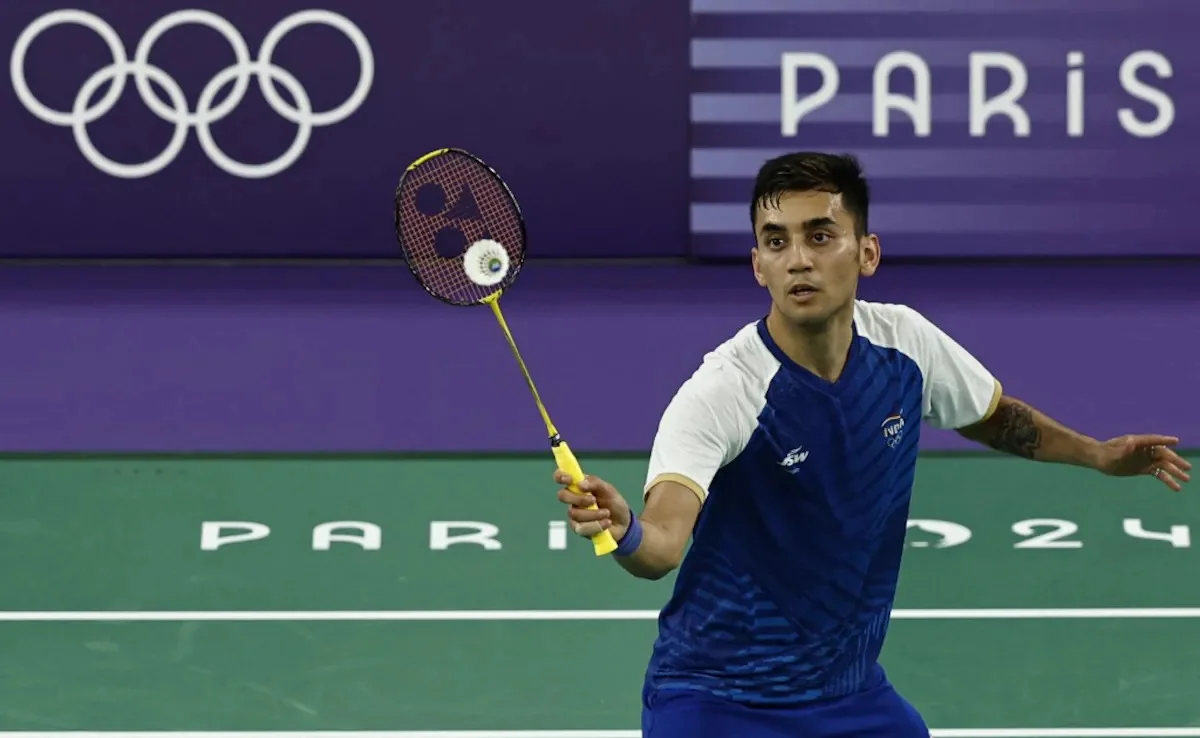
Olympic semi-finalist Lakshya Sen headlines India's 26-member badminton squad at the Malaysia Masters 2026, which began at Stadium Axiata Arena in Kuala Lumpur on Tuesday.
Sen arrives as the eighth seed in the men's singles draw, carrying significant expectations after his consistent performances over recent years. The Paris 2024 Olympic semi-finalist represents India's strongest medal prospect in the individual categories, with the tournament organizers positioning him among the top contenders for the title.
While no direct quotes from Sen or team officials were available regarding their tournament strategy, the Indian contingent's composition reflects a clear emphasis on developing younger talent alongside established performers. The squad selection indicates a transitional phase for Indian badminton, with veteran players stepping back to allow emerging stars greater exposure at international level.
The men's singles category features considerable depth beyond Sen, with HS Prannoy bringing valuable experience as the 2023 Malaysia Masters champion. Prannoy's previous success at this venue provides India with tactical knowledge of the playing conditions and tournament dynamics. Joining them in the main draw are rising stars Kiran George and Tharun Mannepalli, both seeking to establish themselves on the international circuit. S Sankar Muthusamy Subramanian will begin his campaign through the qualifying rounds, representing the next tier of Indian talent pushing for breakthrough performances.
The doubles categories present a mixed picture for Indian prospects, with notable absences affecting team strength. Satwiksairaj Rankireddy and Chirag Shetty, who reached the Thailand Open final just last week, have opted to skip this tournament, leaving MR Arjun and Hariharan Amsakarunan as India's sole representatives in men's doubles. This decision likely reflects strategic rest and preparation for upcoming major tournaments, though it reduces India's medal chances in what has traditionally been a strong category. The women's doubles features two pairs: Rutaparna Panda and Swetaparna Panda, alongside Ashwini Bhat K and Shikha Gautam. Mixed doubles representation includes three pairs, with Ashith Surya and Amrutha Pramuthesh leading the charge, supported by Rohan Kapoor and Ruthvika Shivani Gadde, plus Sathwik Reddy Kanapuram and Radhika Sharma competing through qualifying rounds.
PV Sindhu's withdrawal from the tournament marks a significant development, removing one of India's most decorated players from competition. The two-time Malaysia Masters champion, who claimed titles in 2013 and 2016, was originally listed among entrants but pulled out for undisclosed reasons. Her absence creates opportunities for India's next generation of women's singles players to assume greater responsibility and gain valuable tournament experience. Unnati Hooda emerges as the primary hope, seeded sixth and carrying expectations as the highest-ranked Indian in the women's draw. The 17-year-old has shown remarkable progress in recent months and represents the future of Indian women's badminton. Supporting her is a substantial group including Malvika Bansod, Anmol Kharb, Devika Sihag, Tanvi Sharma, Isharani Baruah, and Rakshitha Ramraj, with additional players Tanya Hemnath and Aakashi Kashyap entering through qualifying rounds.
Viewing arrangements for Indian fans reflect the tournament's broadcast structure, with no television coverage available domestically. Supporters can access live streaming through BWF TV, the official YouTube channel of the Badminton World Federation, and Jio Hotstar. This digital-first approach aligns with broader trends in sports broadcasting, though it may limit audience reach compared to traditional television coverage. The streaming platforms will provide comprehensive coverage of matches featuring Indian players, ensuring fans can follow their favorites throughout the tournament.
The Malaysia Masters represents a crucial testing ground for Indian badminton's emerging talents, particularly in the absence of some established stars. The tournament's timing allows younger players to gain experience in high-pressure situations while competing against international opposition. Success here could provide momentum heading into future major competitions, while disappointing results might prompt reassessment of development strategies. The venue itself, Stadium Axiata Arena, offers world-class facilities and has hosted numerous prestigious badminton events, providing an ideal environment for players to showcase their abilities.
Sportscape observes that India's squad composition reflects a deliberate transition toward youth development, with established players like Sindhu stepping back to allow emerging talents greater exposure. This strategic approach, while potentially sacrificing immediate results, positions Indian badminton for sustained success in future Olympic cycles and major championships.
Written by