
Namibia Announces 28 Sports Facilities Nationwide Covering All 14 Regions Of The Country
Namibia has unveiled an ambitious plan to build 28 sports facilities across all 14 of its regions, marking one of the country’s most expansive grassroots infrastructure drives.
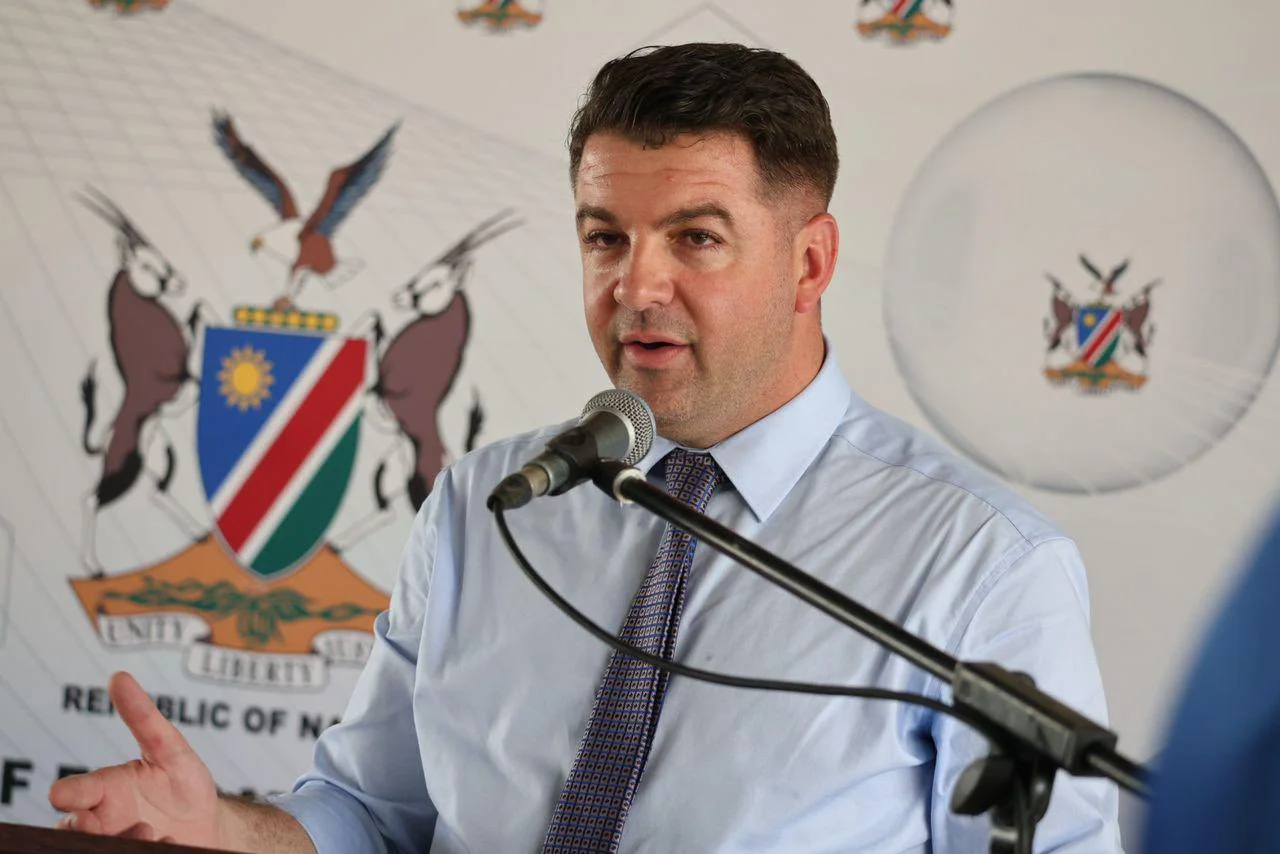
When two-thirds of the country's population is below 35, the obvious trend is the development strategies revolving around youth-centric initiatives. Namibia is a very apt evidential example of this deduction, as youth-centric infrastructure is an economic imperative in the country in contrast to a social imperative. Against this backdrop, sports is emerging as a major infrastructural development tool instead of recreation. The government has therefore rolled out a 28-facility infrastructural haul covering all 14 regions of the country.
The Ministry of Education, Innovation, Youth, Sports, Art, and Culture (MEIYSAC) of Namibia has operationalized 28 basic constituency sports infrastructure facilities across the country, announced by the Deputy Minister Dino Balloti, who declared the initiative as a governance strive for equitable access to quality sports centers nationwide.
Country-wide infrastructural sweep
The scale of the structural intervention makes it one of the state’s most geographically expansive grassroots-level development projects, covering all 14 regions. It includes all 28 constituencies, with each getting a sports center to itself being supervised under the Office of regional governors.
Policy at the center, power to the regions
The republican president of Namibia has opted for a two-tiered execution model for the project, with the implementation authority in the local hands while the policy oversight stays with the ministry. The regional heads shall be allotted N$10 million each for the approved financial control.
“Regions have been advised to allocate funds equitably between the two identified constituency sites per region, with flexibility permitted where justified by technical and site-specific requirements. Importantly, regions are legally empowered to proceed with procurement in accordance with the Public Procurement Act, 2015,” the Minister added.
The vision behind the drive is to decentralize public services equitably across all regions to identify youth potential and support them with quality training.
Written by