
Dark Clouds Over MI vs RR Clash Bring Focus on Need for Resilient Sports Infrastructure
Heavy rain is threatening the IPL 2026 match between Mumbai Indians and Rajasthan Royals at the ACA Stadium in Barsapara, Guwahati.
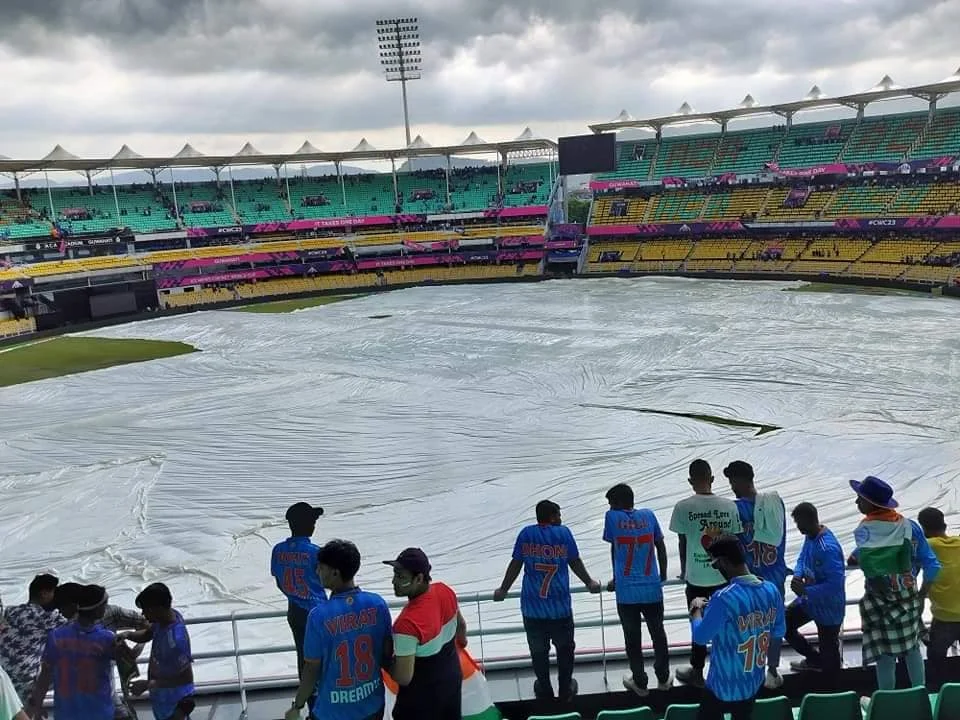
Heavy rain is threatening the IPL 2026 match between Mumbai Indians and Rajasthan Royals at the ACA Stadium in Barsapara, Guwahati. Weather reports from the ground indicate deteriorating conditions just hours before the scheduled start. Correspondent Pranay Rajiv reported at 4:40 pm that rain was pelting down just ten minutes away from the stadium.
Mumbai Indians enters this fixture looking to bounce back after what the original coverage suggests has been a challenging start to their campaign. The five-time champions will face an unbeaten Rajasthan Royals side that has maintained a perfect record in the early stages of IPL 2026.
Guwahati's ACA Stadium has become an important venue for IPL matches, bringing top-tier cricket to India's northeast region. The stadium has previously hosted memorable encounters, but weather remains a persistent challenge during this time of year in Assam.
Rain To Play Spoilsport In RR vs MI Clash In Guwahati? What Weather Report Says#IPL2026 #RRvsMI #Guwahati #CricketRain #IPLUpdates #RainStopsPlay #RajasthanRoyals #MumbaiIndians #BarsaparaStadium #CricketNews #T20Cricket #WeatherUpdate pic.twitter.com/dRvmVY86Vj
— googlymediatv (@googlymediatv) April 7, 2026
Weather resilient sports infrastructure is the need of the hour
Rain delays and interruptions have become increasingly common concerns for IPL organizers, particularly as the tournament expands to new venues across India. The Duckworth-Lewis-Stern method often comes into play when weather disrupts matches, potentially altering team strategies and outcomes. The weather situation in Guwahati reflects broader challenges facing cricket scheduling during monsoon-adjacent periods. Tournament organizers must balance venue diversity with weather reliability, often accepting some risk to bring cricket to underserved markets.
Earlier coverage indicated there was "a whiff of rain around in the city" when live coverage began, suggesting conditions had been marginal throughout the day. The deterioration to heavy rainfall represents the worst-case scenario for match officials and fans alike. Both teams will have contingency plans for various match scenarios, from full contests to significantly reduced overs. The DLS system, while mathematically sound, can dramatically alter game dynamics and required run rates.
The final decision on match status will depend on ground conditions, drainage capabilities, and safety assessments by match officials. Updates from Guwahati will determine whether fans witness cricket or face disappointment from weather's intervention.
Written by