
PV Sindhu’s ‘Temple’ Device at Uber Cup Sparks Global Buzz Around Wearable Technology
PV Sindhu’s use of the Temple wearable technology during the Uber Cup has triggered global interest in athlete recovery and performance tech.
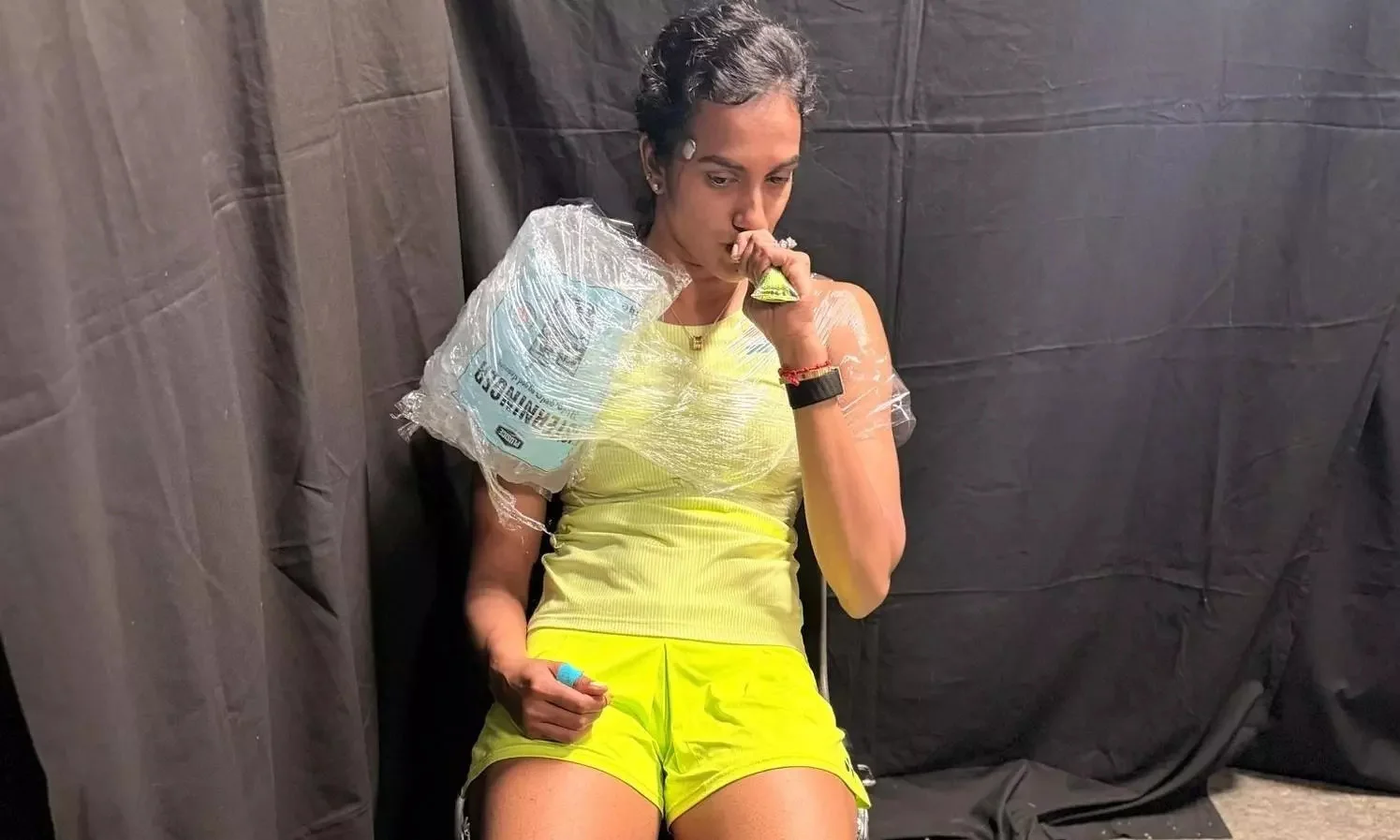
PV Sindhu drew major global attention during the Uber Cupafter appearing on court with a small device attached to the side of her forehead, sparking widespread curiosity among badminton fans and sports science experts. The device, known as “Temple,” is a wearable technology product designed to help athletes improve focus, recovery, and nervous system regulation through neurostimulation techniques. Its appearance during a high profile international competition instantly turned it into one of the biggest talking points of the tournament.
The Temple wearable technology system uses gentle electrical stimulation around the trigeminal nerve region to help regulate stress responses, improve mental clarity, and support recovery management. According to sports technology experts, the device is increasingly being explored by elite athletes across multiple disciplines as teams search for marginal performance gains through neuroscience driven training and recovery tools.
PV Sindhu was seen using the wearable during India’s Uber Cup campaign, where players faced intense scheduling, travel fatigue, and physically demanding matches. While the Indian badminton star has not publicly detailed her personal usage routine, analysts believe the adoption of wearable technology reflects the growing integration of sports science within elite badminton training programmes. Recovery optimisation and mental conditioning have become major priorities for top international players due to the increasingly demanding global calendar.
The Uber Cup itself has evolved into one of badminton’s most physically and mentally challenging international tournaments, with athletes often playing multiple high intensity matches across short timeframes. Sports physiologists note that wearable technology solutions are now being actively tested to manage fatigue, sleep recovery, concentration levels, and stress regulation during tournaments.
The rise of neuroscience based wearable technology has accelerated rapidly across global sport over the last few years. Elite football clubs, Formula One teams, Olympic federations, and combat sport athletes have increasingly invested in biometric monitoring systems and cognitive performance devices aimed at improving both recovery and competitive consistency. The sports technology industry is projected to become one of the fastest growing sectors within the global sports economy over the next decade.
Industry observers believe PV Sindhu’s visible use of the Temple device during the Uber Cup may significantly increase public awareness around athlete recovery technologies, particularly in India where sports science adoption is expanding rapidly across cricket, badminton, athletics, and Olympic sports. The Indian sports ecosystem has seen increasing investment in biomechanics, physiotherapy, data analytics, and performance monitoring systems following India’s recent international successes.
Medical experts have also highlighted that while wearable technology offers promising performance support opportunities, scientific validation and athlete-specific customisation remain important factors. Many performance devices are still undergoing broader research regarding long term effectiveness and neurological response consistency among elite athletes.
The growing visibility of wearable technology within tournaments like the Uber Cup also reflects a wider transformation in modern sport where athlete preparation now extends far beyond traditional physical training. Mental recovery, cognitive sharpness, sleep optimisation, and stress regulation are increasingly viewed as critical competitive advantages at the elite level.
Sportscape feels that PV Sindhu’s use of the Temple device during the Uber Cup signals how wearable technology is becoming an increasingly important component of modern athlete preparation, especially in high intensity international tournaments.
Sportscape feels thatthe future of elite sport could be heavily shaped by neuroscience driven wearable technology as athletes and teams continue searching for performance advantages through recovery optimisation and cognitive conditioning systems.
Written by