
Washington Football Program Rebuilds After Championship Game Exodus
Washington's football program has undergone a complete transformation since their national championship game appearance, with only nine players remaining from the 119-man roster that faced Michigan 28 months ago in Houston.
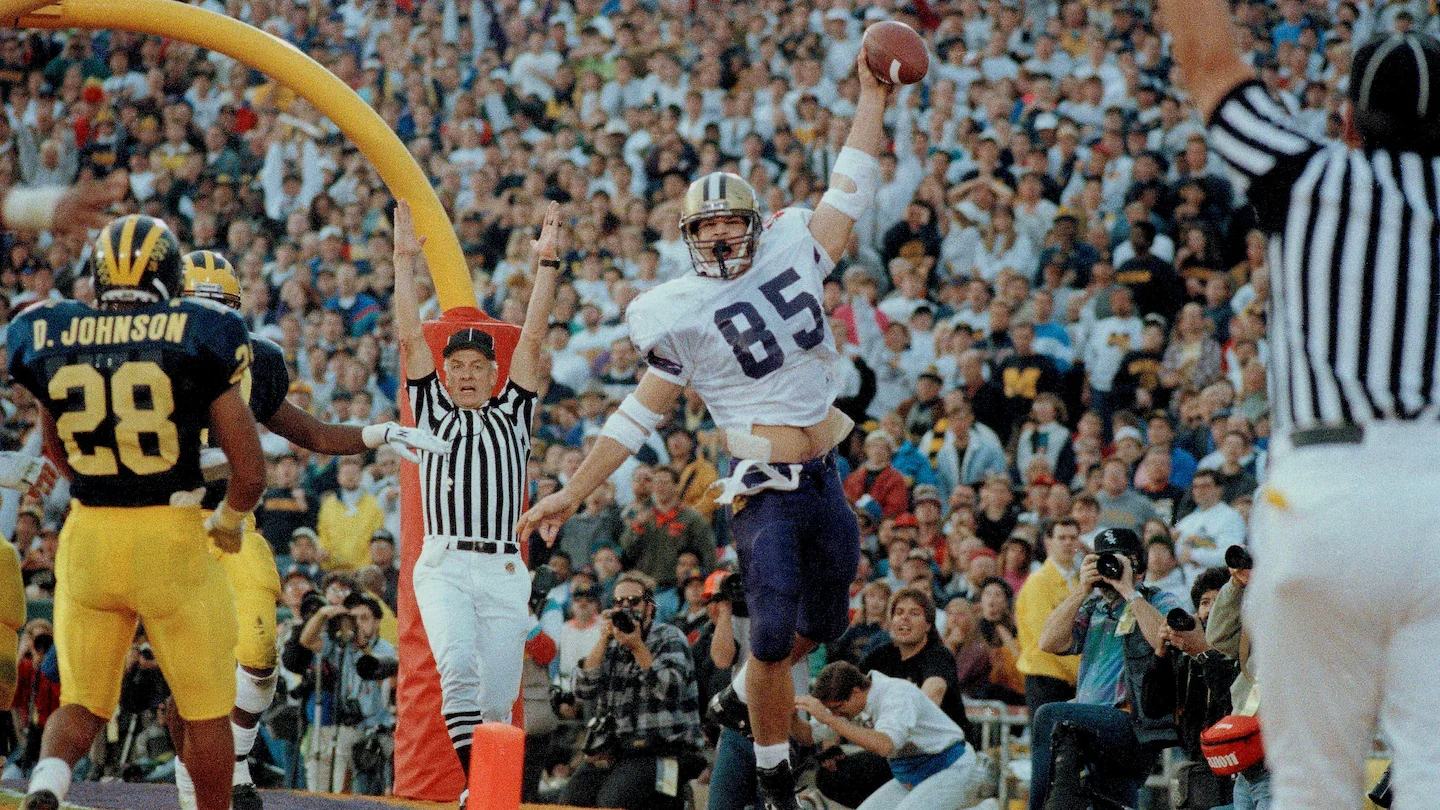
Washington's football programhas undergone a complete transformation since their national championship game appearance, with only nine players remaining from the 119-man roster that faced Michigan 28 months ago in Houston.
The Huskies lost that title game 34-13 to the Wolverines, capping a remarkable 14-1 season under then-coach Kalen DeBoer. DeBoer has since departed for Alabama, with Jedd Fisch taking over the program amid wholesale roster changes that exemplify the current state of college football.
"If anything, this has taught people in Montlake to live for the moment," according to longtime college football observer Dan Raley, who noted how the title game appearance briefly suggested the Huskies had established themselves as regular contenders before reality set in.
The dramatic roster turnover reflects broader changes across college football, where the College Football Playoff has expanded from four teams to 12 qualifiers, with debates ongoing about further expansion to 16 or even 24 teams. Traditional rivalries like Notre Dame versus USC face uncertain futures as conferences realign and priorities shift. The sport's landscape has become increasingly fluid, with player transfers and coaching changes creating constant roster churn that makes sustained success more challenging than ever.
Of the nine remaining players from that championship game roster, only offensive guard Geirean Hatchett and edge rusher Jacob Lane actually played in the title game against Michigan, both appearing as reserves. The other survivors include walk-on offensive guard Aidan Anderson, walk-on center Parker Cross, defensive tackle Elinneus Davis, offensive tackle Soane Faasolo, center Landen Hatchett, offensive tackle Elishah Jackett, and wide receiver Rashid Williams. Landen Hatchett was sidelined for the championship game after suffering a knee injury in practice and undergoing surgery before the CFP semifinal against Texas. Several players like Davis, Faasolo, and Jackett were true freshmen who didn't see game action during the 2023 regular season, while Williams appeared in just one game. Since then, Davis has developed into a full-time starter, and Williams emerged from spring practice as a prospective starter after opening several games. Jackett continues working toward his first game appearance, struggling to add the necessary weight for his fourth season. Among the walk-ons, Cross gained his only game experience in last December's LA Bowl, while Anderson has yet to see game action.
The program has technically retained 10 players from that championship game era by adding edge rusher Hayden Moore as a transfer from Michigan, creating an ironic connection to their title game opponents. However, this small group represents a fraction of what most programs would expect to retain from such a successful season. The complete coaching staff overhaul under Fisch brought new systems, different philosophies, and a fresh playbook that required players to adapt or transfer elsewhere. This pattern has become increasingly common across college football, where portal entries and coaching changes create annual roster reconstructions that would have been unthinkable in previous decades. Programs that reach championship games now face the challenge of maintaining continuity while managing the inevitable exodus of players seeking new opportunities or following departed coaches to other programs.
Sportscape observesthat Washington's near-complete roster transformation illustrates how fleeting success has become in modern college football. The sport's structural changes have made sustained excellence more difficult, turning championship runs into isolated achievements rather than foundations for dynasty building.
Written by